A Cultural Problem within the STUDENT VOLUNTEERING Stronghold
A Cultural Problem within the STUDENT VOLUNTEERING Stronghold
Both the soul and the business model of Studentsamfunnet i Ås are built on the same foundation – volunteering. But when2026 began, without Aud.Max., and with a different use of rooms in the building, new challenges emerged for the Boardof Samfunnet regarding the organization of parties.
Jounalist: Henrik Bakken
Photographer: Eline Marie Alm
Translator: Ida Jystad
The Value of Ås’ Most Important Currency in Free Fall
The marketing of both NMBU and Studentsamfunnet i Ås often strongly highlights the spirit of volunteerism that exists here in Ås. Being a member of Studentsamfunnet i Ås means attending the mandatory community serviceshifts, and membership also provides several benefits. Recently, however, this has proven insufficient for several of Samfunnet’s members. At the start of the year, Samfunnet faced increasing challenges related to attendance at community service shifts. Bodega Chief Snorre Langeland Moberg elaborates on the issue in conversation with Tuntréet, explaining that they were not prepared for the large number of no-shows that occurred in January. He reports that across six shifts in January, a total of 61 people failed to show up, and at Afterski only 25 of the 43 people called in actually attended.
Consequences for Thorvald and Thora
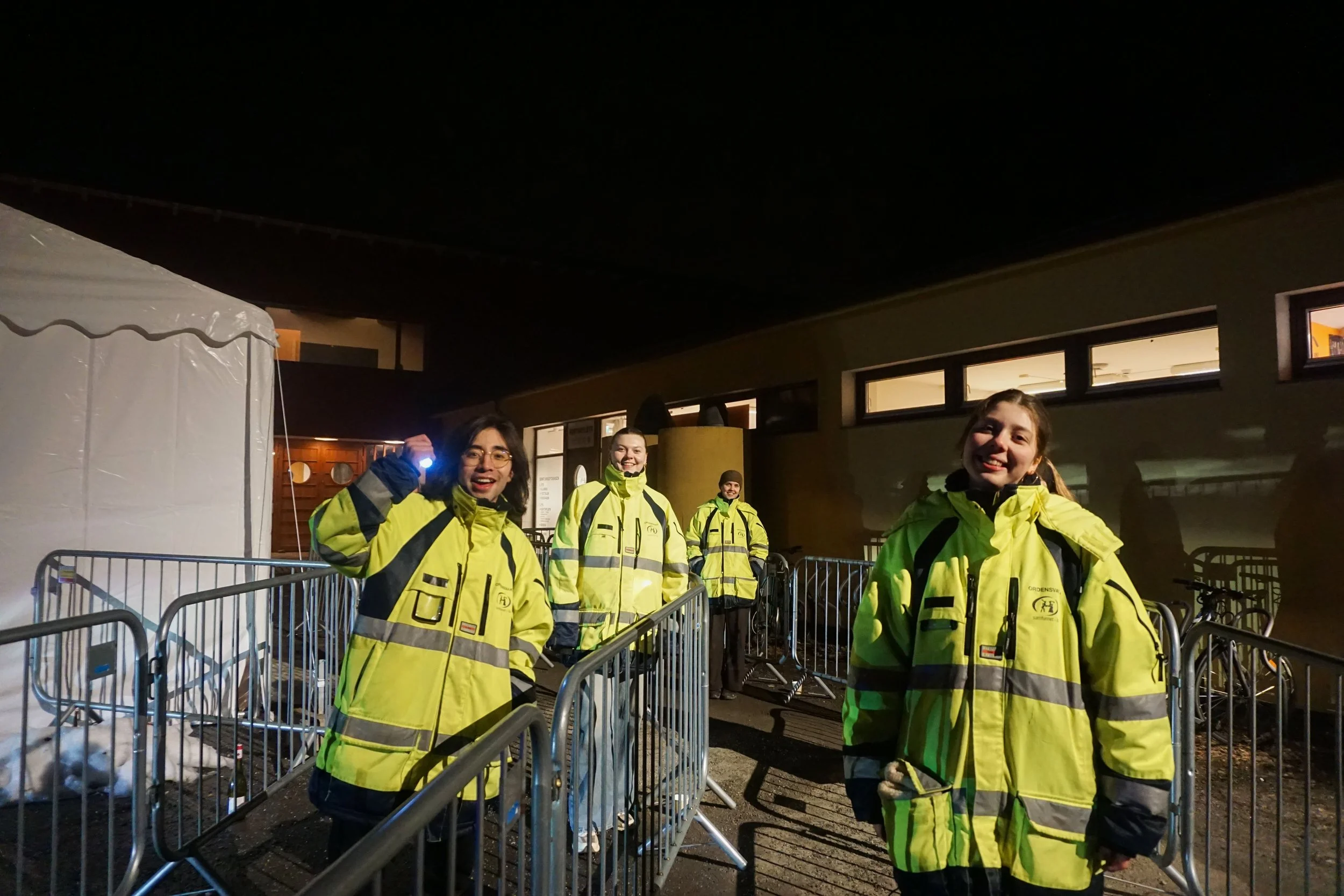
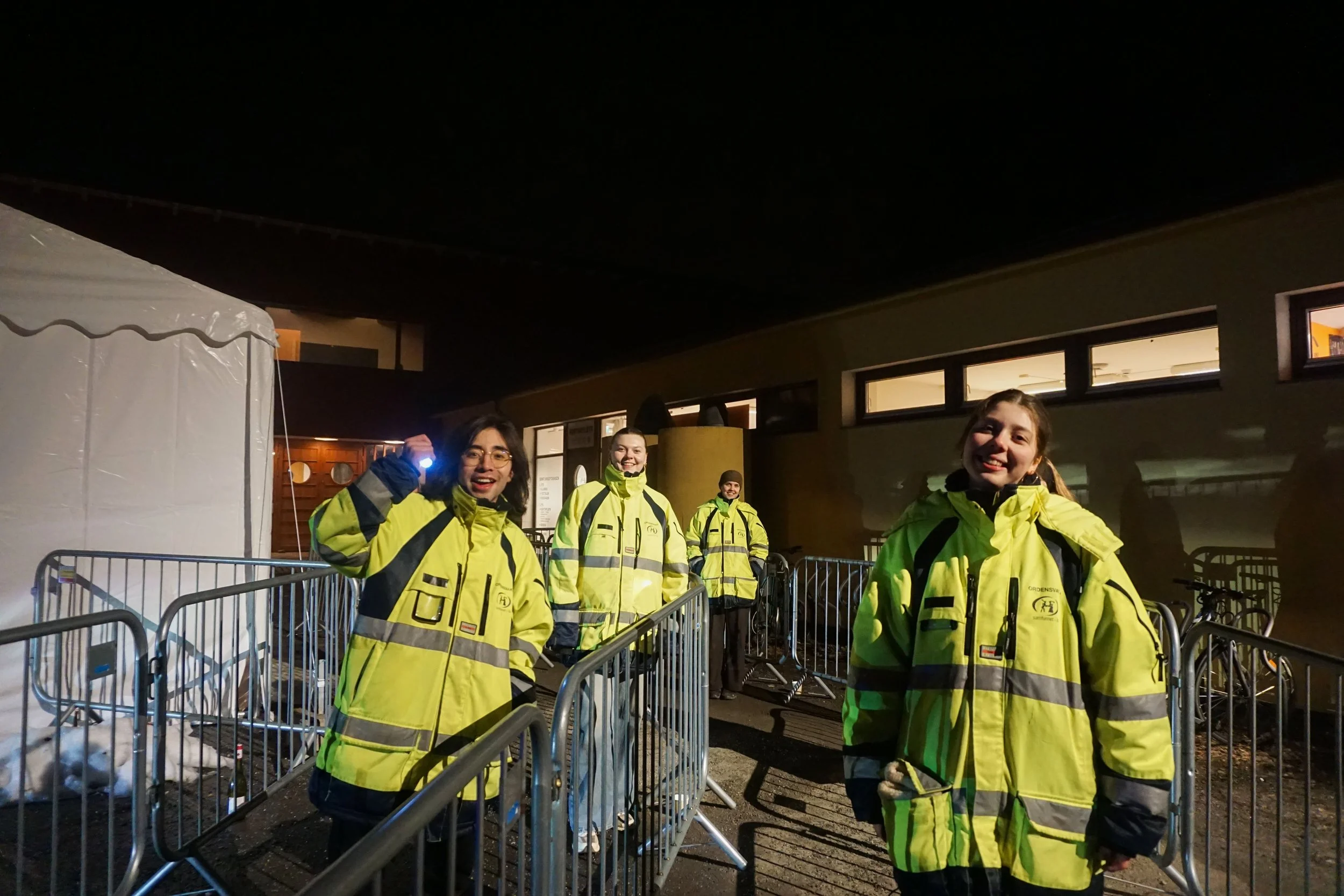
At every party night, Samfunnetdepends on volunteers to assist withsimpler tasks that are not handled bycommittee members and committeeleaders, as they have more specialized responsibilities tied to greater levels of responsibility. You may have had several Community service shifts yourself, with varying tasks – everything from monitoring the fire board to conducting body searches and working the cloakroom.
Bodega Cheif Moberg describes the difficult balance between room capacity and fire safety. Since Aud.Max. cannot currently be used, other parts of the building have been taken into use in order to maintain capacity. This new use of space requires a larger number of Community service shifts than before, and when not enough people show up, Samfunnet is forced to limit which rooms can be used. With the number of tickets sold requiring a higher capacity, this can ultimately affect fire safety. Moberg explains that they were absolutely not prepared for the drop in attendance that occurred in January, and that as an emergency solution they had to call in members of the Board. The alternative would have been to cancel the event.
Ultimately, the consequences are greatest for everyone else rather than for those who fail to show up. It becomes more demanding for the organizers and potentially more crowded for guests. The only consequence of not attending a community service shift is that the membership is frozen until the next time the member completes a shift.
Measures
Moberg mentions several measures that have been implemented to make communityservice shifts more flexible. For instance, it is now possible to sign up in advance for specific events. It is also possible to sign up together with friends, making the evening a bit more appealing to attend. If someone wishes to switch their shift, he explains that there is a Facebook group called “Bytte samfunnstjenesten” (“SwapCommunity Service”), although unfortunately it is not widely used.
The Tragedy of the Commons
Moberg also points out the paradox of the situation: if enough people show up for community service, the experience becomes much better for everyone working, which in turn makes it more attractive to attend the next time one is called in. If too few people show up, however, it creates greater unpredictability for those who actually do attend.