“WE OWN THE FOREST THE WAY A CHILD OWNS ITS MOTHER”
“WE OWN THE FOREST THE WAY A CHILD OWNS ITS MOTHER”
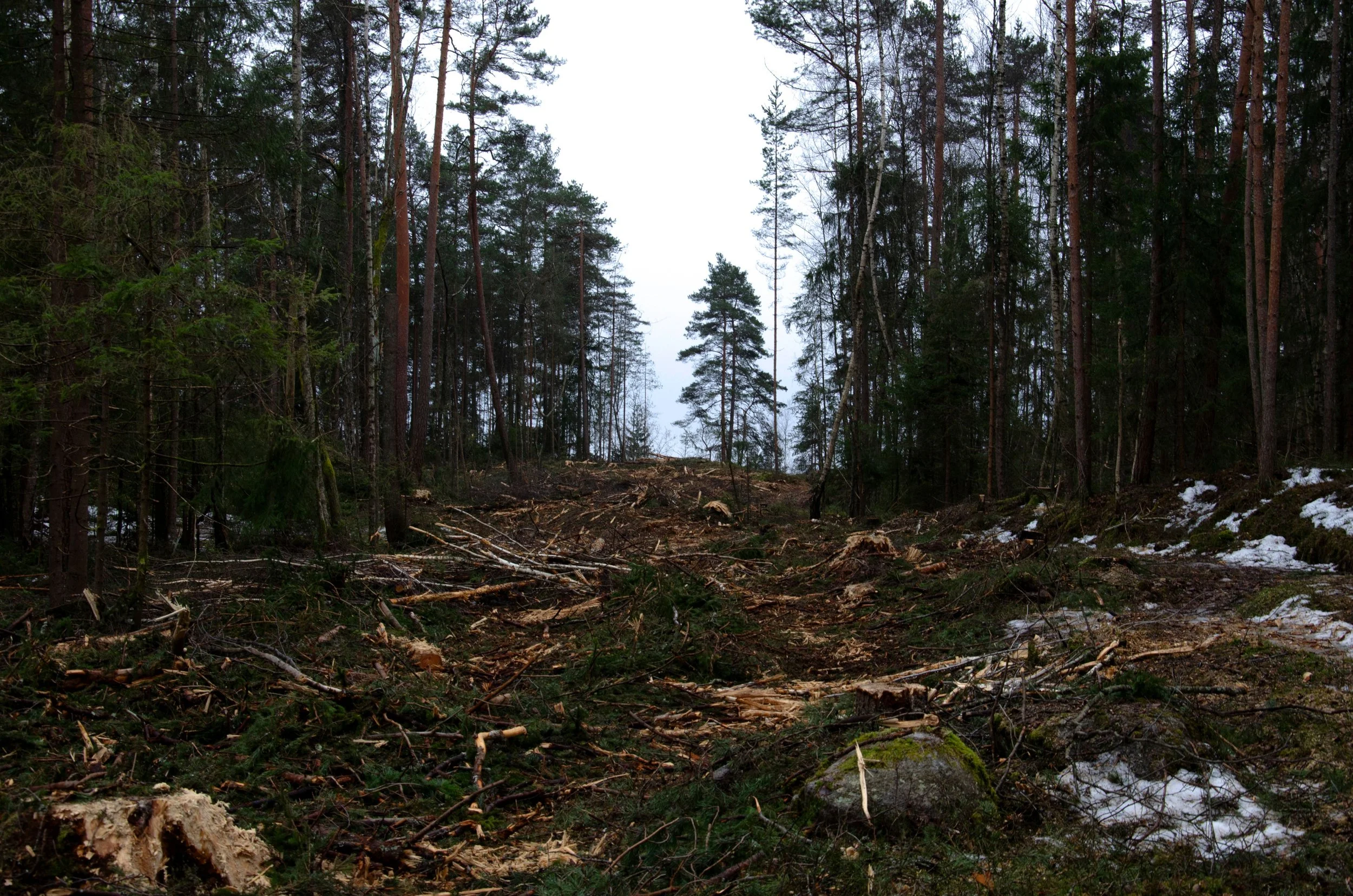
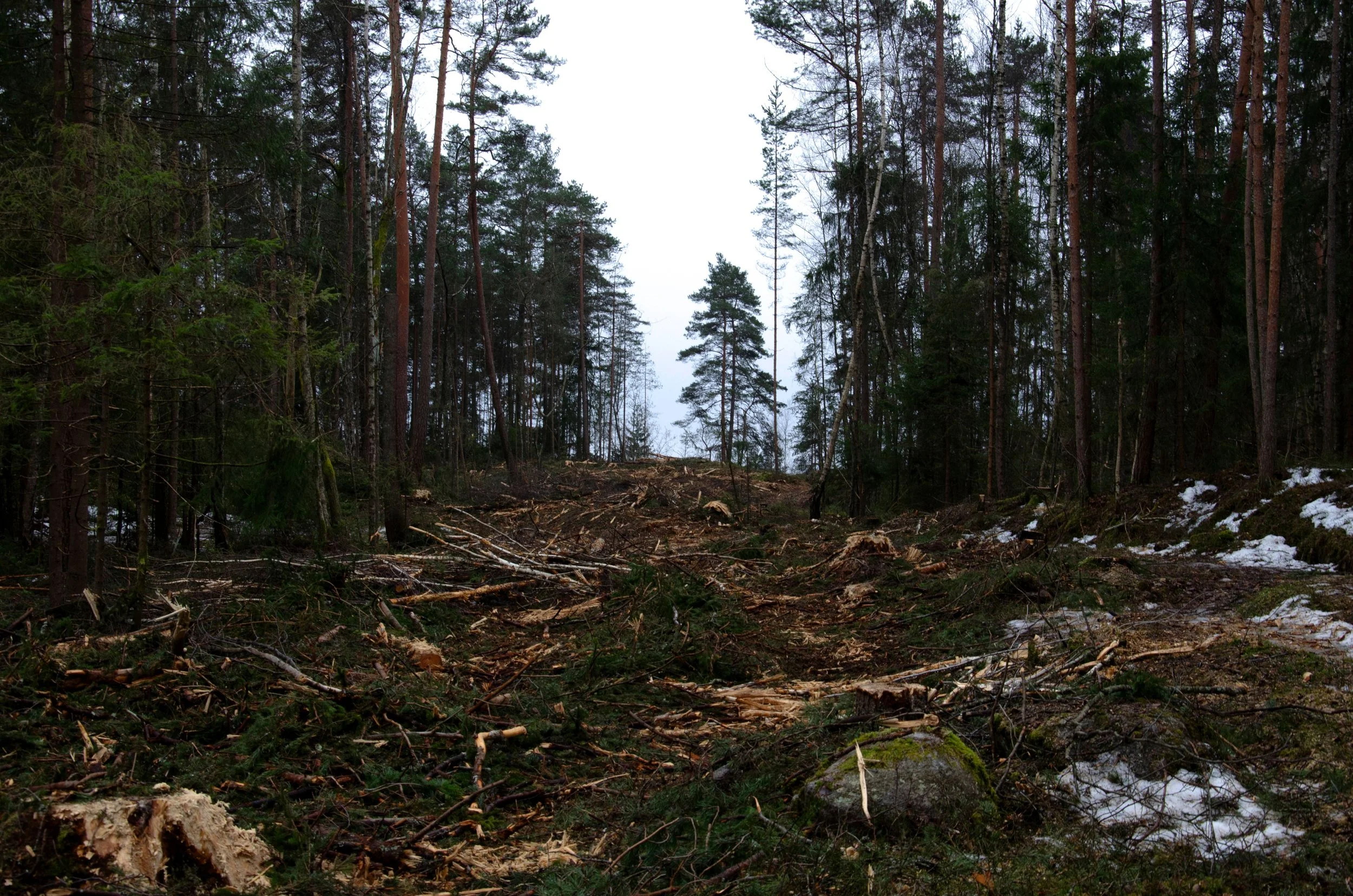
So reads the final stanza of the poem We Own the Forests by Hans Børli, which was read during the Vestnebba demonstration on February 11th outside Ås Town Hall. Everyone from politicians to concerned residents to activists gave speeches or read poems. Even though the battle against the logging machines had already been lost, the focus was directed forward. This gathering aimed to “encourage a more democratic process” in future case.
Journalist: Siren Vårvik Matre
Photographer: Jørgen Berg Yndestad
Translator: Oskar Nerheim
Action
I don’t know about your algorithms, but among all the posts about Alysa Liu, a lot about the logging at Vestnebba has also appeared in my feed.
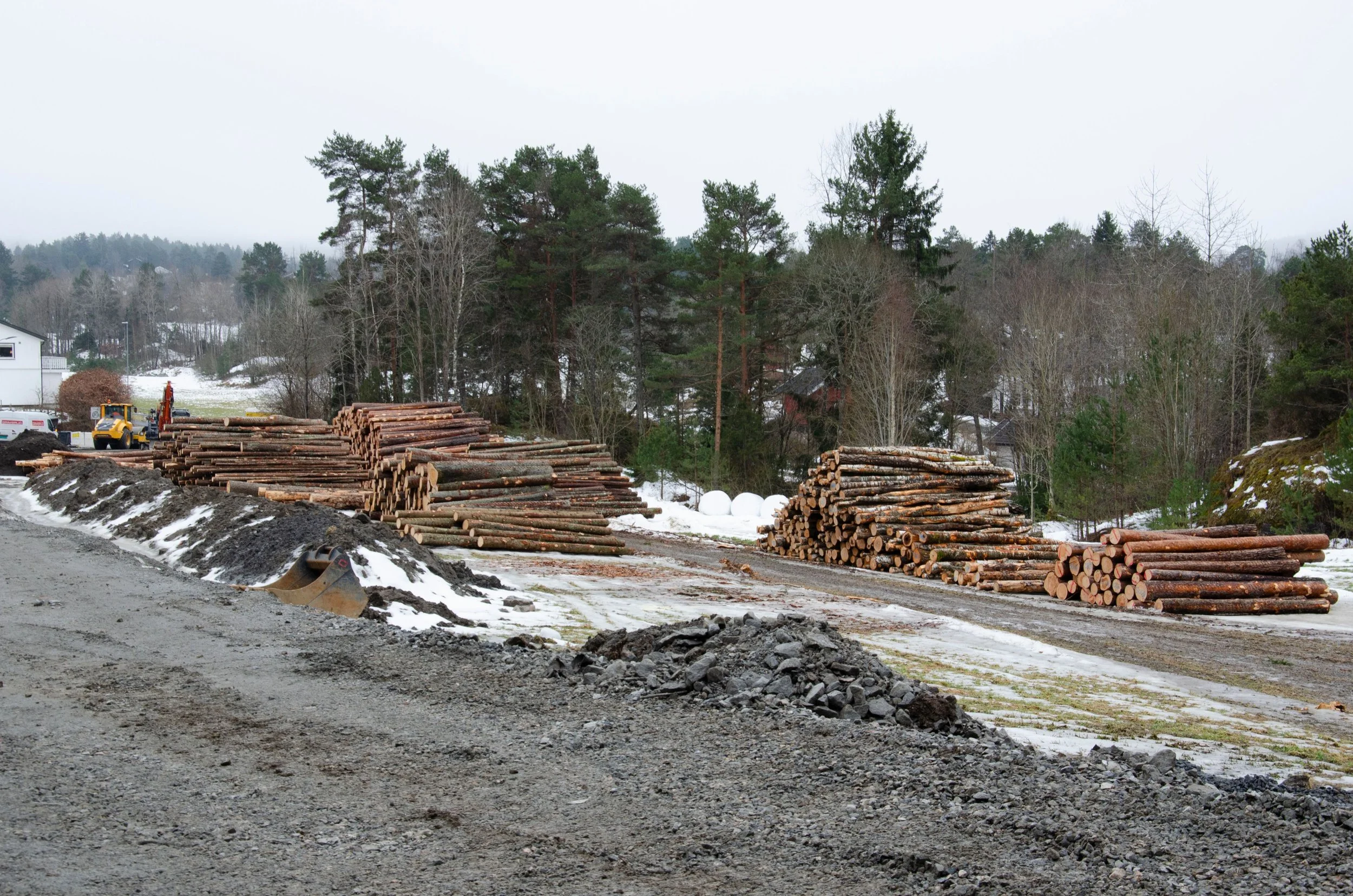
On Thursday, February 5th, the logging machines began their work in the forest. This created many reactions since the forest was under formal evaluation for protection by the municipality, and logging could influence the basis for that evaluation.
When Elin Marie Schopmeier, a student at NMBU, heard about the logging the following Saturday, she began mobilizing. She contacted several other concerned residents, including fellow students, and together they planned a protest. On Monday they went to the logging machines at Vestnebba and refused to move. The police had to remove several activists during the two days they were there. The protest did not manage to stop the work at Vestnebba, but it made more people aware of what may be an undemocratic legal process. “I become afraid of the world whenI see democracy not working in a country as privileged as Norway,” says Schopmeier. Does Norwegian legislation not protect nature well enough, or are the elected politicians failing to manage the laws properly?
JUS220
If you want to read more detailed coverage about the logging or the protest, I recommend picking up another newspaper. I will focus this text on the legal process. After several hours with my nose buried in press releases, case documents, and newspaper articles about Vestnebba, I suddenly felt transported back to a lecture in Festsalen (Ur). This case could easily have been part of the curriculum in JUS220, Environmental Administrative Law, which I took last autumn. The municipality must choose between societal interests or protection, nature cannot represent itself legally, and references appear to theNature Diversity Act and the municipality’s land-use plan. Therefore I spoke with Gunnhild Storbekkrønning Solli, the course coordinator for JUS220, to hear what she thought about the case from an environmental law perspective.
Facts, period.
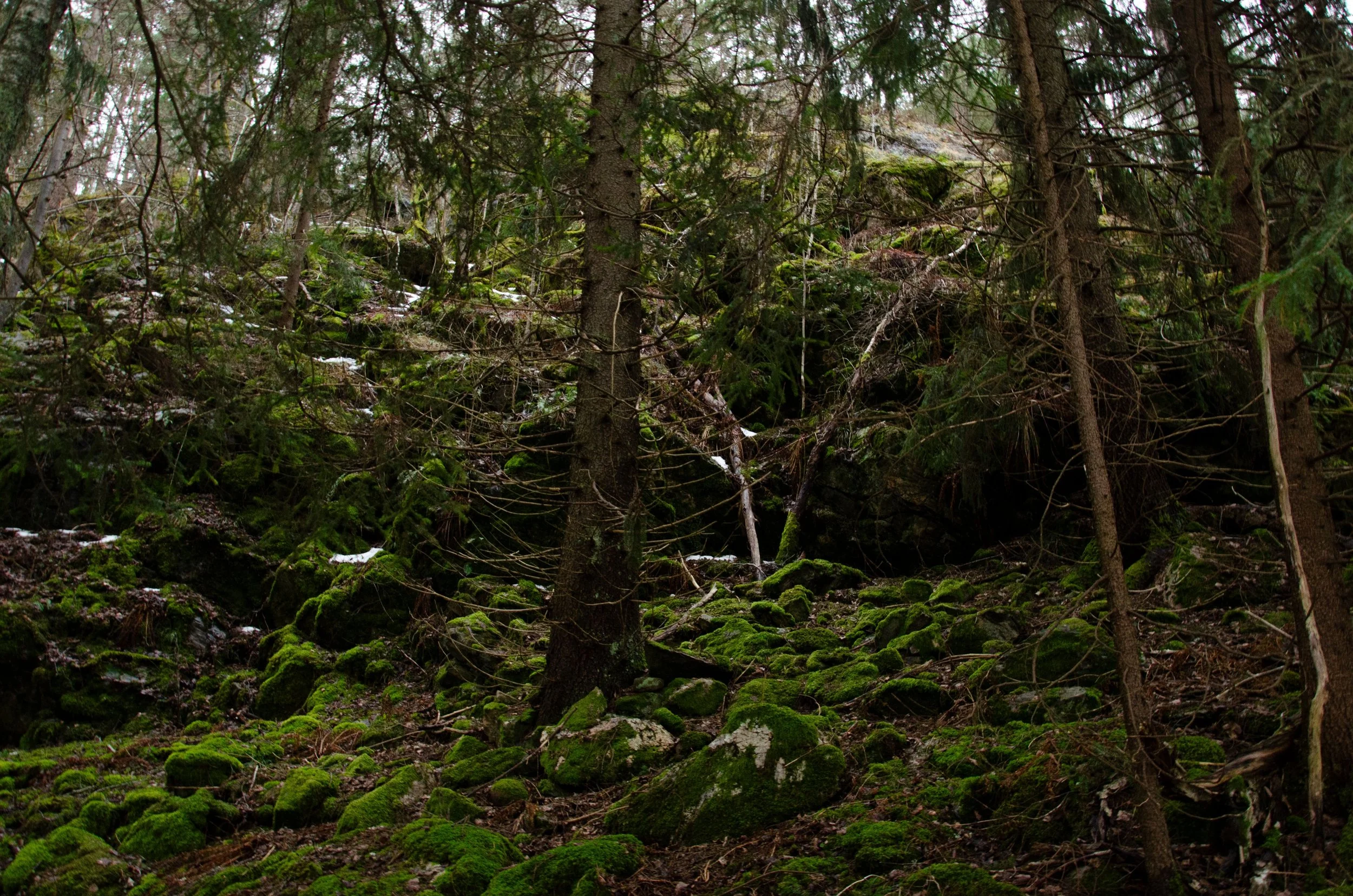
Solli emphasized the importance of establishing the facts in this case, so let us start there. Vestnebba was under formal evaluation for permanent protection by the Ås municipal council when VikenSkog began logging on behalf of the forest owner. There are two key biotopes in the forest. The area lies in a designated zone for nature and outdoor recreation in the municipal land-use plan, located between two nature reserves. The nature type at Vestnebba is registered as regionally important. The Norwegian Society for the Conservation of Nature submitted a consultation statement proposing a survey with the aim of regulating Vestnebba as a special conservation area. They state that the area has a high probability of being natural forest, that more than half of the forest stands are between 100 and 150 years old, and that there is abundant bird life. In addition, they describe VikenSkog’s logging plan as not sustainable and accuse them of greenwashing. Viken Skog’s information letter states that the logging will mainly involve selective cutting where planners and contractors take account of cultural heritage sites, hiking areas, and environmental considerations. The logging will take place some distance away from the nature reserve and between the two key biotopes.
The Norwegian Society for the Conservation of Nature is an environmental organization. Viken Skog is a forest owners’ cooperative that assists forest owners with forestry planning and management. Two organizations can read the same book and still disagree in the book club afterward.
Temporary prohibition
Solli also said I should examine why a temporary ban on logging was not introduced. The law firm BrækhusA dvokatfirma AS has also emphasized this legal possibility that the municipality could have used. The Planning and BuildingAct §13-1 allows municipalities to adopt a temporary ban on measures if an area should undergo new planning. In addition, the Forestry Act §8 states that if logging does not take environmental values into account, the municipality can refuse the logging or set conditions for how it must be carried out. I emailed the Follo Agricultural Office and asked what their reasoning was for not using this legal opportunity. Their response was that the municipality had obtained documentation from Viken Skog, on behalf of the landowner, describing how the logging would be carried out and how environmental values would be protected. Based on this, they assessed that the logging fulfilled the necessary requirements.
Viken Skog follows the Norwegian PEFCforest standard, which has been criticized for not being strict enough, while others believe it is sufficient. Hanne Sjølie from Inland Norway University of AppliedSciences encourages people to give the new standard time to work. Which sides hould the municipality take when logging is approved according to the Norwegian forest standard, but others, such as the Norwegian Society for the Conservation of Nature, claim it is not sustainable?
A lack of knowledge about nature withinmunicipal land‑use management is arecurring problem in environmental law.
Notification requirement
If Ås municipality had required notification before logging, this case might have developed differently. The debate about such notification requirements is polarized. On one hand, notification requirements help ensure necessary knowledge before logging takes place. On the other hand, they create more bureaucracy and remove forest owners’ control over their own forests. I remember when I learned that people perceive colors differently. My red may beyour green. We can look at the same thing and still see it differently. People can look at a forest, know a great deal about it, and still want different outcomes even if both sides have legal rights. It is important that they can speak openly about what they want. Norway needs forestry. We need houses and furniture. But Norway has also set a goal of protecting 10 percent of its forests. Then weneed laws that can support both goals.