The Everyday Heroes of Campus: A Glimpse in the Life of a SiÅs’ Janitor
The Everyday Heroes of Campus:
A Glimpse in the Life of a SiÅs’ Janitor
Most students don’t know their names, yet they know our kitchens, drains, and broken light bulbs better than we do. With a few taps on our phones, they show up at our doors to fix whatever has stopped working. But who are the SiÅs janitors, and what do they actually do?
Journalist: Zoë Ballon
Photographer: Jørgen Berg Yndestad
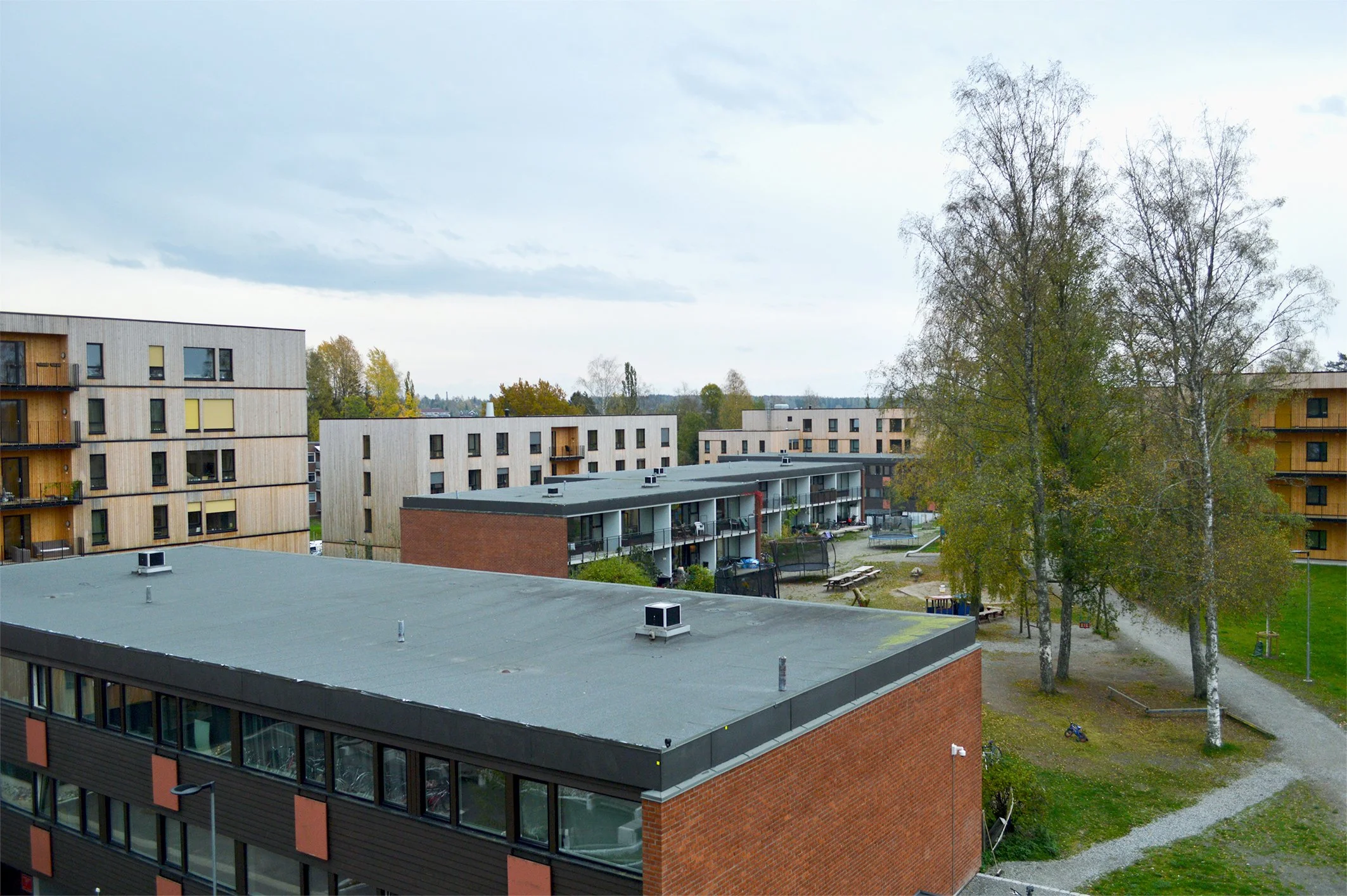
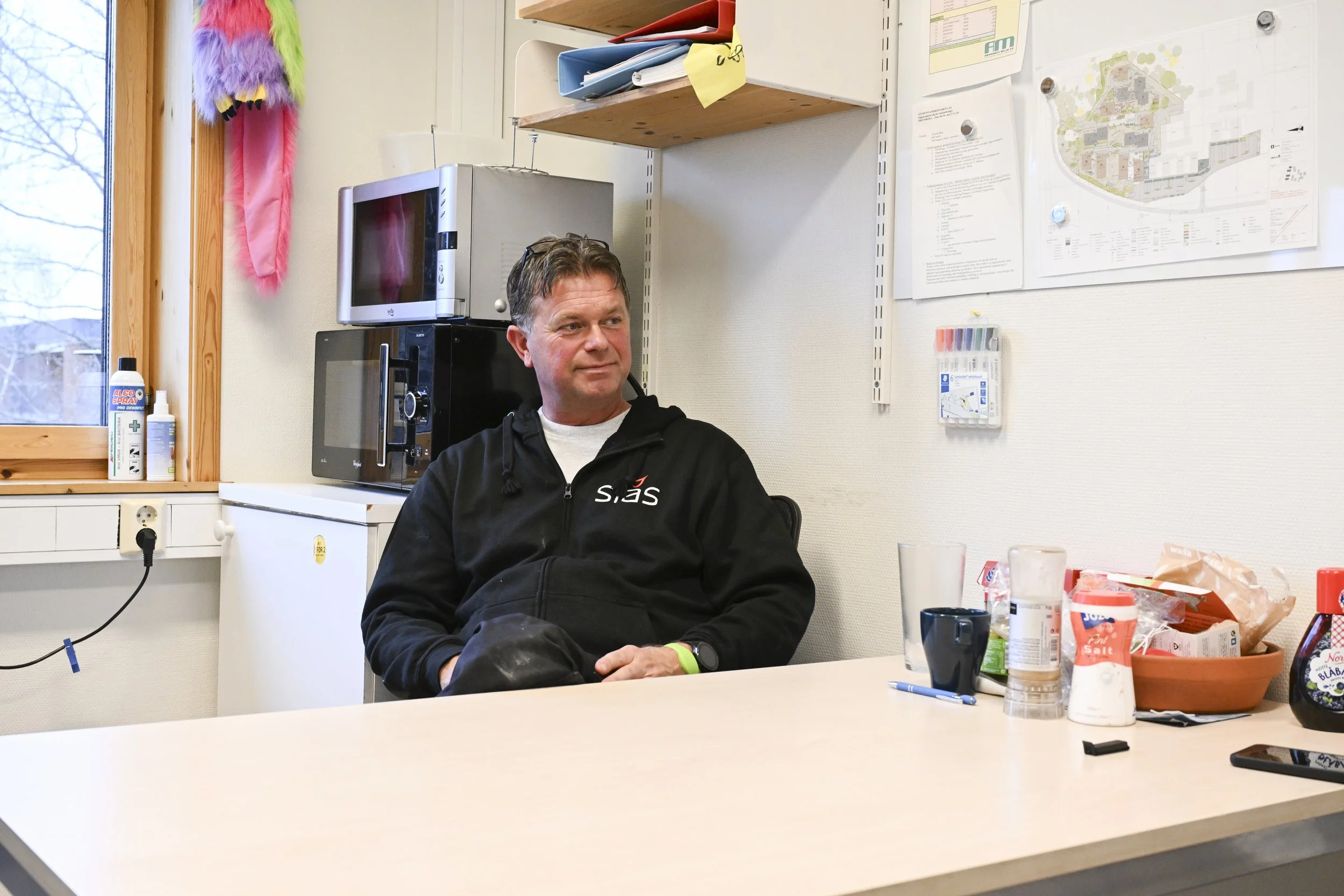
SiÅs is the student welfare association responsible for housing, cafeterias, sports facilities and the bookshop. In total, they have 32 employees working around campus. At the Pentagon office alone, six janitors and two cleaners operate daily. Among them is Lars Brekke, the official driftsleder. Vivian Bolstad, also a janitor, kindly helped translate parts of the interview.
A Job He Loves
When asked to describe his job in two sentences, Lars simply said: “I am very happy with my job.” It set the tone for the interview: some language confusion now and then, but above all a man genuinely satisfied with what he does.
How Their Day Begins
His day starts at 7 a.m., checking the system for new maintenance requests—usually fifteen to twenty per day, and far more during the summer when students move in and out. The team sorts requests by priority and distributes them, helped by their own carpenter, plumber and electrician.
But they never knock on student doors before 9 a.m. “Otherwise students are still asleep,” Lars says. I had never considered that our collective student’s laziness would shape someone else’s workday.
Beyond the Repairs
Their work extends well beyond fixing broken appliances. In summer they maintain outdoor areas and communal spaces, keeping the campus functional and pleasant.
Since August, SiÅs has also launched a bed-sheet rental service. For 100 NOK a month, students can exchange their sheets for clean ones whenever they want. For many, the joy of sleeping in freshly washed sheets without doing laundry is worth every krone.
Some issues appear again and again. The most common? Clogged kitchen and shower drains and broken light bulbs—exactly the two things I’ve asked SiÅs to help me with before.
Surprisingly, old buildings are not necessarily worse than new ones. According to Lars, electronic appliances break everywhere: fridges, ovens, vacuum cleaners. “They did very good work in the old days,” he says. Some things could help make his job easier: “Don’t pour food waste in the sink.” And maybe, he adds, “They can be better at moving the trash.”
Still, he insists students are generally very clean. “You have many students here, and 90% is clean. We have had some problems, but no real major issues.” A comforting thought for all of us.
When Things Go Wrong
Although most days involve small repairs, bigger incidents do happen a few times a year. Something breaks completely, a system fails, or a student causes an accidental disaster. Entire rooms occasionally flood. For those situations, external companies are called in, but luckily such events are rare.
Has snow ever disrupted their work? Lars just laughs. “No! We get the snow out of the way!” His optimism seems endless; no problem appears too big.
Winning the Lotto
Ask Lars what he enjoys most and the answer is instant; his colleagues. Working closely together creates friendships, and the variety in the job keeps it interesting. Three years ago, he switched careers—he used to be a carpenter—and applied for this job after seeing the posting on Finn. He hasn’t regretted it once. “It’s like winning the lotto,” he says.
When asked about the worst part of the job, he simply replies: “Nothing.”
Students often chat with him while he works, and he feels welcome everywhere he goes. He especially enjoys moments when he can fix something extra or show someone an easier way to do something. “They get really happy then,” he says.
Looking Ahead
I was also curious about the construction work happening around campus. What does Lars think? “I look forward to it,” he says. “It’s an exciting period. More students will come, and we will get more work now.” His positivity is refreshing—he sees more work as more opportunities to help and more people to make happy. A fair trade, in his view.
The Remaining Mysteries
Before ending the interview, there was one question I had to ask: is there a big difference in cleanliness between student apartments? His answer: “Yes.” I tried to get more—a little gossip, some hint of the horrors they must have seen—but nothing. Whether it’s the language barrier or simply professionalism, Lars reveals nothing of the secrets, messes or conversations he encounters. It is part of the job—and part of the mystery.
They move quietly through our kitchens and rooms, solving the problems we create. And even after this small glimpse behind the scenes, one truth remains: they witness our student lives far more closely than we will ever witness theirs.