Arealreduction on Campus
Arealreduction on Campus
NMBU’s finances are not doing well. Even after cutting more than 100 full-time equivalents since January 2024, the forecast for 2025 is a surplus of 1.8 million NOK, but with millions in negative provisions. One way to save money is to reduce the area, but it is difficult to do this in a way that protects the interests of all parties. It is also difficult to keep track of what the plan is, what is decided, and what is under review. Tuntréet has investigated how the future will look for the campus.
Journalist: Henning Gran Kjøsnes
Translator: Ida Jystad
Photographer: Daniil Apruda
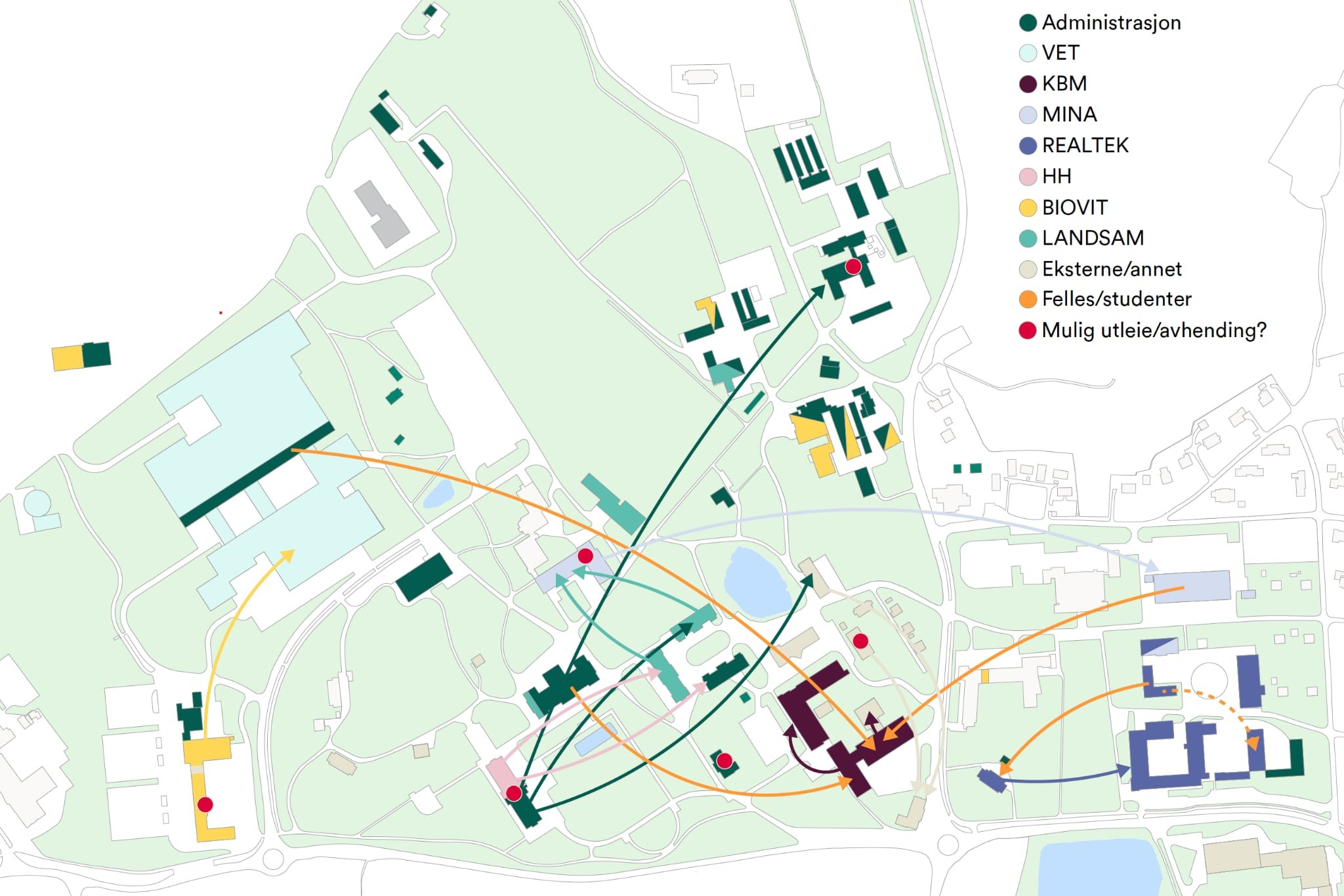
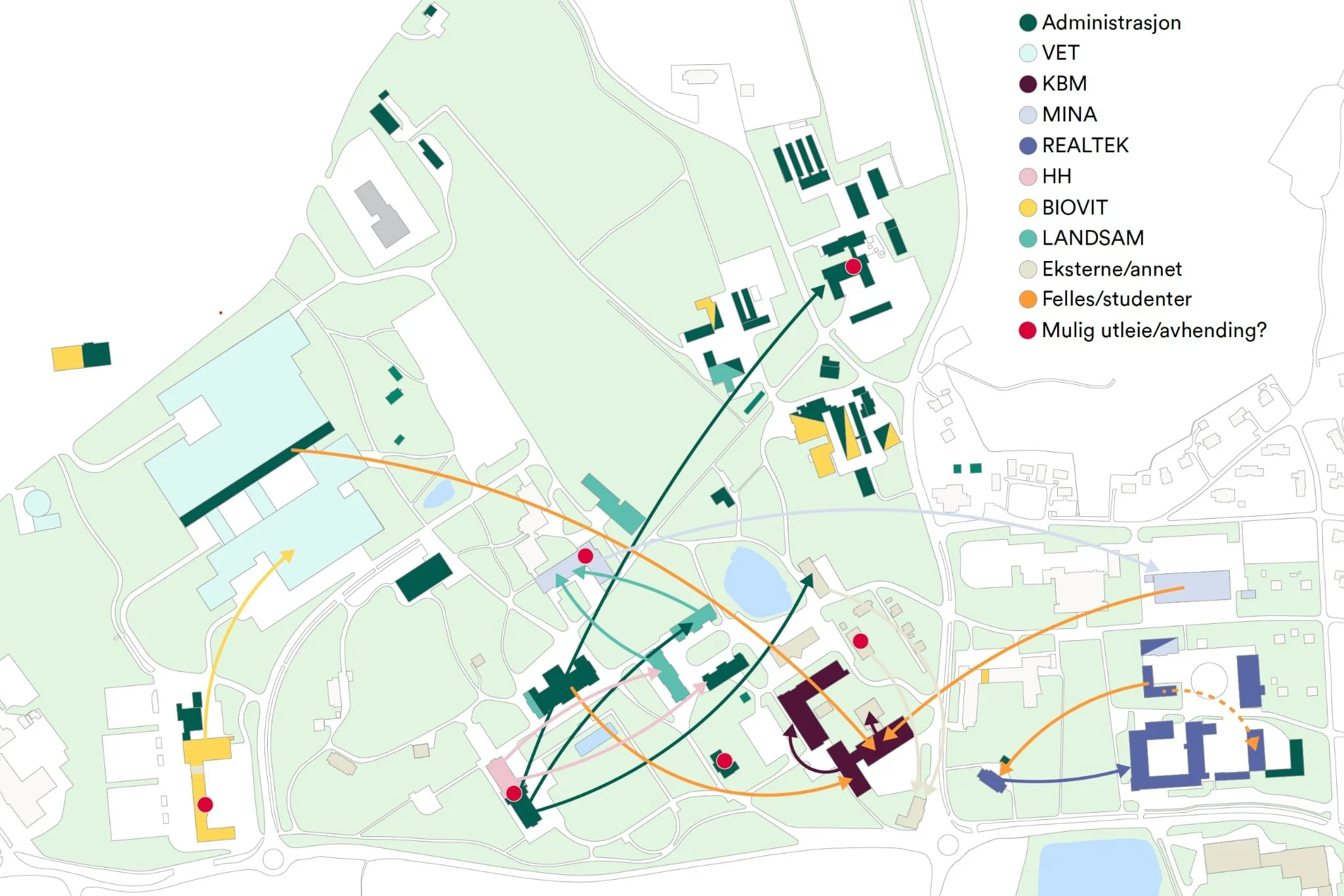
Among Norwegian universities and colleges, NMBU has the largest area per employee and student. According to the Property Department (EIA), this means that a lot of area can be cut without cutting much of the university’s offered activities. This applies even when accounting for the fact that NMBU has a large proportion of special-purpose areas such as the animal hospital. At the same time, some types of spaces are lacking, particularly large and medium-sized lecture halls. Regardless, as part of the 2024 Campus Area Plan, the University Board decided to reduce the total area by 5–10% before 2030. Initially, one will notice the merger of VET and BIOVIT and that “Studentenes Hus” will be closed, but eventually the area reductions may change much of Campus (see map).
What the university saves money on is twofold. First, it avoids costs related to heating, cleaning, and similar routine operations. This alone can save quite a bit of money—for example, 4.5 million NOK per year in maintenance can be saved by closing the Husdyrfagbygget. In addition, the campus buildings have a combined maintenance backlog of almost 5 billion NOK, and if a building is closed, it no longer needs to be renovated. Moreover, if the university is lucky and secures a rental agreement with a third party, it may even earn extra money!
To save money, the university must close entire buildings, and to reach the 10% goal, the three buildings that make the most sense to close are the Tower Building, the Animal Science Building, and the Soil Science Building. “Everyone” agrees that alternative teaching rooms must be found to replace those lost due to area reduction. There are no adopted plans yet for exactly how this will be achieved, but alternative areas will be assessed before the process starts.
According to EIA, there will be positive aspects to area reduction, not just problems. For example, there will be more opportunities to meet others on campus, and there will be possibilities for better collaboration between faculties. However, there will be difficult decisions about what to prioritize—research space, workspaces, or student areas. EIA encourages students to get involved and say what types of spaces they believe should be prioritized.
What is a condition rating?
The scale ranges from 0-3, where condition ratings 2-3 indicate that the buildings have significant, major, or serious defects.
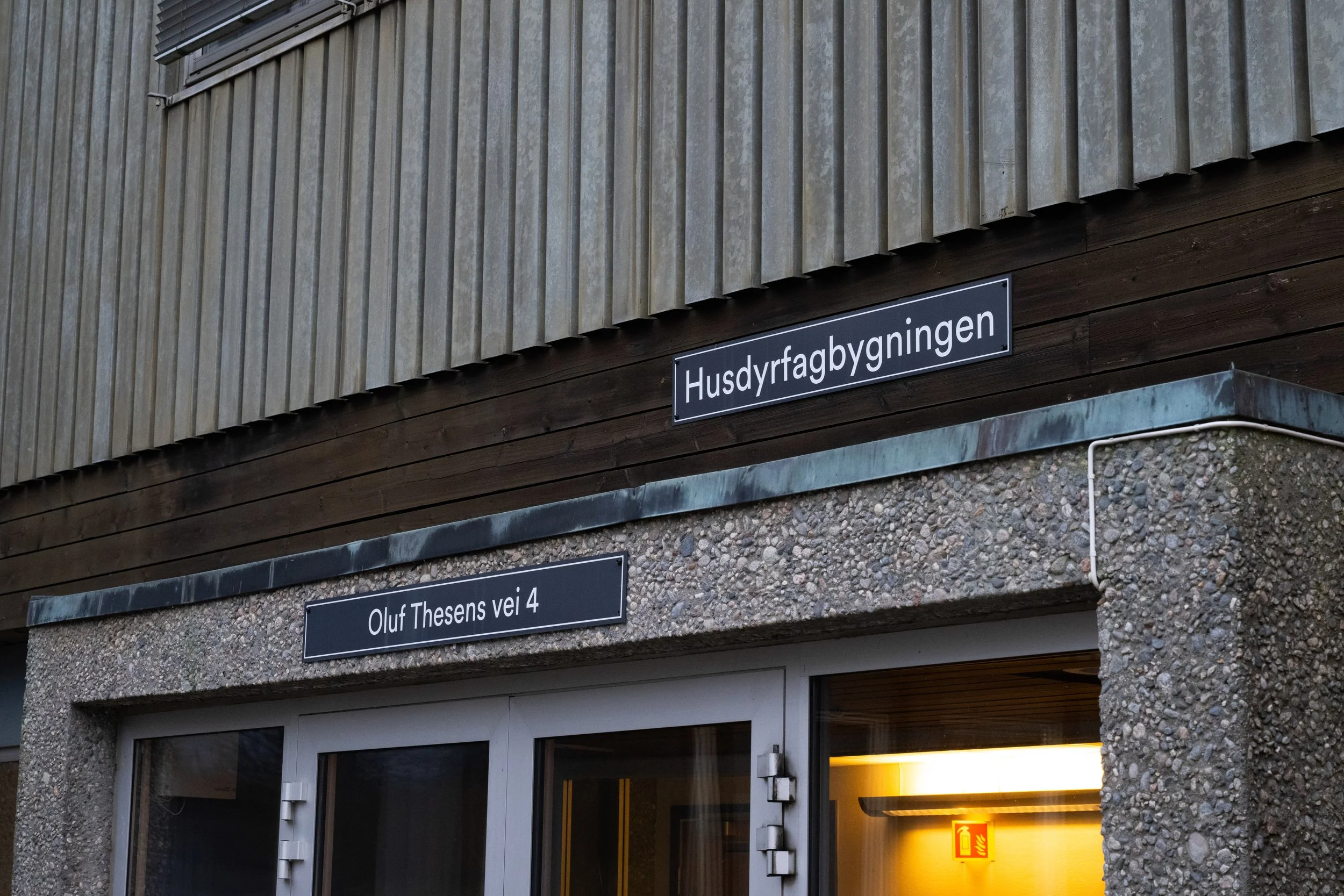
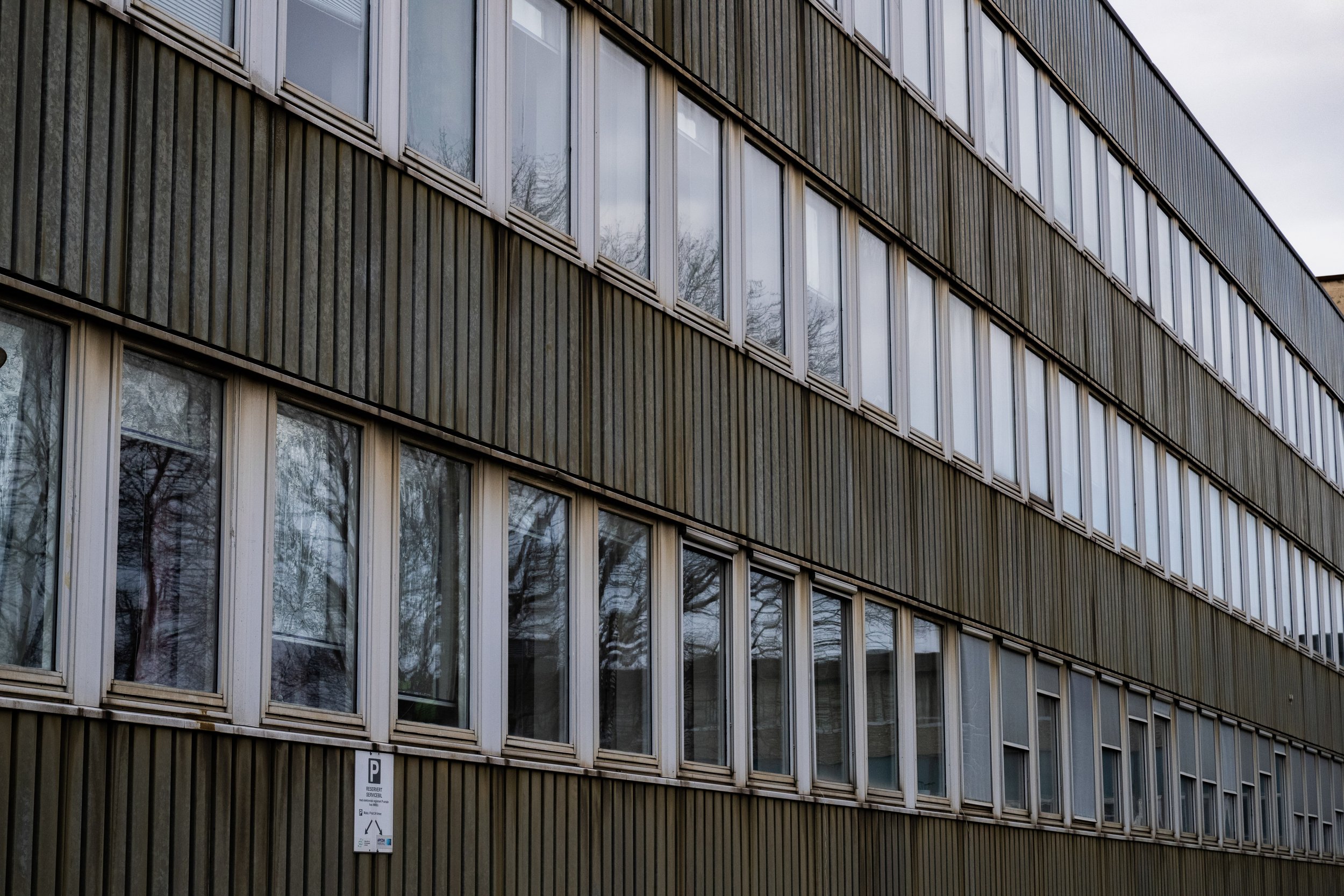
Husdyrfagbygget
Area: 8,000 m² (4% of total building area)
Condition grade: 2
Rehabilitation cost: 400 million kr
Alternative use: Rental, sale, or demolition. Nothing concrete yet, as it has not been decided that the building will become vacant.
Problems and upgrade needs:
A building from the 1960s with structural challenges due to low floor heights, making upgrading difficult. The façade, windows, floors, ceilings, walls, and roof must be replaced. The building needs new drainage and HVAC systems, a new ventilation and cooling system, a full electrical upgrade, and modernization of the control system, among other things. In addition, a new floor plan is needed to improve space use and maintain universal design. The needs are so extensive that demolition will be considered if sale/rental is not possible.
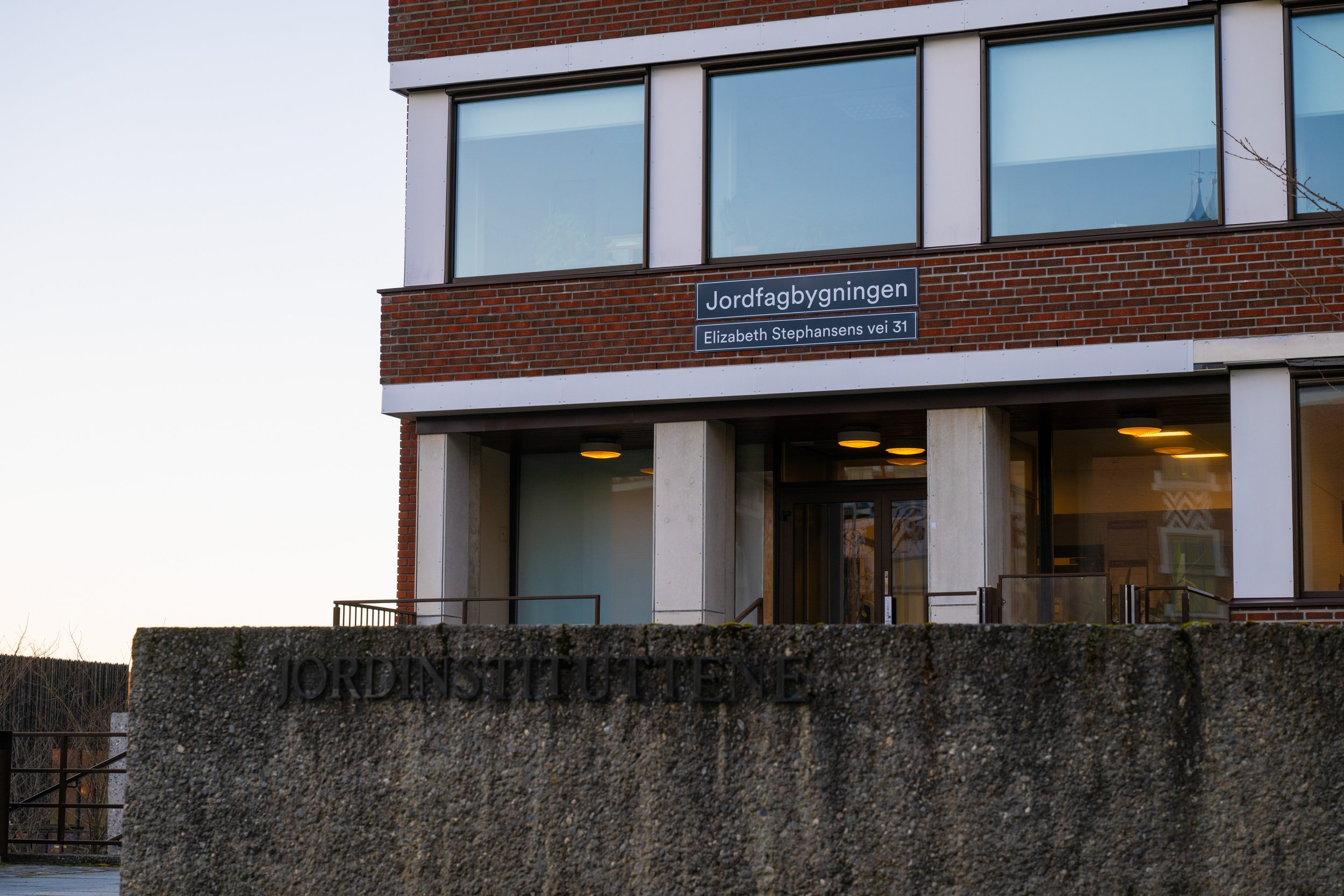
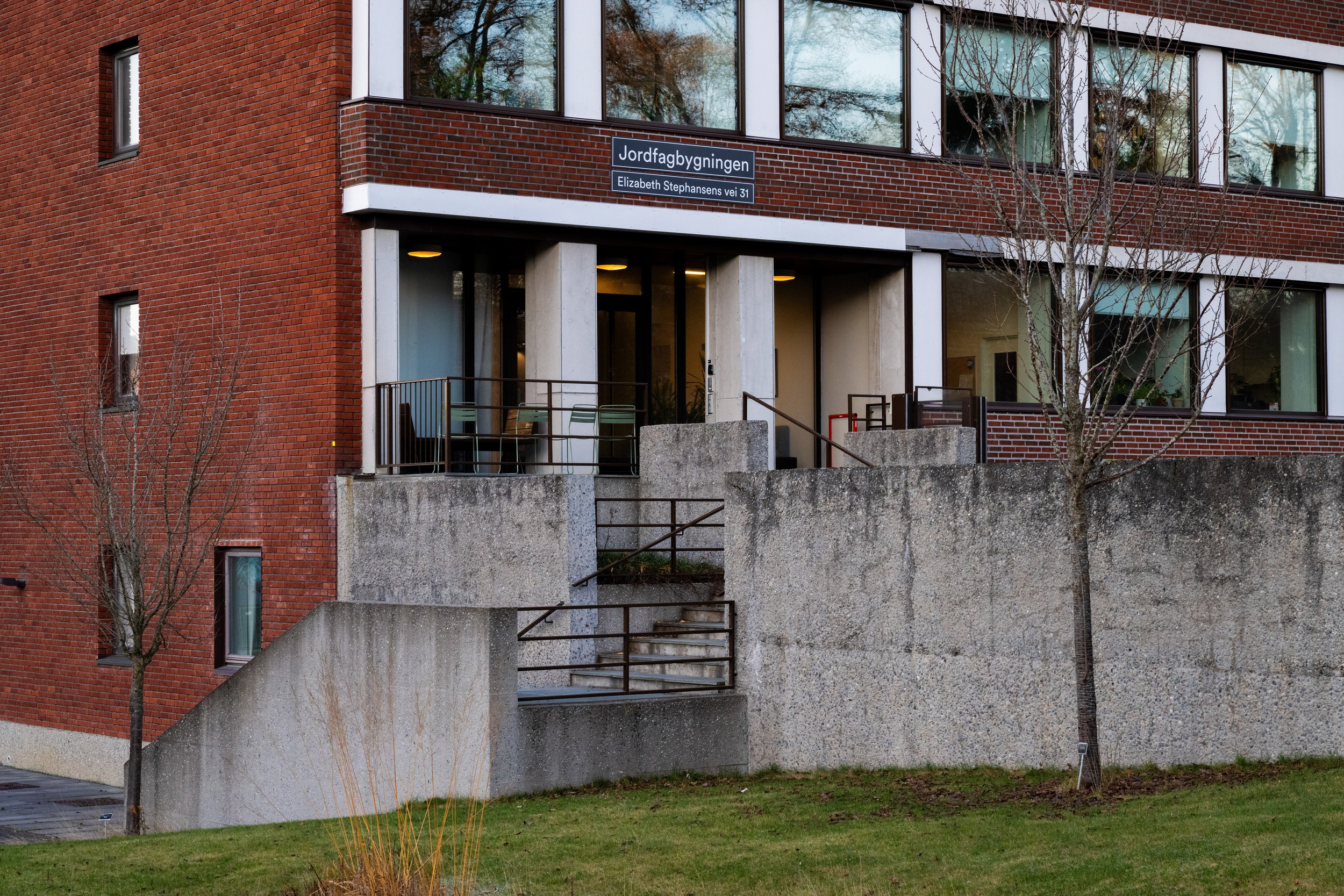
Jordfagbygningen
Area: 6,300 m² (3% of total building area)
Condition grade: 1.6
Rehabilitation cost: 150 million kr (given a dry building)
Alternative use: Conversion into a “dry building.”
Problems and upgrade needs:
The problems are unevenly distributed, and especially the Isotope Laboratory, the basement levels, and the 1st/2nd floors have major deficiencies, while the rest was upgraded in 2016. In addition, the infrastructure around the laboratories is in poor condition. For that reason, it would be wise to relocate the laboratory areas to other buildings.
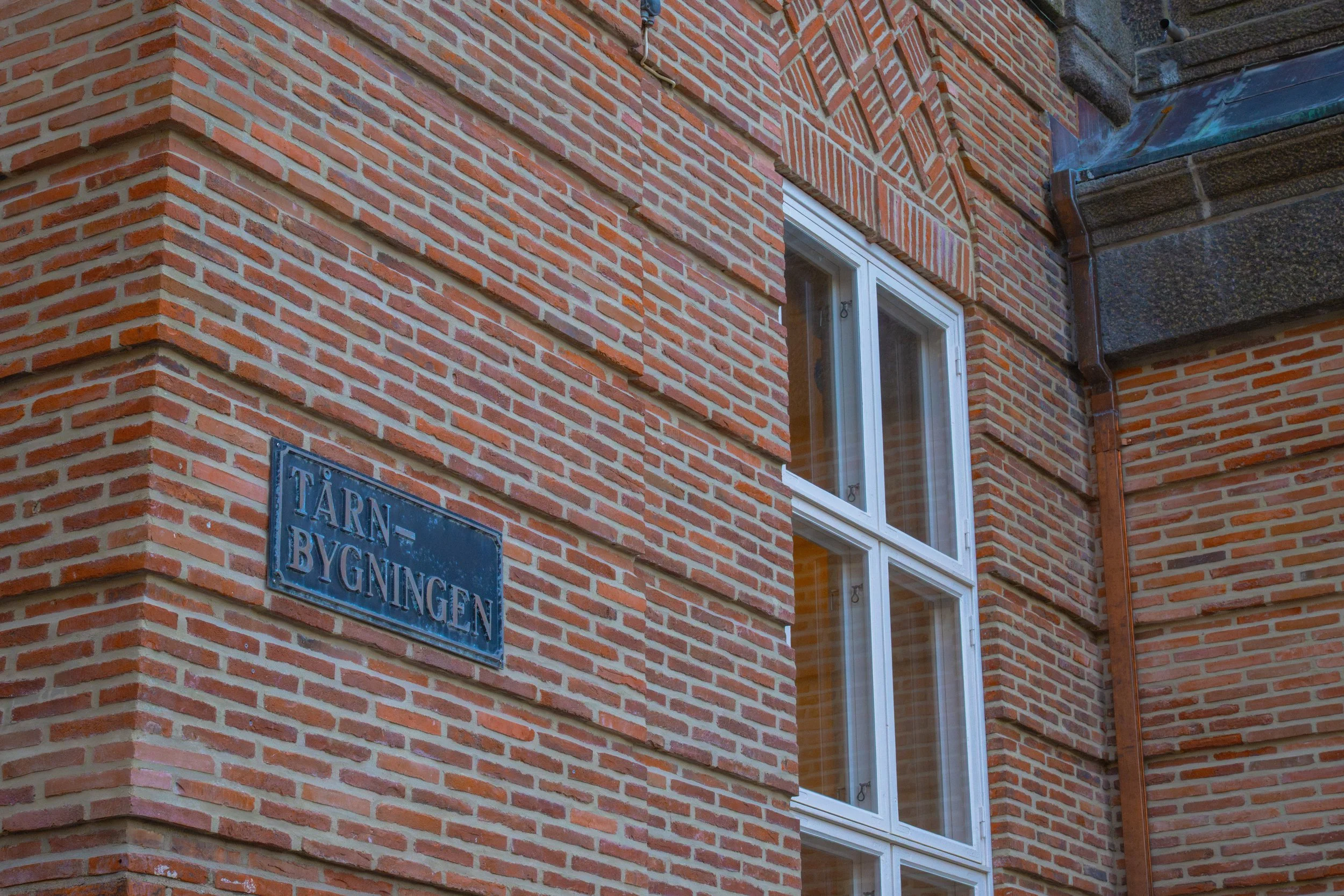
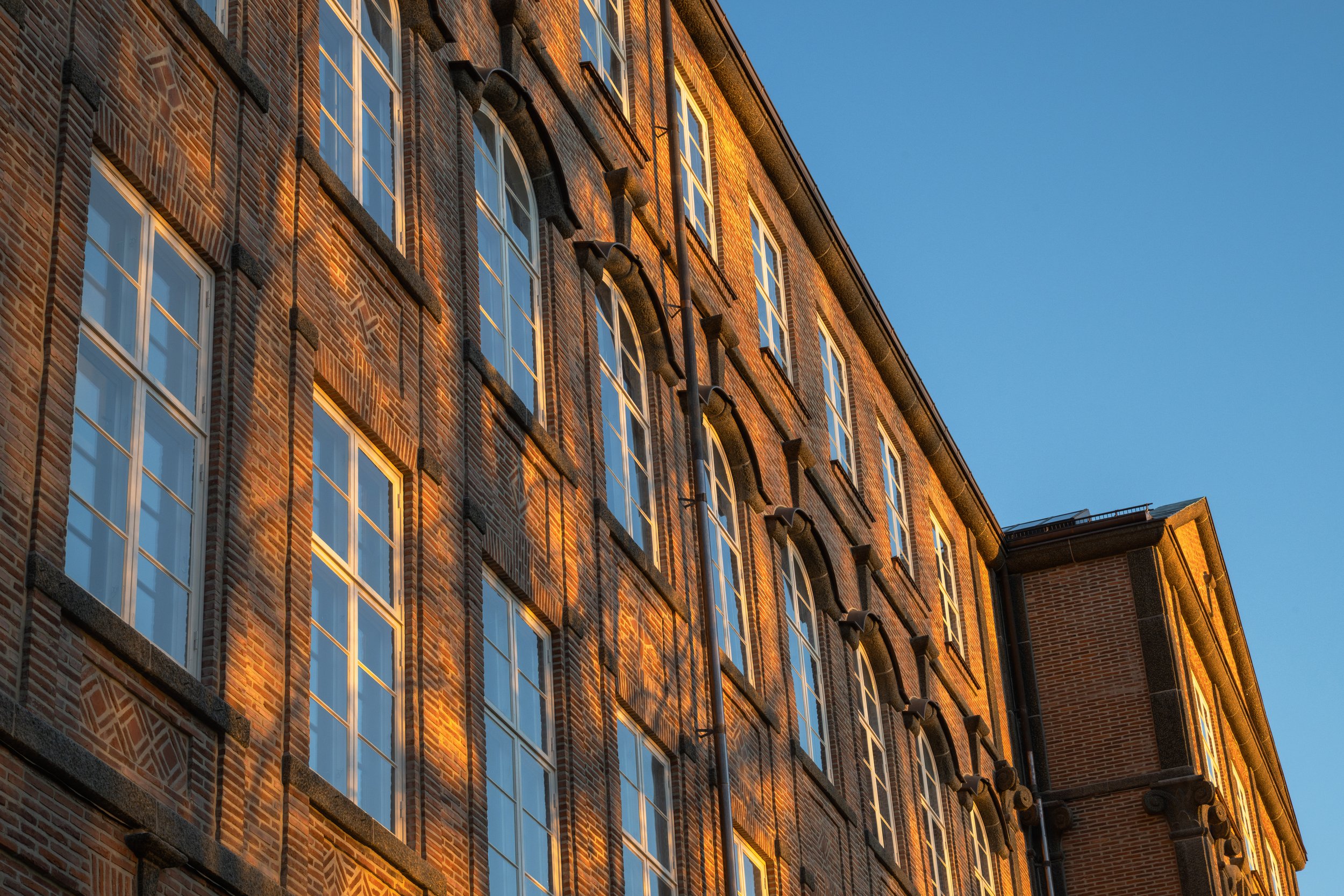
Tårnbygningen
Area: 8,000 m² (4% of total building area)
Condition grade: 1.5
Rehabilitation cost: 300 million kr
Alternative use: A hotel developer has shown interest.
Problems and upgrade needs:
There is no ventilation in office and meeting areas, three floors lack sprinklers (which are legally required), and the elevator system is too old. In addition, the indoor area must be upgraded and reorganized to be used as effectively as possible. These are needs that are especially expensive and complex to upgrade.
What happens next?
The proposal to merge the Veterinary School and the Department of Animal and Aquacultural Sciences is the one that has come furthest, but many other projects are ongoing. As you can see from the map, there are many other possible changes.
SiÅs may move out of Smia and Studentposten and into the Dairy Museum, while Vitenparken may possibly relocate into the vacant spaces left by Studentposten. MINA may move out of the Soil Science Building and into Sørhellinga, which would allow LANDSAM to move out of Cirkus and Tivoli and gather in the Soil Science Building. This relocation would allow the School of Economics and Business to leave the Tower Building and gather all employees in Cirkus. In addition, NMBU is applying for state funding to refurbish the Dairy Building, which would allow large parts of the administration and the library to move there. REALTEK will phase out the temporary buildings near Studentenes Hus and instead consolidate in the TF block and find new student areas, perhaps in Damgården or Wing 3.
When all these relocations are complete, large areas in buildings such as the Animal Science Building, the Tower Building, and the REALTEK barracks will be freed up, while students will gain more and better shared spaces concentrated in one place.
In theory, all of this could be reality by 2030, and that is the plan according to the area plan adopted by the university in 2024. Still, it is hard to believe that so much will happen in four years: finding alternative teaching rooms, and everything else that must be solved to make all the plans possible. When we spoke with EIA about this, they agreed: “Given the pace here at NMBU, it is not particularly likely that we will have reduced area by 10% by 2030. But hopefully we will be well underway.”
What can you do?
Even though it is not very likely that the process will go as fast as it does on paper, it will still happen. To reach the goal of reducing by 5%, one must in practice close one of the three buildings, and to reach 10%, at least two must be closed. EIA believes that students must contribute their thoughts at an overarching level through student democracy, but that it may be even more important that they influence the changes taking place locally at each faculty. If you have a good proposal, EIA would very much like you to submit it. This is a change that will affect almost everyone who works or studies at NMBU. Therefore, you should familiarize yourself with how this may affect your daily life, form an opinion on what you believe should be prioritized, and consider what you fear may be overlooked by people who do not use your faculty as often as you do.