Welcome to GalapagÅS
Welcome to GalapagÅS
Just 50 years ago we went to the moon for the first time, and it was only then that we saw our own amazing planet from the outside. They probably didn’t see the fabulously unique NMBU park from there, but every day we go to school we are blessed with a walk through our very own jungle of life. If you pay close attention, you can witness both red-listed birds, rare amphibians and cute deer. Because what do we need the Galápagos for when we have Ås?
Journalist: Anna Gjems French
Translator: Hanna Elise Lothe Pilskog
Photographer: Malene Tangen
Illustratør: Linnea Santi Moe
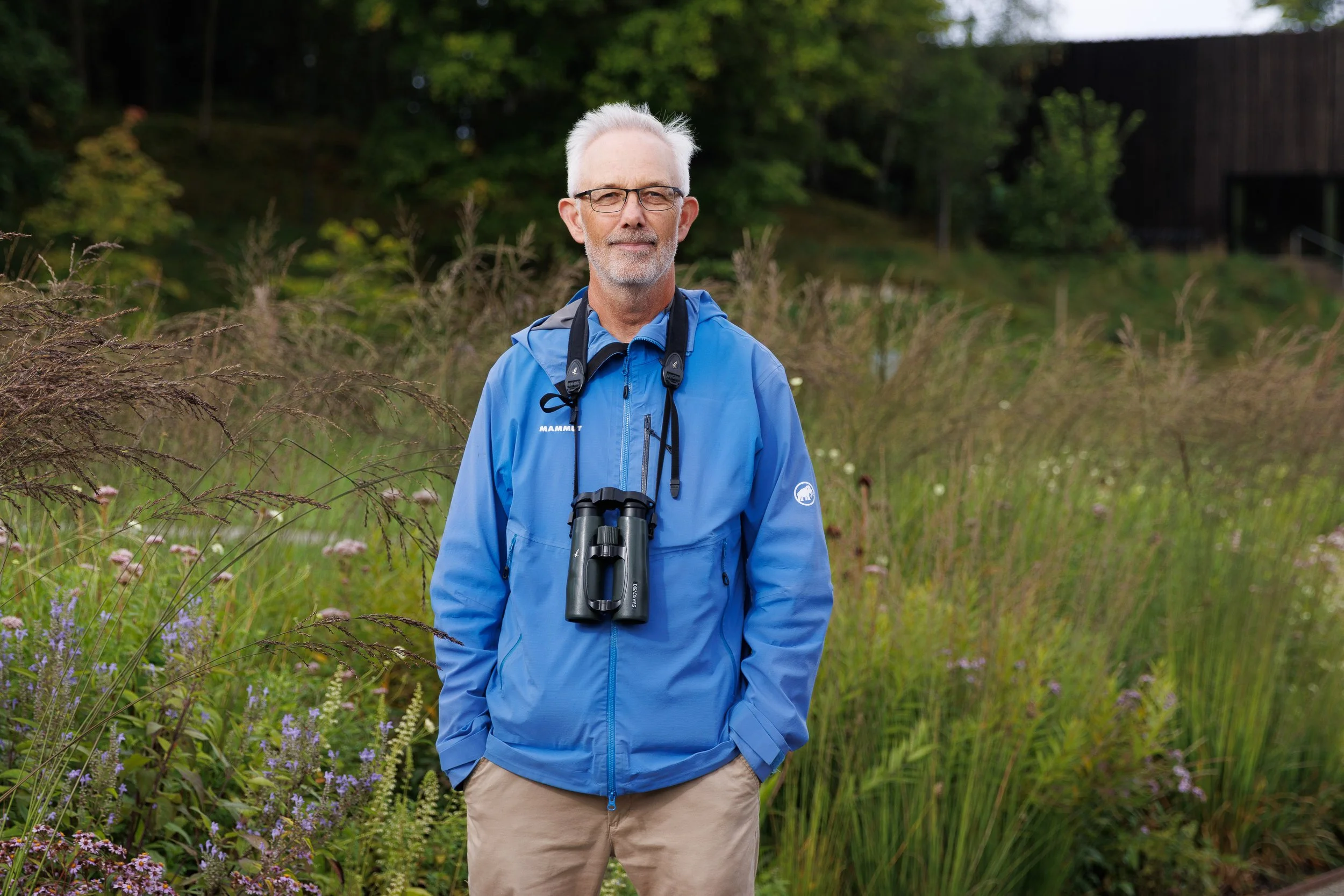
As students head home to Ås after the summer holidays and the autumn parallel creeps in like a cold shadow, the birds migrate to warmer climes. When we take NMBU’s very own bird expert, Svein Dale, on a walk through both wild and manicured landscapes on campus, there are many birds that are conspicuous by their absence. Even though some of the birds have set off on a journey south, we of course find birds with Svein. Where it is both beautiful, wild and wet, Svein shows us an entire ecosystem.
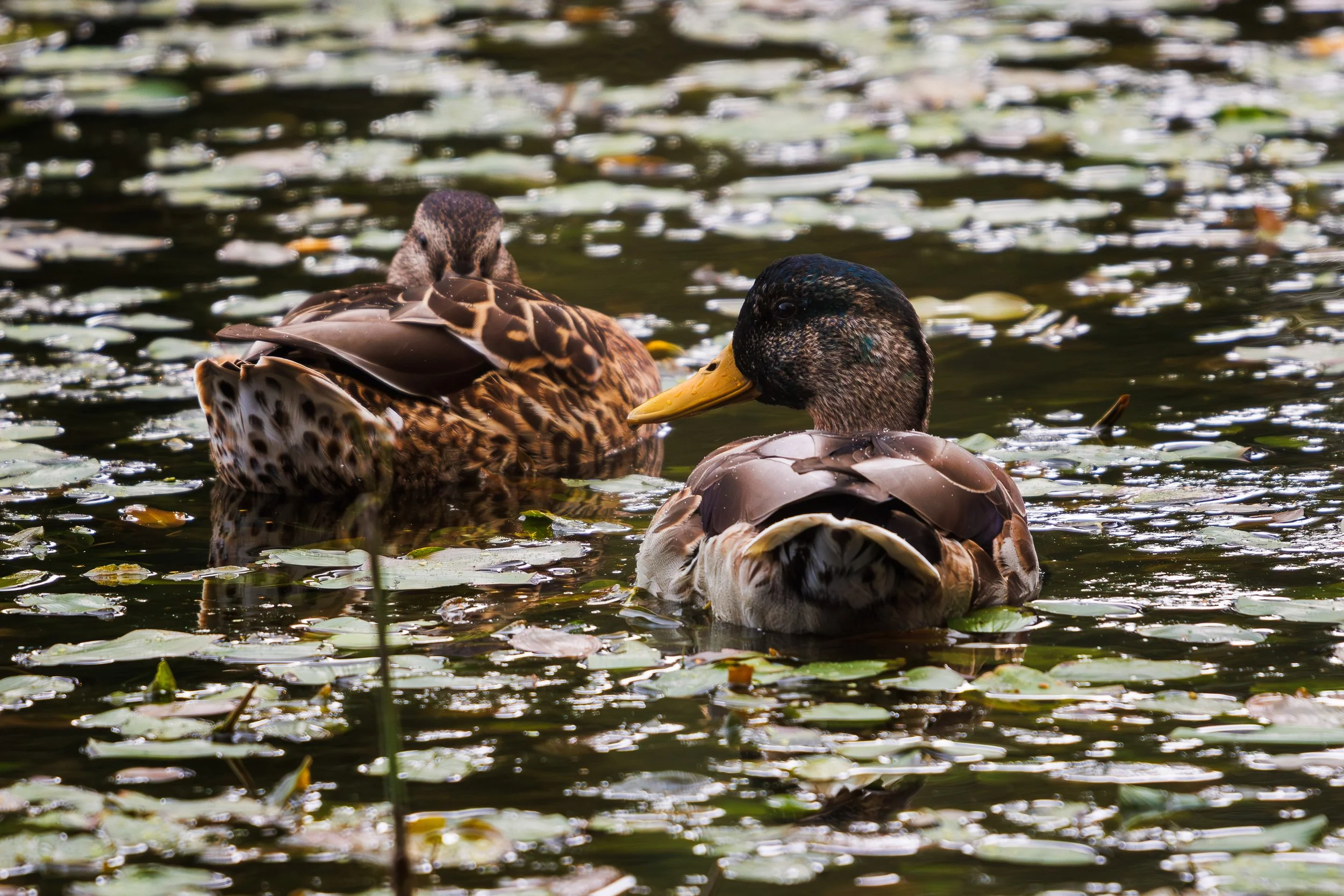
In the Swan Pond (popularly known as Andedammen), Svein can tell us about mallards, pintails and all sorts of strange things, even if we only get a glimpse of wagtail and chiffchaffs together with the bird expert. Although they were not to be found during our visit, it is the mallards that have mainly made their home in the Swan Pond and are the most observed bird here. The stylish pintail has also previously been observed. Svein says that the reason why other species can sometimes appear is that they take a break on the migration route. When they see water and other ducks that are thriving, it is a good signal for an approved travel stop. So just keep your eyes open, because suddenly you can experience a real bird-frolicking in our beloved swimming pond. Svein can also explain that the reason why birds thrive in the pond can be seen inversely proportional to our desire to swim there; Good bird ponds are nutritious and full of vegetation (something our swimming areas should ideally not be).
Far less common than mallards, wagtails and chiffchaffs is the mighty regent of Skogsdammen. You might have thought that it was PB who sat on the management and fishing rights here, but it is the magnificent common moorhen that dominates Aud Max’s large reflecting pool. The common moorhen is a red-listed bird that thrives in areas with runoff from agriculture and a lot of nutrients, like Skogsdammen, and with its large feet and good swimming skills, it is well adapted to life here. Svein tells us that the common moorhen is especially cool with its sharp tail that has sort of a white signal flag, which it waves as a warning to other birds that try to occupy its territory. Unlike the mallard’s willingness to share territories with other birds, this bird is very territorial and there is only room for two territories/pairs in the pond. If other birds get too close, the common moorhen will wave its white flag in protest. We were lucky to catch a glimpse of the common moorhen on our trip, so if you keep your eyes open on the way to Eika or Aud Max, you might spot it as it has been around the area recently.
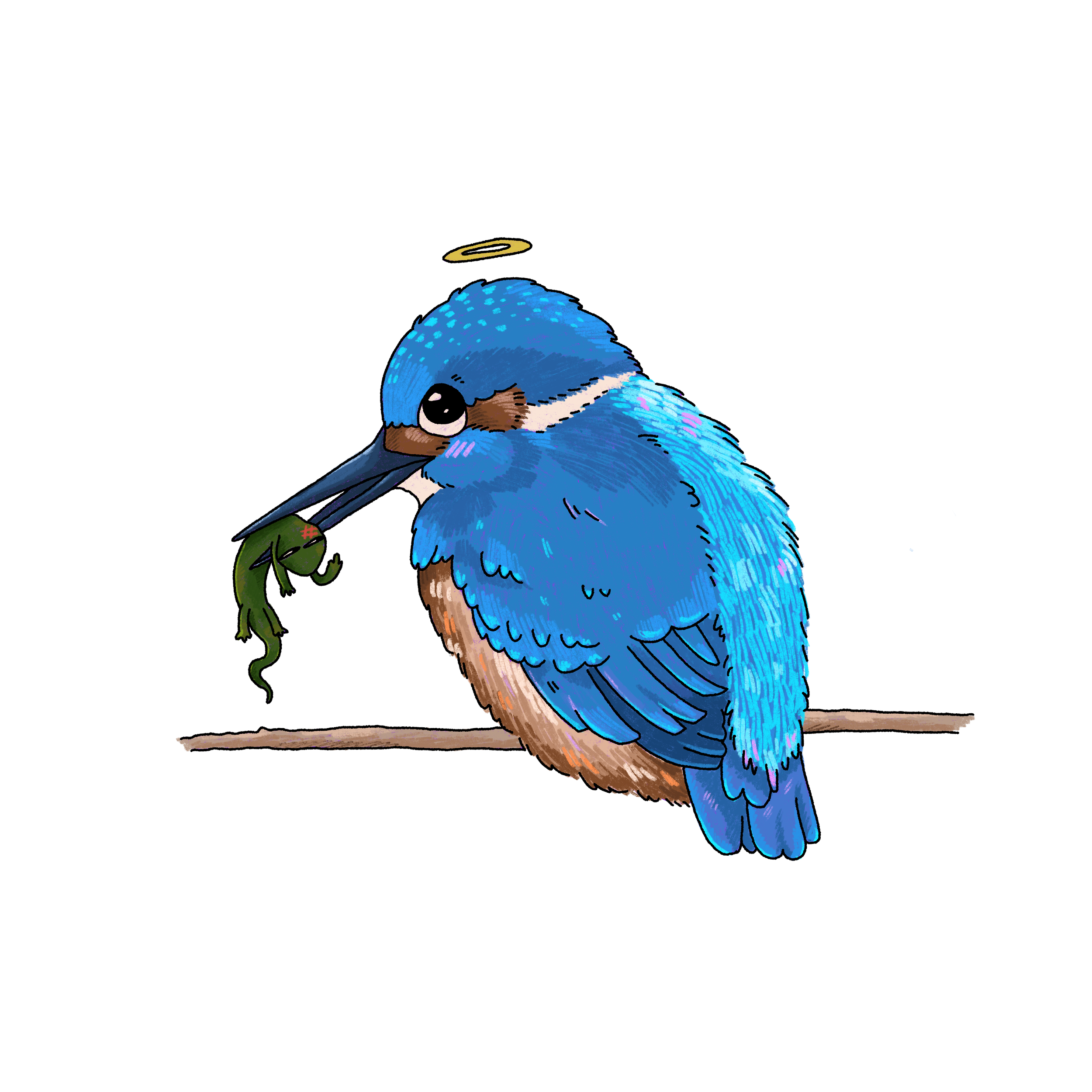
The ultimate nature experience can be had just a stone’s throw away from campus, namely at Årungen. We are not talking about a view of the rowing team’s training sessions, but about the teeming birdlife in the lush deciduous forests around Årungen. Our bird expert Svein elaborates, as if in a fever dream, about the 200 different bird species that can be found there. Among them is the common kingfisher, a species so rare in Norway that its existence seems mythical, with a blue and metallic plumage that gives it a spectacular appearance. It does not nest in Norway every year, so if you are lucky enough to see this miracle of a bird, it is truly a stroke of luck. That is why it is recommended to be patient and take your time on the trip.
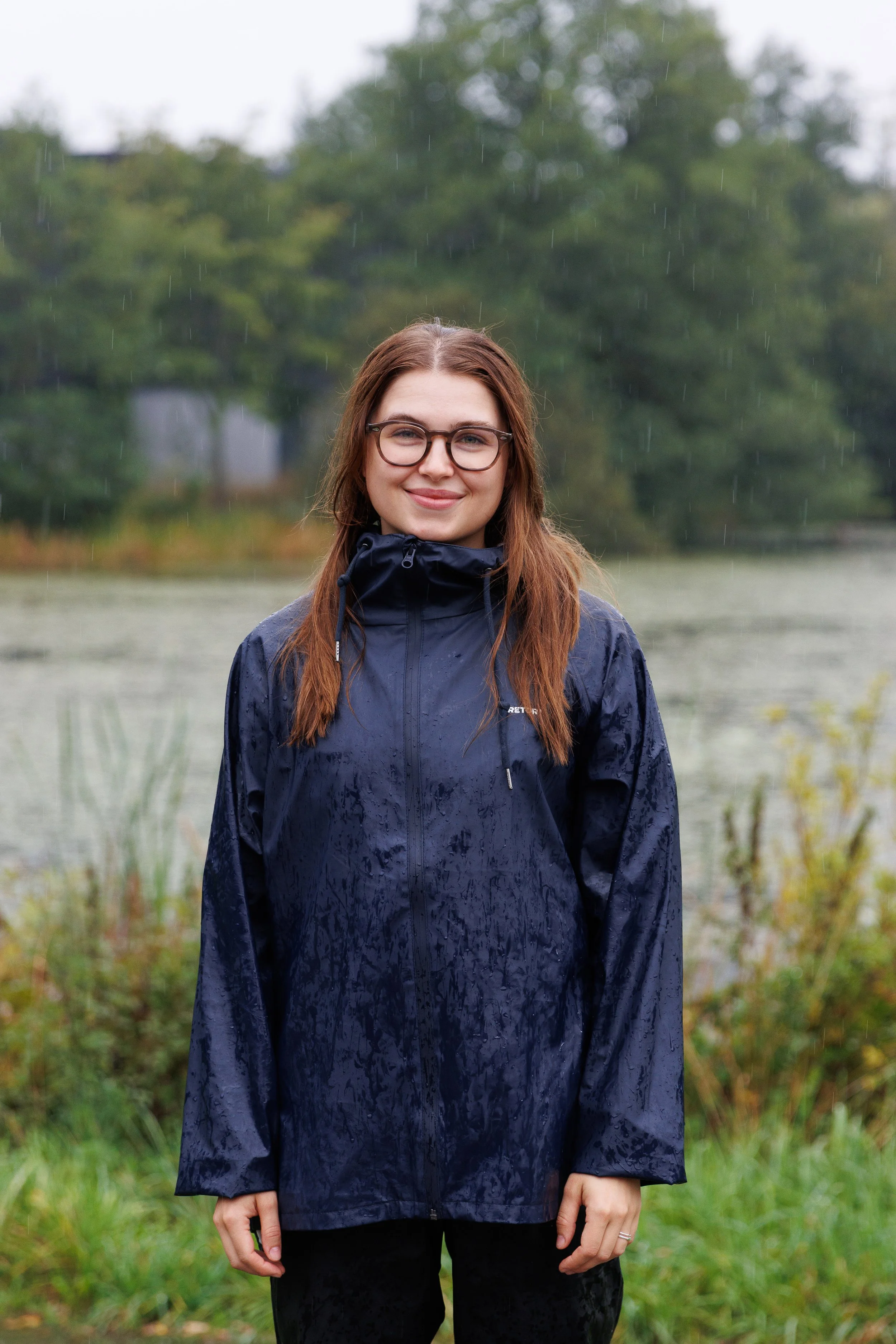
“By land, by sea and through the air,” goes the fairy tale about Askeladden and his good helpers - and on campus this holds true, since there is just as much life in the water as on land.” Sirianna Stormo Pettersen takes us below the surface and down into the depths of the various ponds on campus. She tells us with great enthusiasm that the previously reported fish deaths in Skogsdammen did not kill all the fish in the small pond. When she and some other students of Natural Resource Management set nets, they were able to haul in pike. The largest one they found was about 58 cm long. If your fridge starts looking a bit empty, you can grab a cheap dinner in Skogsdammen. It is not obvious that there is life in the pond, as it freezes to such an extent in the winter that the oxygen content gets very low. Sirianna explains that this is very difficult to avoid in artificial ponds.
Connected to Skogsdammen via a pipeline is its little brother Smilehullet. When Aud Max was built, not only was Skogsdammen created, but also the little pond on the other side of Samfunnet. Smilehullet also gives nature enthusiasts good reason to smile. Sirianna can tell Tuntréet that the small pond contains amphibians, as both the moor frog and the salamander have been found here. When she and her team surveyed the species in the pond, they found salamander larvae. She says that the salamander, in its early stages, depends on the wet terrain that Smilehullet can offer, but that by now it has most likely curled up beneath its winter blanket, and we will have to wait until spring to see it again.
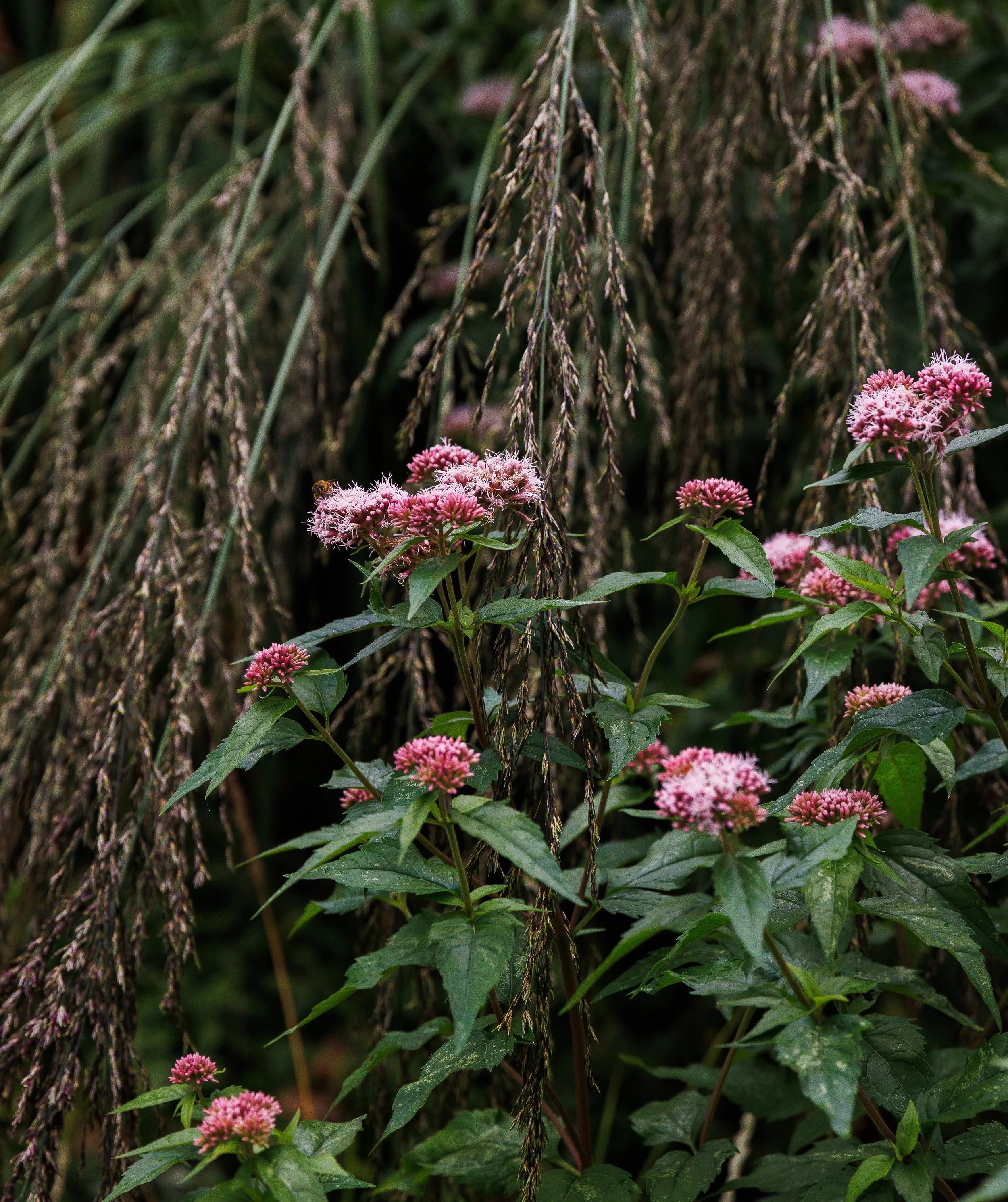
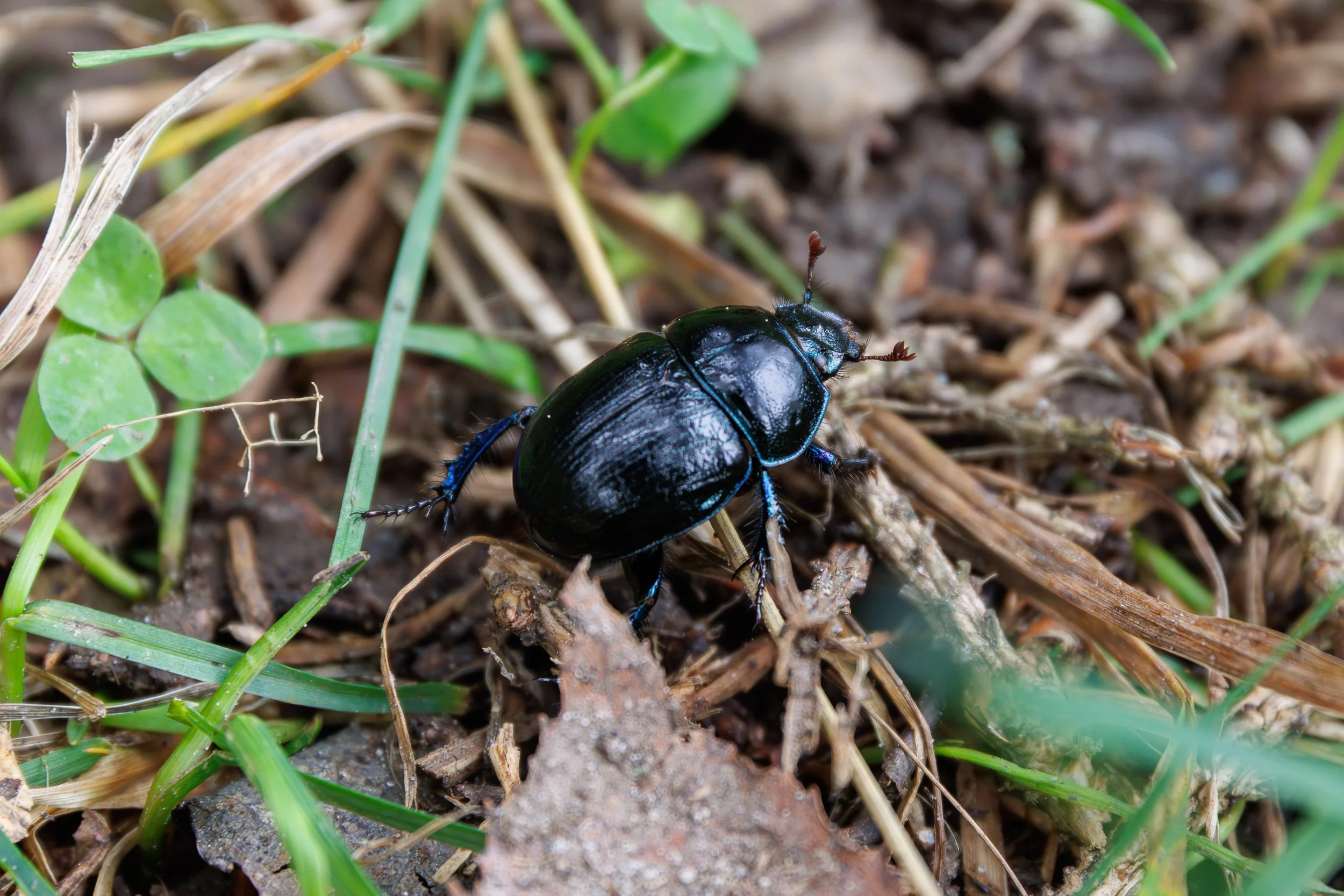
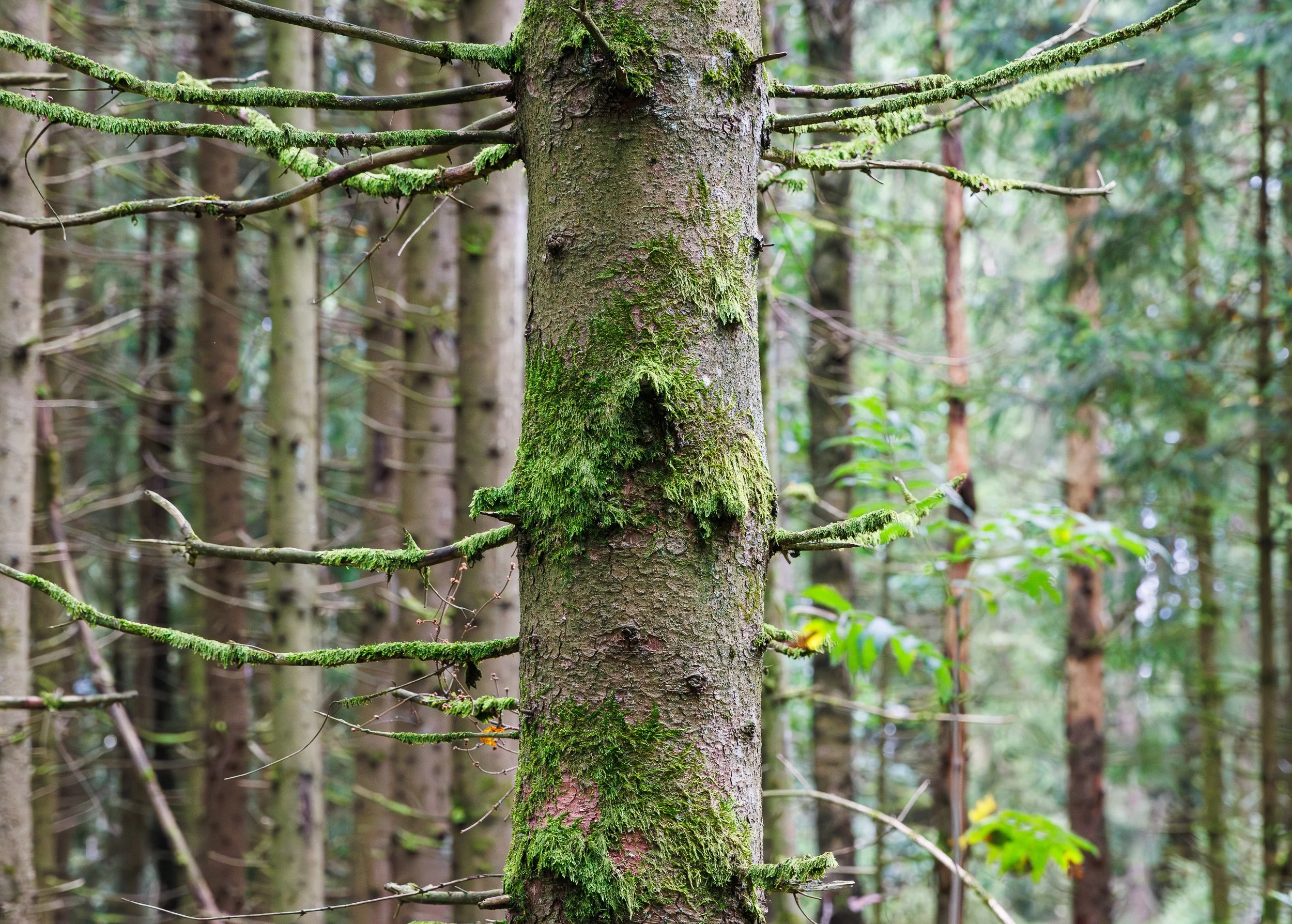
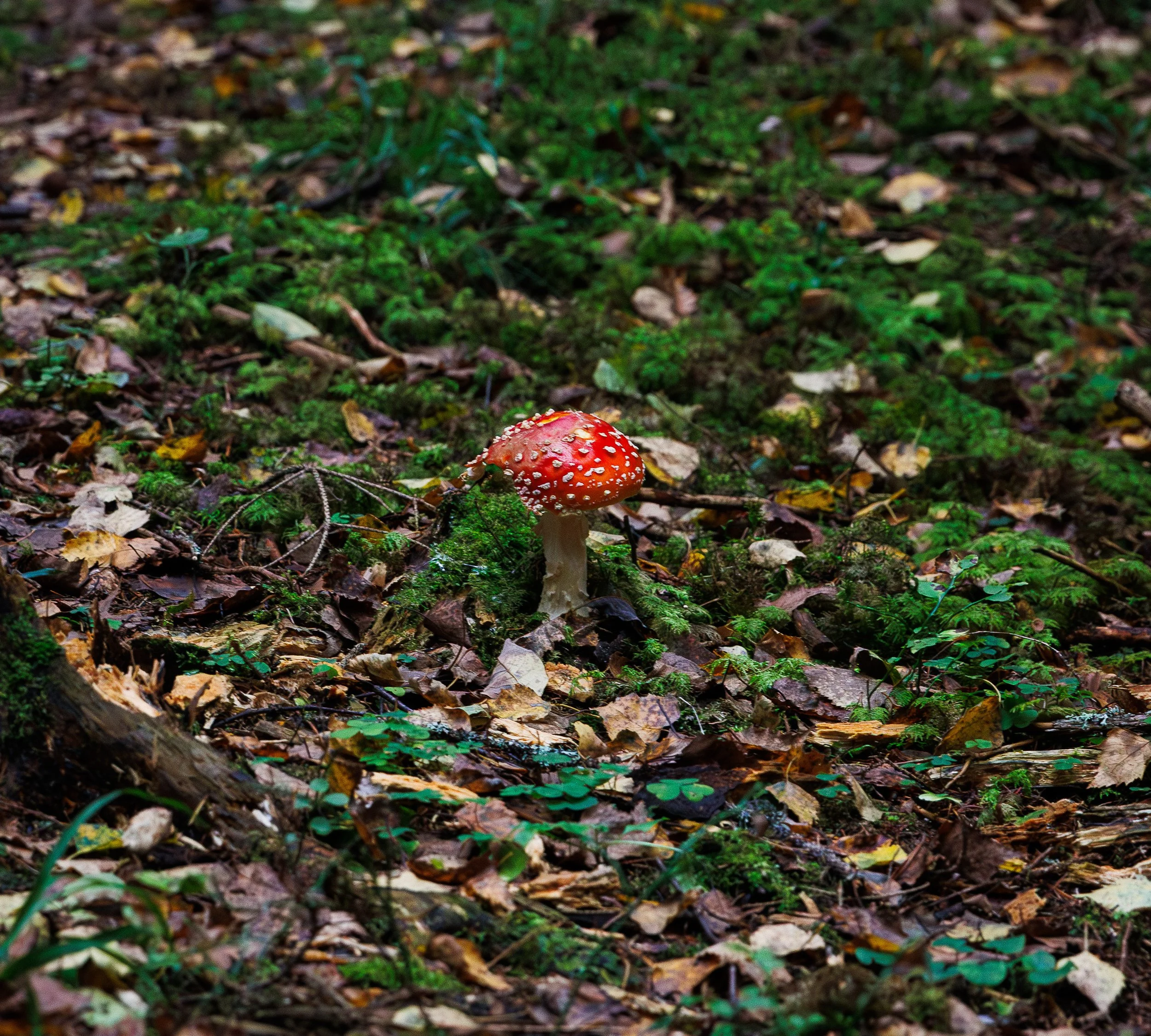
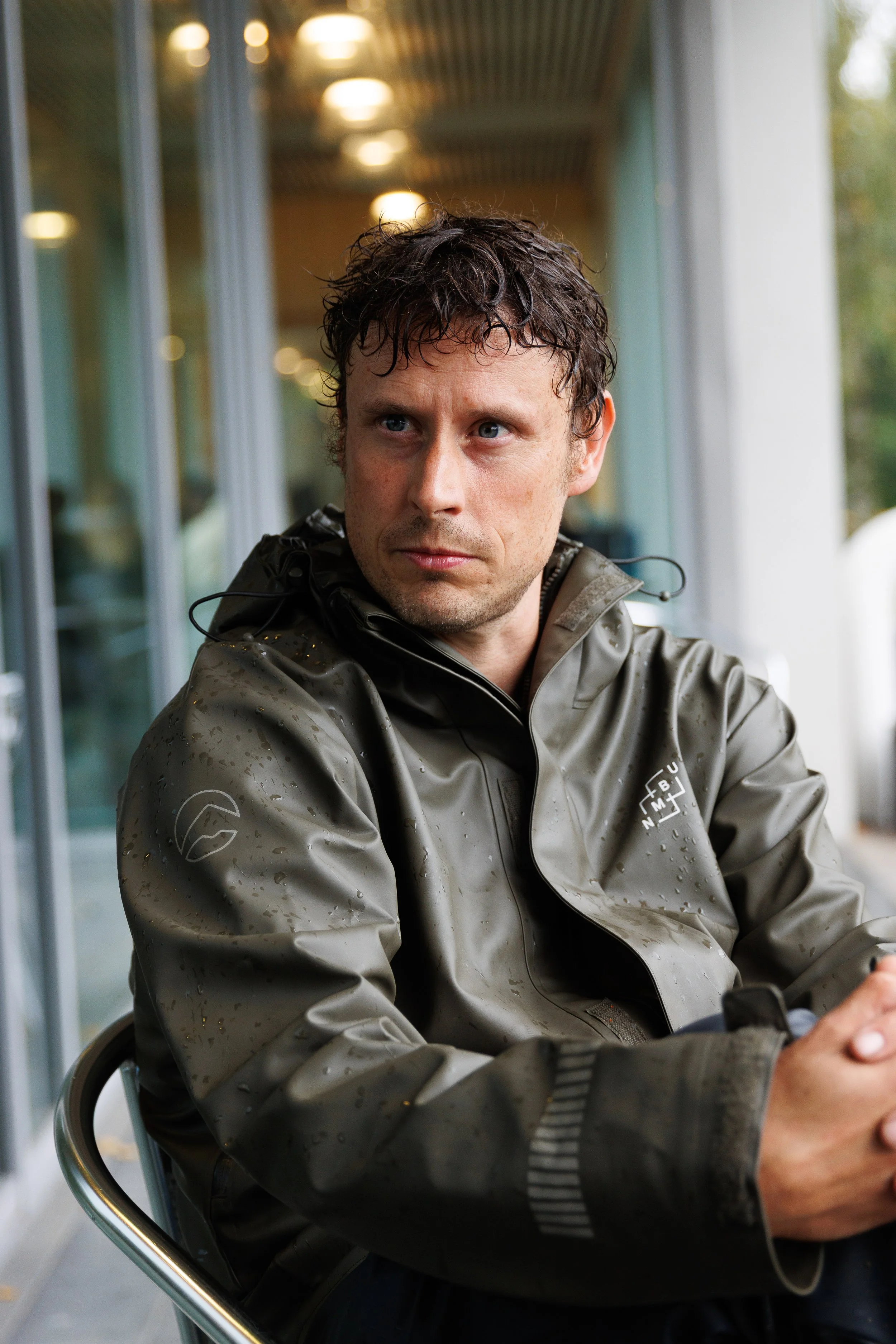
Even though there is plenty of life on campus, it is not a sprawling savanna or a boreal forest. In the special ecosystem of red-listed species, protected parkland and garden landscapes, the species population depends on both care and space to grow so they can thrive. NMBU’s landscaper, David Arnott, is among those who work daily to shape the landscape around the university both from the treetops and at ground level. He sees the loss of nature as the greatest threat to biodiversity and says that it can be difficult to find a balance between allowing nature to unfold freely while preserving the historic areas on campus in the best possible way. However, several measures are being taken to facilitate nature on campus. There are some areas with meadows that are allowed to grow freely, while in other places there are stumps that form a good habitat for insects and thus also for birds, among other things. When David travels in the diverse treetops on campus as an arborist, the trees are also carefully cared for by breaking branches instead of sawing them to create a better insect habitat.
Walking around campus is like a little treasure hunt where you can find real gems and a bit of trinkets (although all nature is equally valuable). Sailing on the blue planet that houses both huge whales and Siberian tigers, it is important to remember that it can be just as wonderful with the pike in Skogsdammen and the other natural wonders that hide right outside your own door. Sure, the Galápagos is great, but honestly, so is Ås.