When campus becomes unsafe

When campus becomes unsafe
On December 19th, 2022, the Norwegian Government received Straffelovrådet’s (Criminal Law Council) report on the subject of consent and sexual offenses, which proposes an update in the Samtykkelov (Consent Law). These changes could solve the problematic nature of the law, which hinders the understanding of what voluntary sexual relations are.
Journalist: Elina Turbina
Illustrator: Viktor Talgø Syvertsen
Defining sexual misconduct
The current Norwegian definition of rape that is punishable by law presupposes violence or threatening behavior in which the victim is unconscious or unable to resist the act. The proposal extends such a definition to any sexual intercourse in which one of the parties does not want it and expresses so through words or actions. Similarly, the council proposes strengthening the law regarding the grooming of vulnerable persons into sexual acts, which, for instance, could be done through drugs and alcoholic substances.
This, among other updates proposed to Samtykkelov, are a vital step in order to create awareness of what consensual relations actually entail, as well as bringing justice to more victims of sexual assault. However, the new definition of rape is yet to appear in the law, keeping sexual misconduct a grey area subject in Norway.
Never OK?
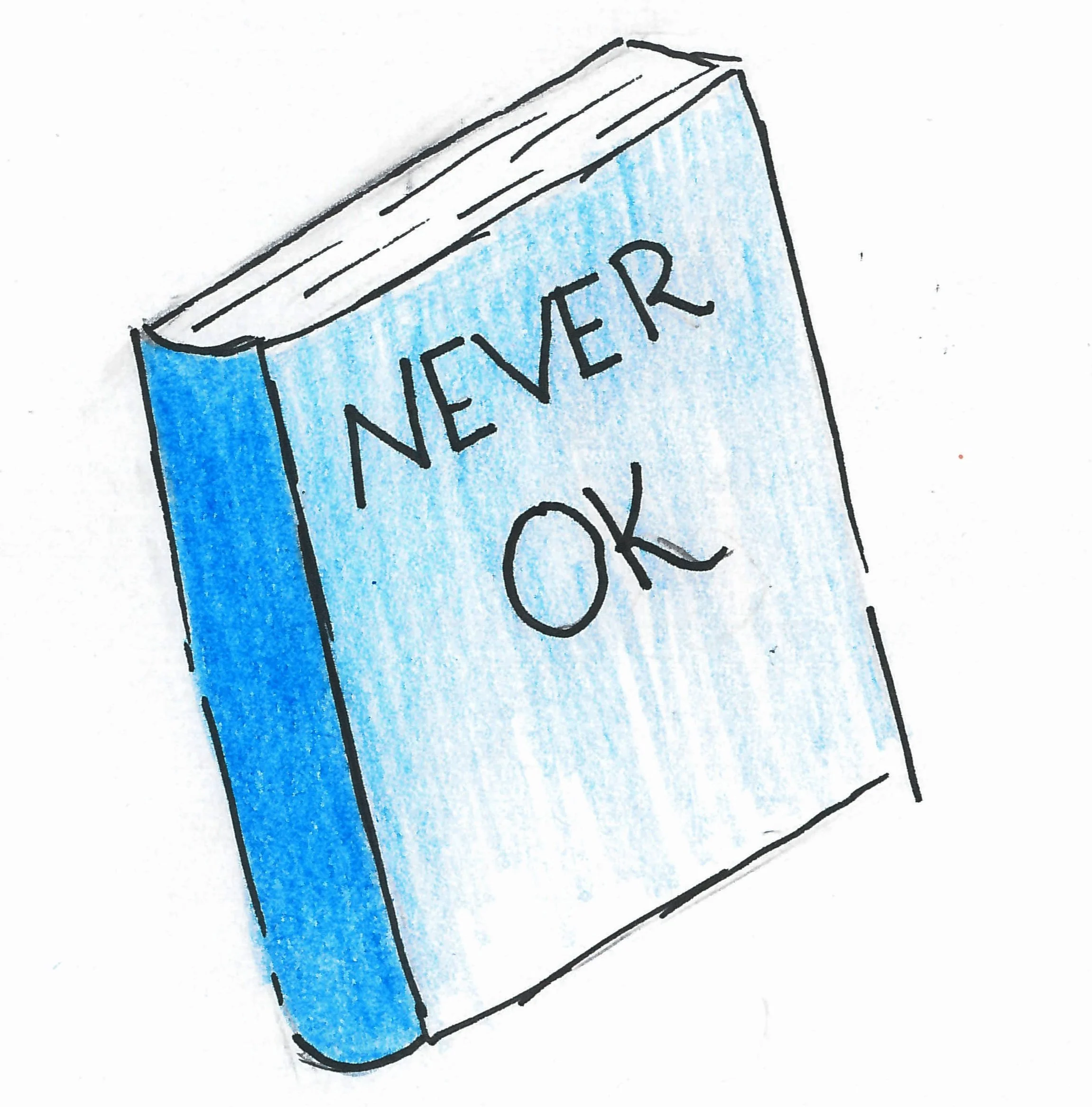
At Ås, the discussion on sexual misconduct has been a persistently relevant topic ever since the emergence of the #METOO movement. In 2018, NMBU, SiÅs, Ås Feministiske Studenter, and Samfunnet i Ås have signed the ALDRIOK (Never Ok) campaign to commit to making campus a safe and inclusive environment without discrimination or abuse. There have been regular debates on the issues of consent and harassment, some of which we have covered in the past five years, and not without a reason. In a TT-taboo article about setting sexual boundaries (TT09; 2017), 27% out of 568 respondents answered that they have experienced sexual harassment at Ås.
It seems that, much like in the current consent law, the concept of consent is not wholly understood on campus. We sign campaigns and uncover inappropriate dynamics on campus, yet the cases of sexual misconduct keep showing up in the local digest semester after semester. Although it may not seem like it, the campus is far from being a safe place for each and every student.
Reporting at NMBU
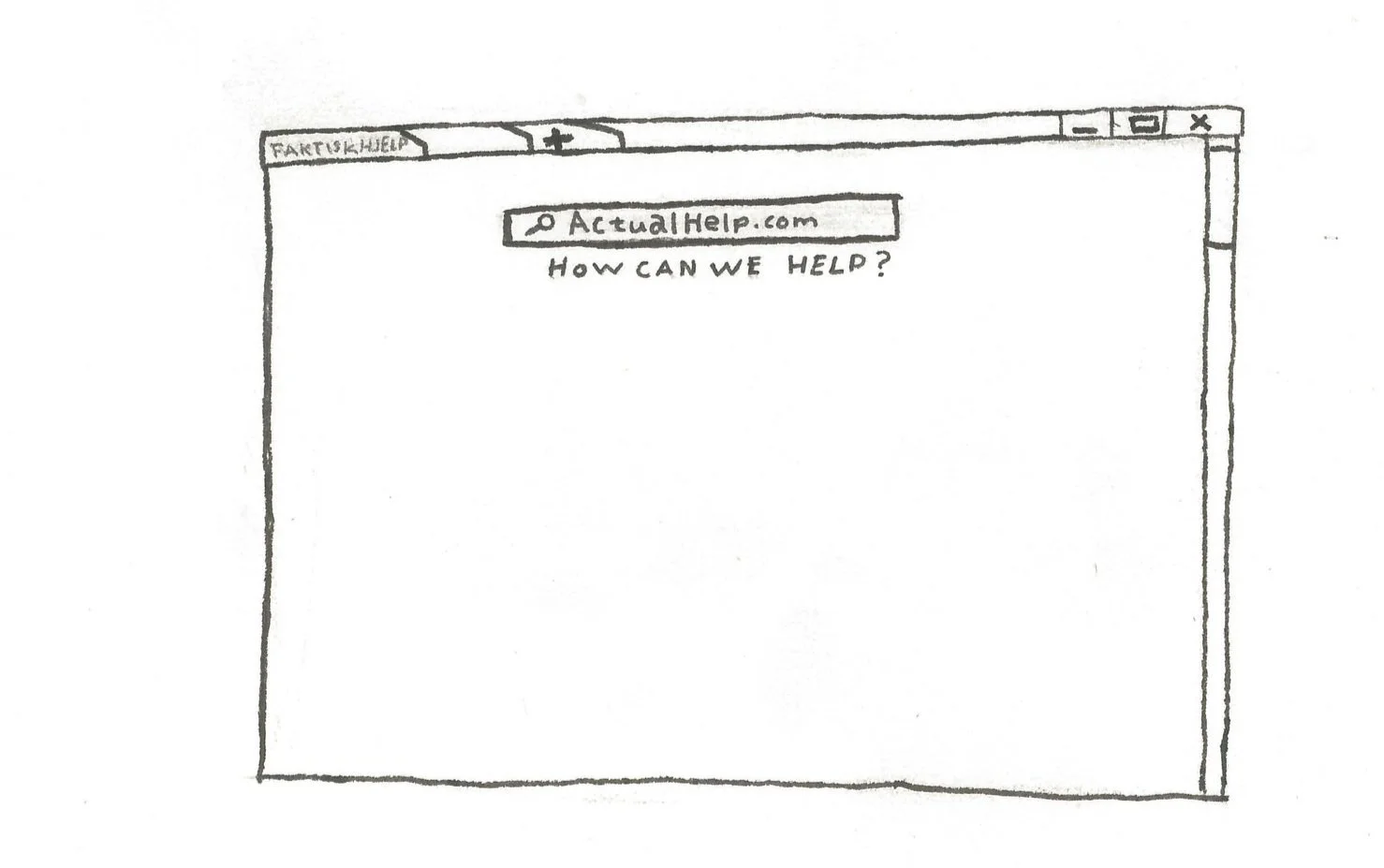
Currently, the system of reporting cases of harassment or sexual misconduct is insufficient in keeping the students and staff safe. In the debris of the NMBU’s webpage, there is a section called Si Fra! (Speak up!). It provides numerous lists upon lists of staff to report to, and a similarly broad list of entities at NMBU and outside of it. After the long list of various contact points and ideas on how to act after something uncomfortable happened, one can finally find a link to an outside source called HMS-Håndbok (available only in Norwegian), in which one must once again look through the same list of information until you actually find out that there is a direct form for reporting inappropriate acts on campus. This is not a form specific to sexual misconduct, which can be confusing for those trying to find a procedure outline for immediate support in the case of assault.
Neither Samfunnet’s webpage nor SiÅs’ provides any information on what to do in case this situation happens on their respective territories.
Such a confusing and complicated way of treating a delicate, and sometimes plainly traumatic event can make those reporting less motivated to seek help and support from the university, and that is absolutely not the standard the university should have for their students and staff.
Changes coming
The Student Parliament’s Student Board (AU) has made it a point of their action plan for this year to ensure that this process is streamlined in the university and institutions related to them and that there is more awareness of what is and is not acceptable at NMBU. Although the law has yet to clarify the commonsensical nature of consent and assault, we as young, informed people should understand that the morality of our actions is more important than the improper legislation.
According to an AU member Åse Vigdisdatter Nytrø, NMBU is getting a revamped website in the nearest future. With this change, AU and the journalist of this article are working on making the university system for reporting sexual misconduct simple and more proactive: introducing an easily accessible direct portal for reporting, providing a smaller set of contact persons that can urgently take up the reported case, as well as ensuring sufficient information on resources a student can take advantage of in instances of crisis both at Ås and in the closest localities. Additionally, the subject of consent should become a widely understood concept on campus. This means seminars for new students and association leaders, promotion of tools and resources on this subject, and intolerance towards harmful behavior.
Treating the root of the issue
NMBU should treat the root of the issue, not just the symptoms. That means treating cases of sexual harassment seriously and allowing the space for uncomfortable discussions and confrontation of your own beliefs about how one’s actions can affect those around you. Lastly, if you are unsure whether you are potentially harassing someone: if it is not a ‘fuck yes!’ from you and/or the person you are trying to engage in something with – it is a ‘fuck no’
Here are some sources you should use in case of seeing/experiencing sexual misconduct:
Police: 112
Legevakt (out-of-hours medical service): 116 117
Vold- og overgrepslinjen (violence and abuse hotline): 116 006
Hjelpetelefon mental helse (mental health hotline): 116 123
Crisis and incest centre in Follo: 64 97 23 00, post@kisif.no, Langbakken 9, Ås
Sexual Assault Centre by Legevakten in Oslo (open 24/7): 23 48 70 90, Storgata 40, Oslo. Oslo Crisis Centre: 22 48 03 80, postmaster@oslokrisesenter.no
NMBU (for the time being): Visit the page “Report censurable conditions (form)” and use the link to the report portal (fourth link on the right side of the page).
If you are unsure of who to talk to about your situation, contact AU: studenttinget@ nmbu.no, U118, or NMBU staff like Iben Andersen (Head of the Student Information Centre), 97103845, iben.andersen@nmbu.no, and Bodil Norderval (Case manager at The Department of Academic Affairs and the Secretary of the Learning Environment Committee), 97179673, bodil.norderval@nmbu.no.