ALUMNI: MARI S. AUSTIGARD
ALUMNI: MARI S. AUSTIGARD
Journalist: Martin Hansebråten
Photographer: Tuva Hebnes
Translator: Rebekka Berg
Web-distributor: Martha Ingeborg Evensen
Education: Forestry, majoring in wood technology
Done: 1998, PhD 2010
Job: Senior consultant at Mycoteam
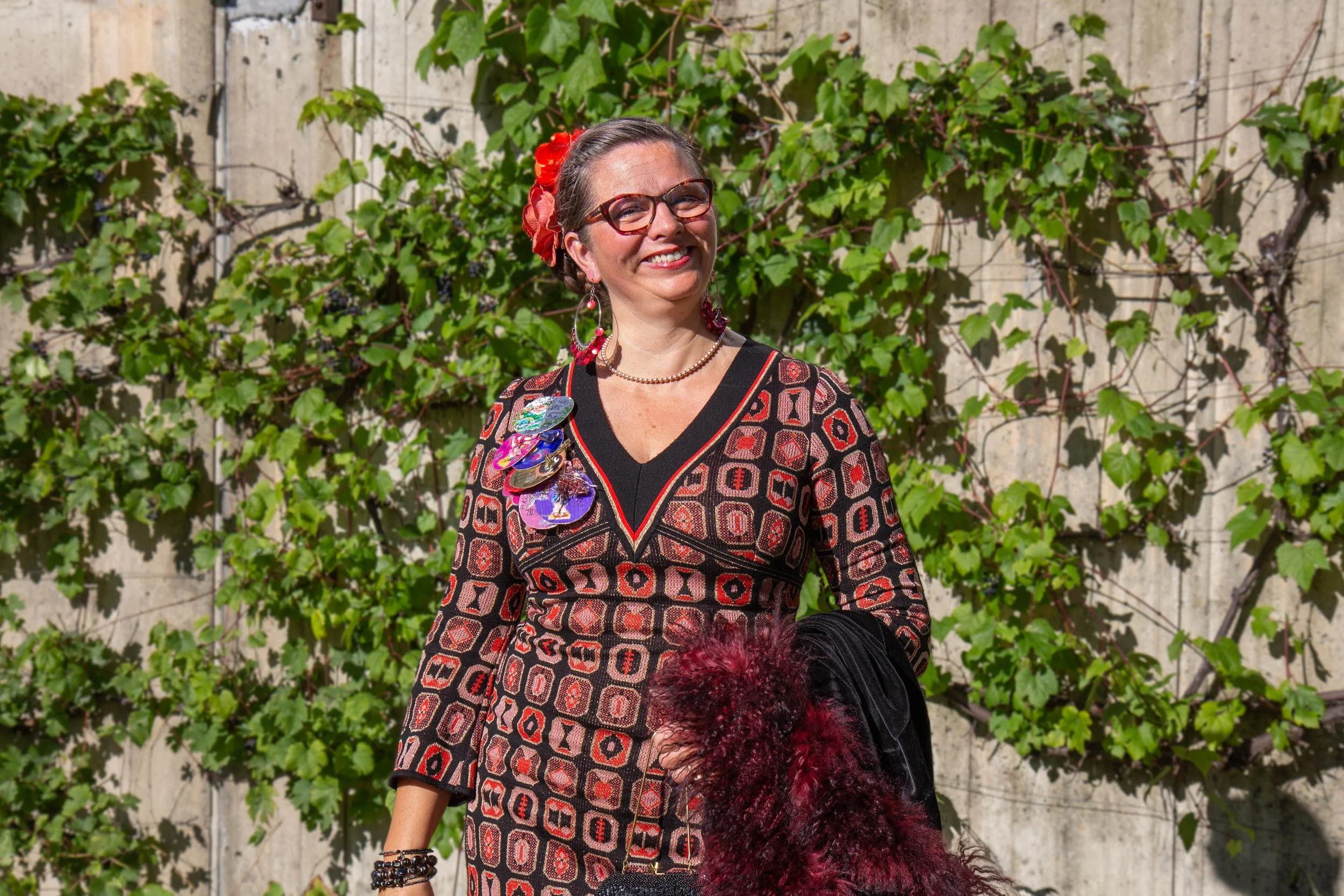
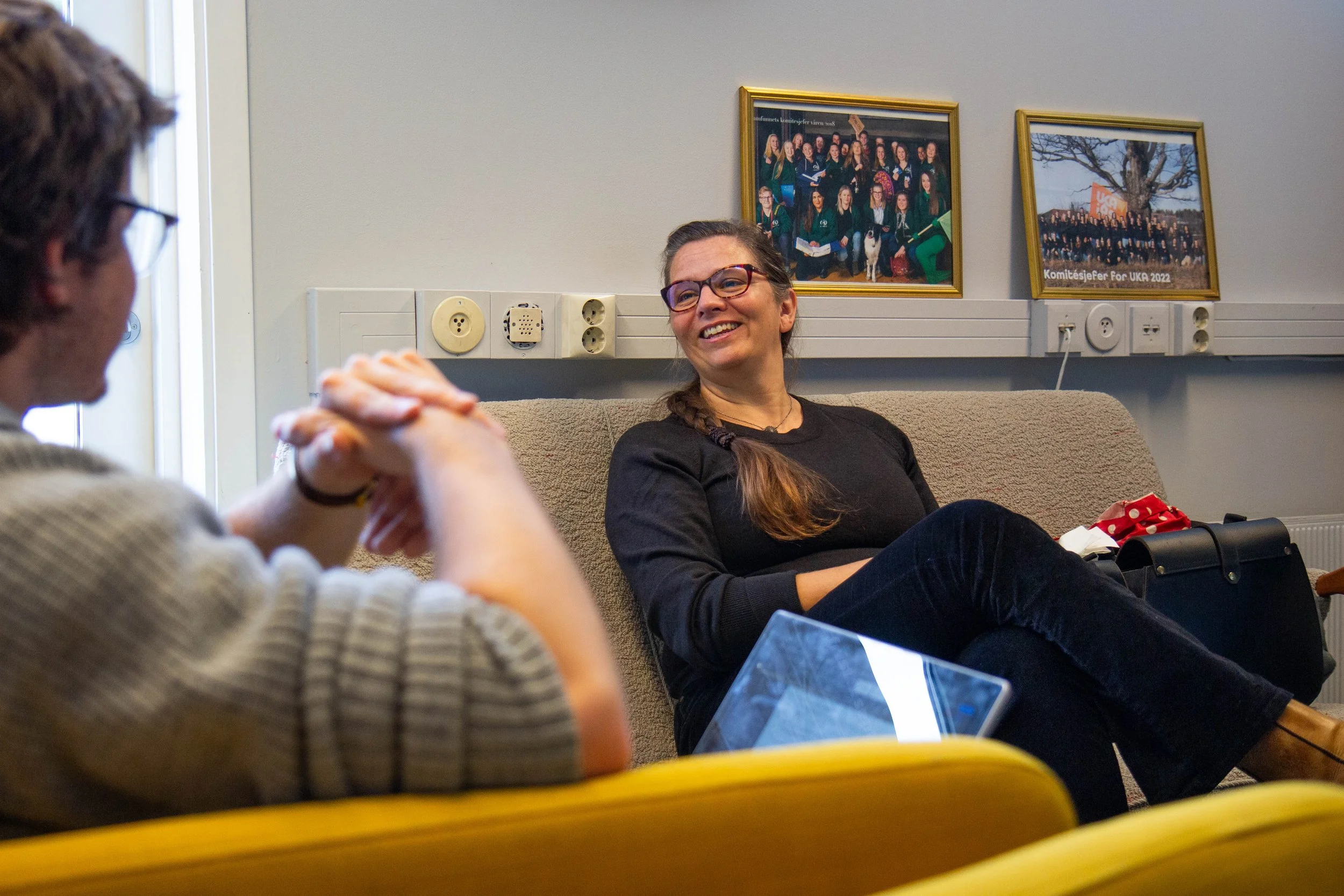
A smiling and eccentric lady walks in through the door of the Tuntreet office on a Saturday morning and introduces herself. It’s Mari Austigard! In fact, the first female wood technologist who also has a background in Forest, Environment and Industry. She is actually going to a PB event, but has taken some time to talk to Tuntreet about life after her studies.
TT: How was the path after university and how did you get your job?
Austigard: Yes, for many the path is a bit here and there. I worked for a year for the Swedish Timber Industry Association, and then I worked for a while for the Norwegian Building Engineering Agency. Before I was back in the construction industry’s national association, where I dealt mainly with HSE. I then started a PhD. During my PhD, I found out through people I know that Mycoteam existed and that there was a vacancy there. It is also partly because one of my supervisors had a connection to Mycoteam, and it fit the profile of my PhD very well.
TT: What does a normal workday look like for you?
Austigard: Mycoteam works with damage in buildings; primarily moisture-related things. My working day is very varied. It can be about me being out all day and doing an inspection of a building - that building can be anything from a stave church from the 12th century, to a completely new building in solid wood. Mostly it has something to do with woodwork. Since I am a wood technologist, I get a lot of them (the projects). Or it could be that I sit in the office and write reports and attend meetings. As you have been in a place [a job] for a while, you wear many different hats and suddenly find yourself in a lot of meetings.
TT: What made you land your dream job?
Austigard: It was partly coincidental. I knew someone who works there and was advised that if I want a part-time job in Mycoteam, now is the time to apply. There were many people on maternity leave at that time, there was suddenly a lot to do and a lack of people. Plus, my doctorate is a great fit. It concerned water absorption in wood, with and without surface treatment - considering the risk of rot. I basically had all the theory they needed. I really just needed to learn how to go out on inspections, and to use a knife to check if it’s rotten or not. It was simply a combination of the right direction on education and networking.
TT: What were your interests during your studies, and has it influenced your work now?
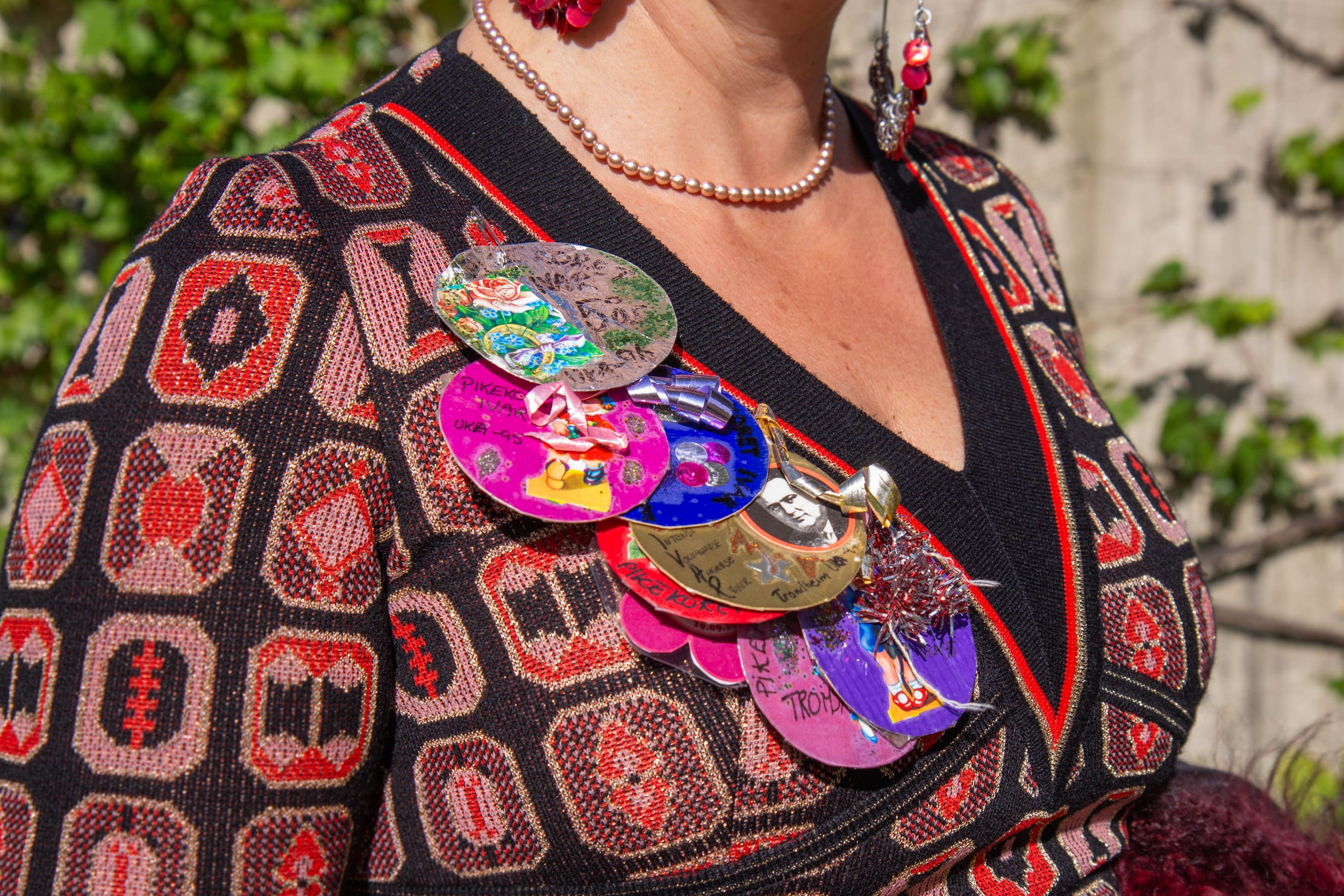
Austigard: Yes, it has! When I studied, I probably had the most weighted numbers [credits] at Samfunnet, if I’m going to weight it as a subject. But there was little to do with serious matters, such as politics and the Board of Samfunnet. I was in the girls’ choir IVAR and took part in the revue in 1994. As I was in IVAR for several years, it meant that I got many roles. I was a leader for a year, I was a conductor for a year and things like that. You gain experience in managing something and experience in organizing. Plus, my interest in singing only grew from being in a choir. It’s not very relevant to the job like that, but it still gives me a lot.
TT: Has the study time contributed to anything else?
Austigard: There is a surprising amount of what happens outside [the lecture hall] that you will find use for. You should learn and learn from other people. Dealing with other people is a surprisingly large part of working life. You must be able to adapt to different people and you don’t learn that very well in a lecture hall. You can perhaps learn something about it in a colloquium group, but it is mostly about life outside.
TT: What were your best memories during your studies?
Austigard: In general, I remember that whole period as a good time. A time where I made friendships that I still have today and got a girlfriend that I have to this day. But as a single memory, I want to highlight the revue. Being part of the acting group in a revue is absolutely fantastic and immensely educational. I was lucky enough to live in a small house, down towards Korsegården, together with two other girls and just that setting, that house and those people are some of the most important things that remain as good times.
TT: Do you have any future plans?
Austigard: I probably envision myself being where I am, even knowing that my job is quite physical. I have to go out to the building a lot and to a large extent crawl in the attics and crawl down into the basements. It requires the body to be fit, but I feel very comfortable there. It is very open to new ideas and fields of interest, the reaction is not “no”, we don’t have the opportunity to do that. Rather “Yes, but try”. It gives great freedom. In addition to the fact that it is very interdisciplinary, and I learn from everyone I talk to at work. You develop your head all the time.
TT: Do you have good advice for new students?
Austigard: My main advice is to study something that you are interested in, and not something that you think will get you a good job. When you come out, the vast majority of people get a job that does not fit right into the framework of their education. Do something you think is fun. Don’t be afraid to live. Feel free to take on a position, and if you get the opportunity to take on a bigger position - then do it. It provides tremendously good experience. And join a union, preferably as a student, but at least when you start working.