Internæsional æffairs: BLINDER’N
Internæsional æffairs: BLINDER’N
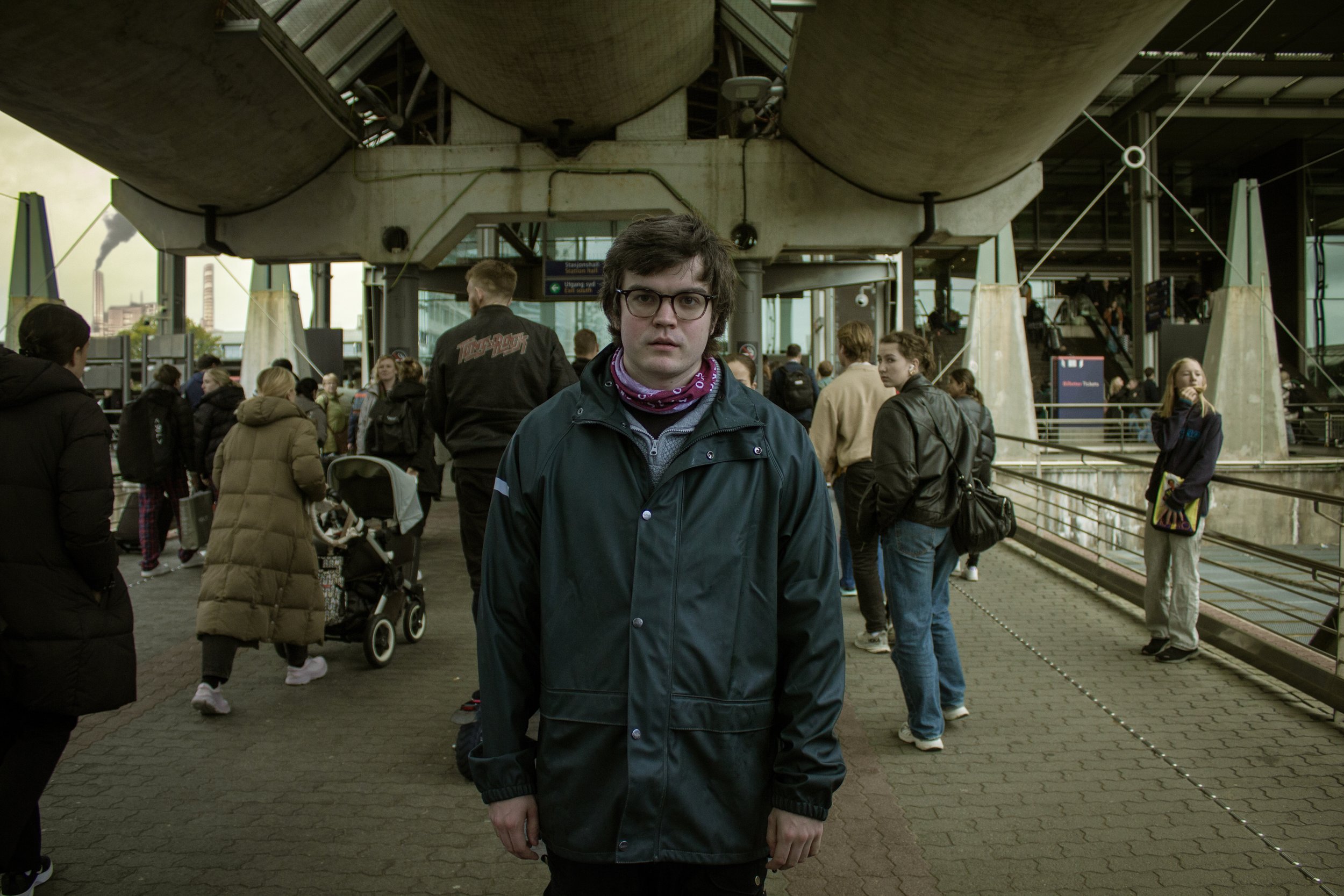
Kristiania, a mysterious and ungodly place. The joyful green colour that encompasses the woods, fields, and parks of Ås is replaced with grey tarmac and paved streets and an unmistakable smell of particulates. In the middle of this jungle, we find Blinder’n. The school which certain people of Kristiania consider the best in the country, however, is this school really what it claims to be? This is what myself and my faithful colleague Tord™ would find out!
Foreign Correspondent: Martin Hansebråten
Field Photographer: Tord Kristian F. Andersen
Translator: Natalie Nazareno
Web-distributor: Martha Ingeborg Evensen
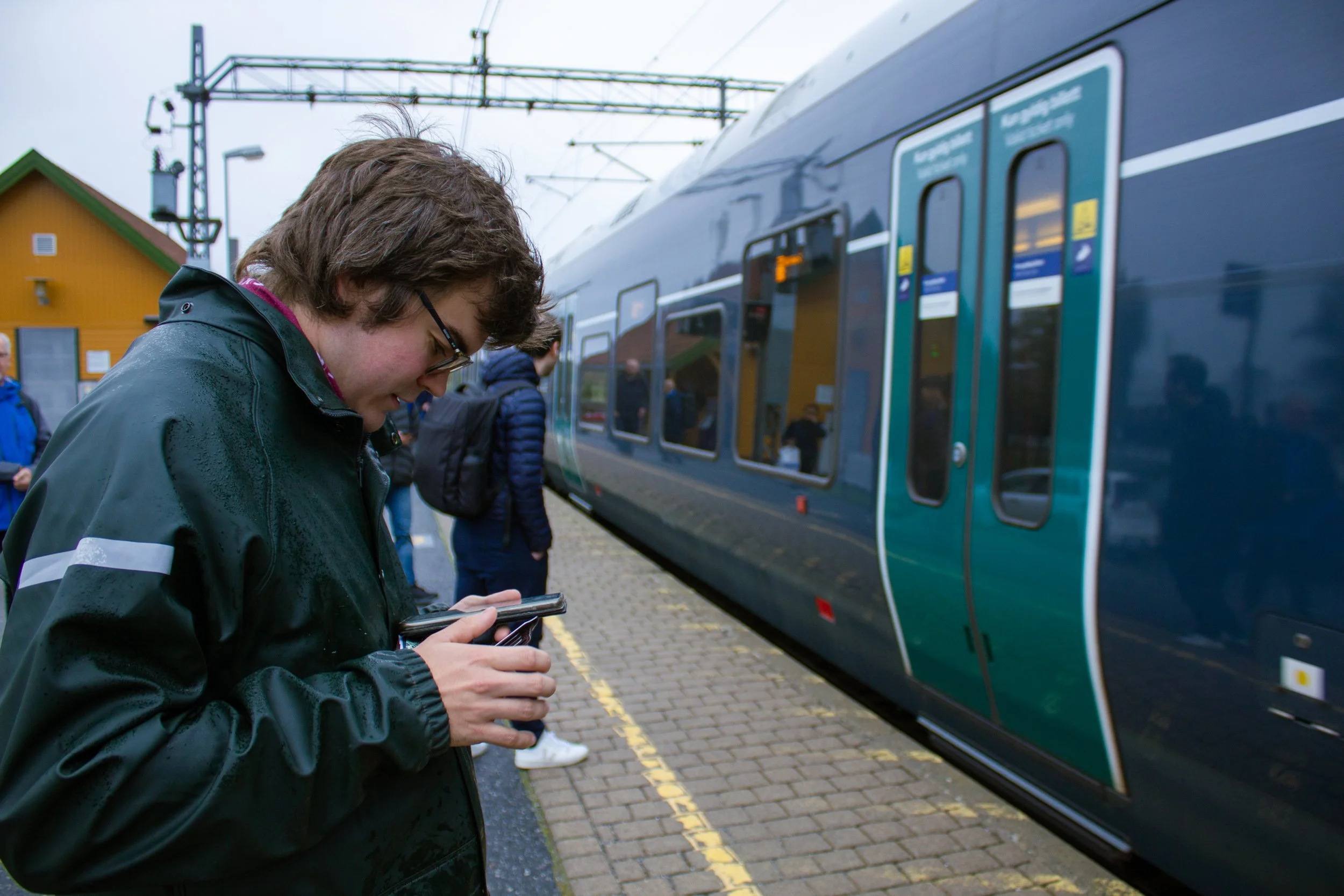
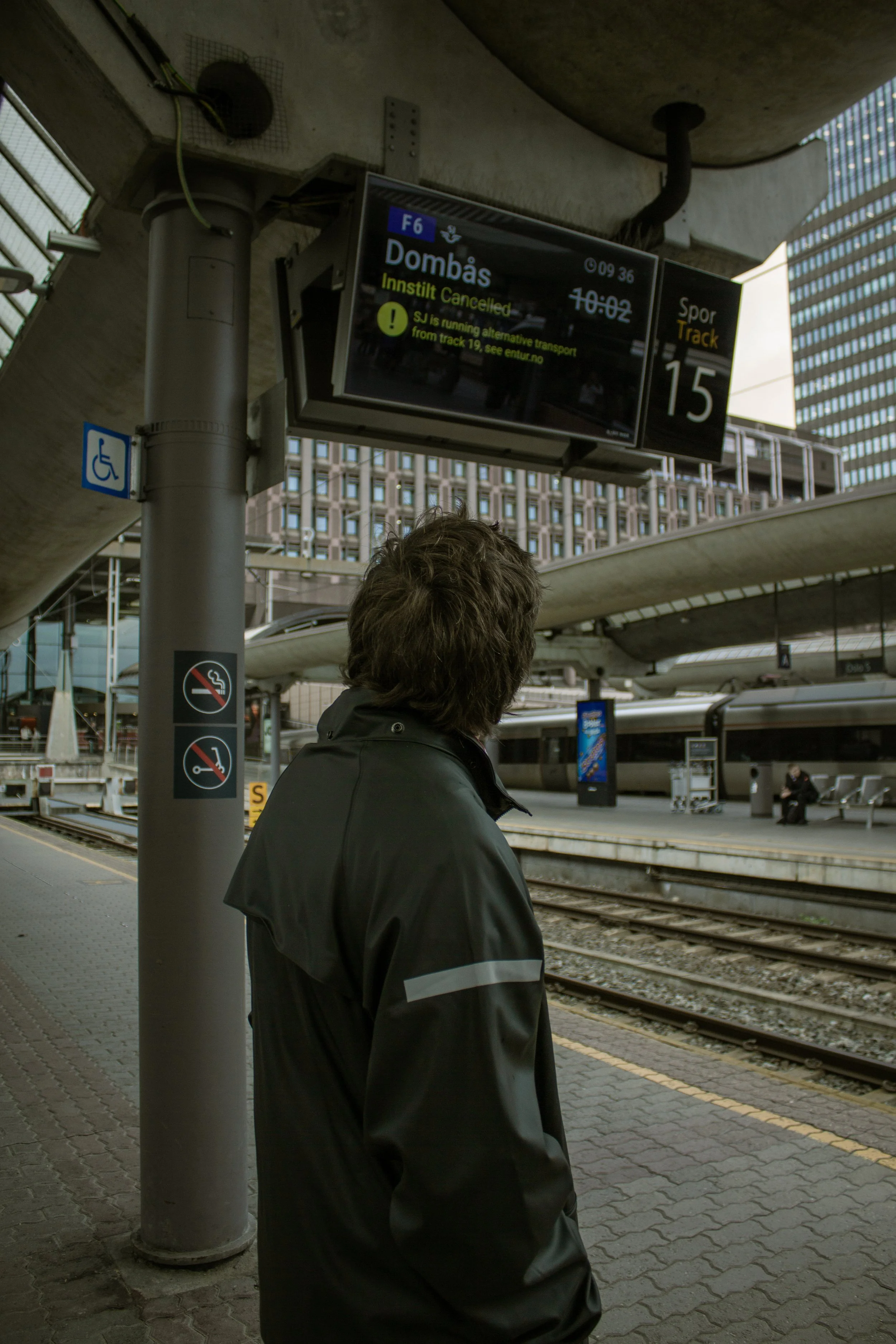
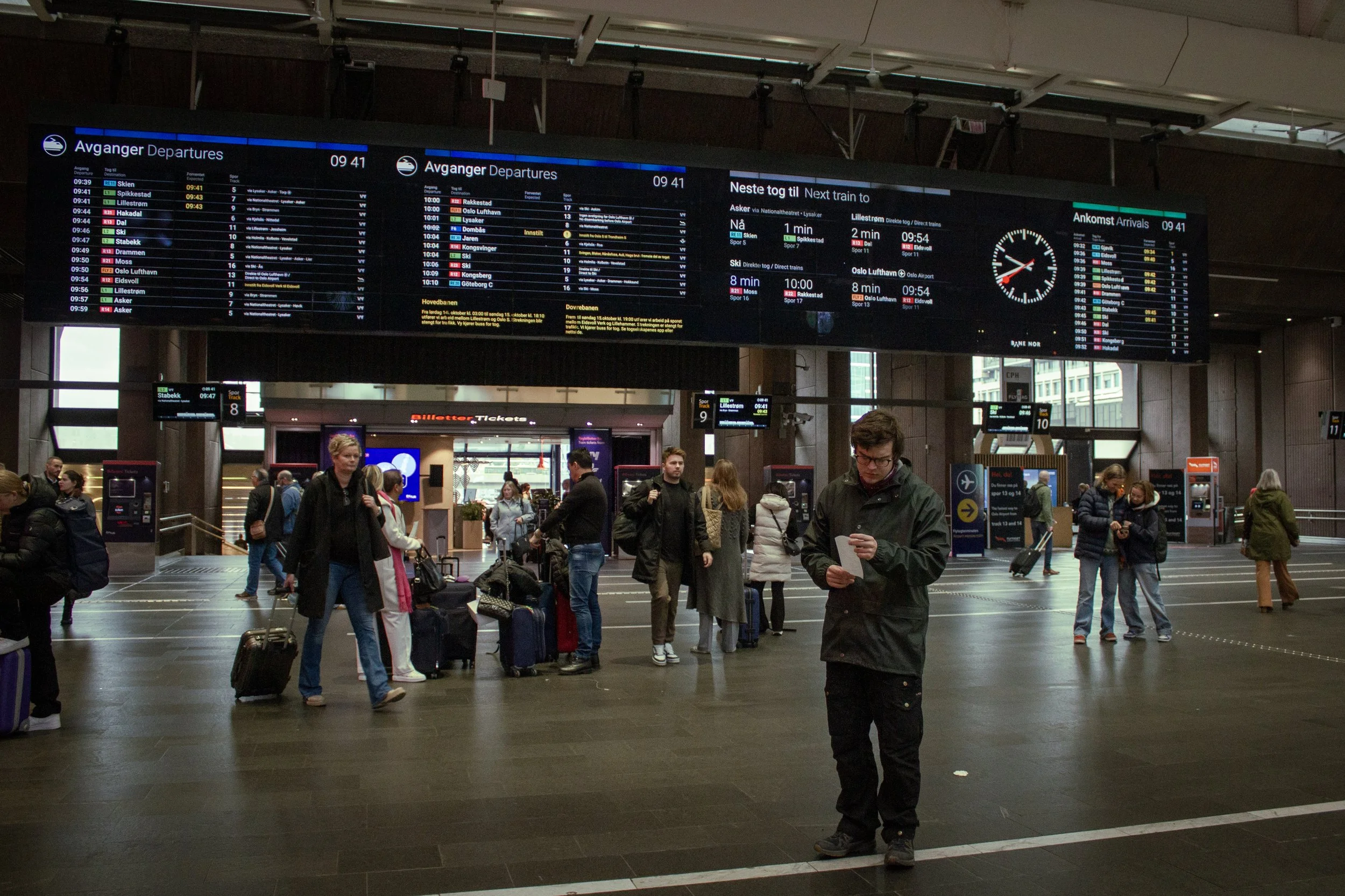
The trip started at Ås station. The train to the big city, or der Groβstadt as the Germans call it, was three minutes and forty-three seconds delayed. Further, the train ride took another eighteen minutes and thirty-three seconds, until we arrived at Kristiania Central station. I do not know much about this place other than someone dying here in the nineties. More than that, I do not know, as I have never read the book.
The first challenge of the trip started here; the public transport system of Kristiania. For a farm boy who considers bus fiveone-zero to Ski as a main travel route, the Groβstadt network of buses, cabs and trams only seemed like an obstacle. My faithful companion Tord™ navigated the big city’s not-so-narrow streets with virtue and care so that we reached our destination.
We arrived at Blinder’n. I thought that those who went to Blinder’n were blind, however, that was clearly a misunderstanding. Blinder’n was as grey as I remembered it. When I, myself, went to the prestigious school Dokka High School, I actually visited Blinder’n. I remember the experience as grey, but otherwise nice. I had now returned to this place.
The buildings were of the sixties institutional building-style. There were so many bricks and I would not be surprised to observe a marmot if we looked long enough. It’s the squares and rectangles that govern this location. This gives a good structure of the area, even if it looks a bit like a movie about Poland during the thirties. The lab facilities are supposed to be particularly good, however, we did not get to experience it ourselves, as we did not think about arranging entry to the labs in advance.
The people at Blinder’n seemed relatively harmless, but as an outsider one gets the impression that the majority of the students feel culturally superior. The student masses are very well dressed, and remind me a bit of the students at HH (School of Economics and Business) here in Ås. This is probably because the majority comes from a socioeconomic class where their mum and dad can afford to pay the rent. I do not know how they otherwise could afford living in Kristiania. That is also probably why everything is grey there, as they cannot afford colours.
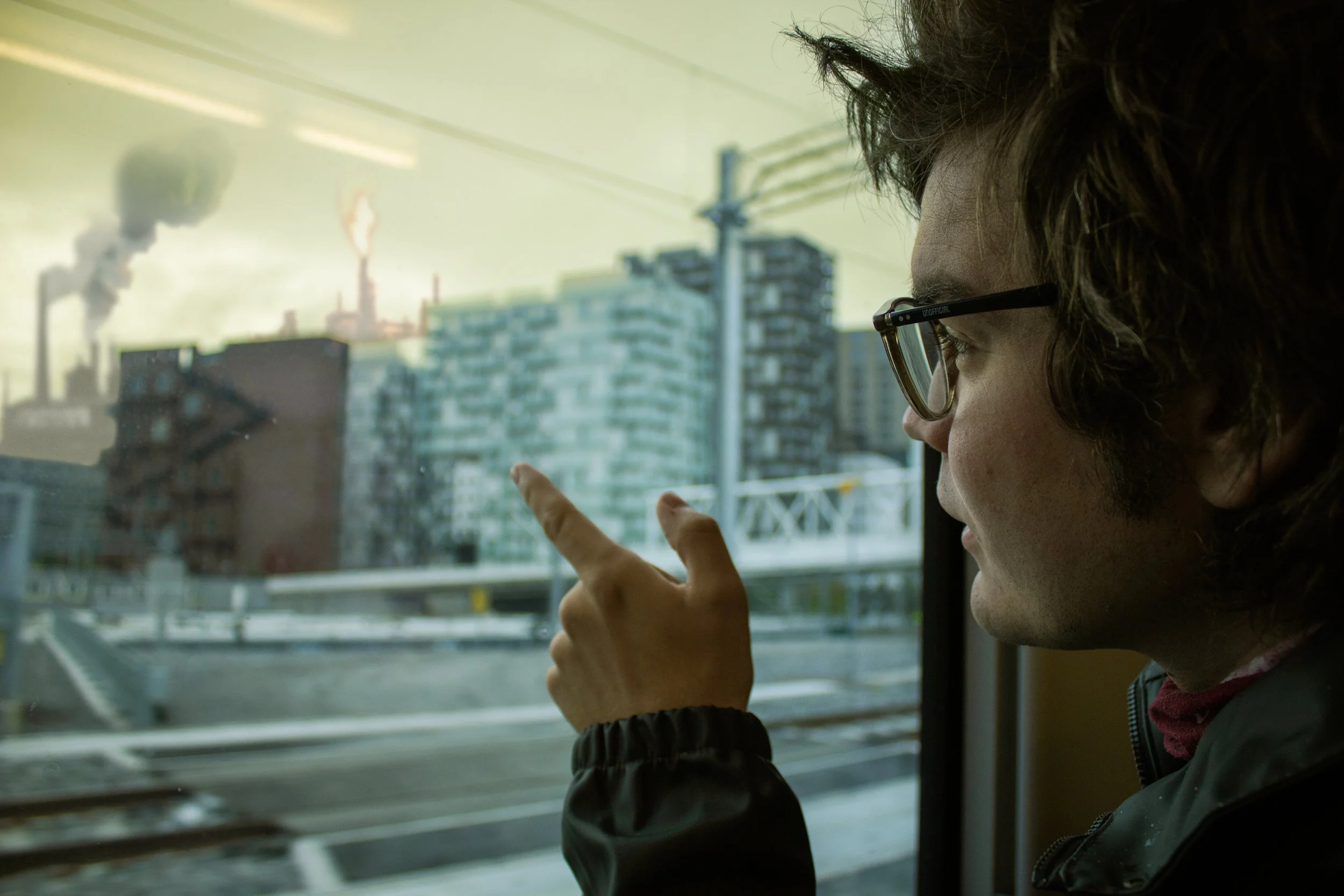

But enough about capitalism, life inside the campus itself seems good. The asbestos is barely noticeable, an impressive feat for a building of its age! Nevertheless, it was somewhat sad for an environmental chemist, who has learnt that Kristiania is Norway’s ‘hotspot’ for heavy metals, microplastics and various unknown toxins.
We also met the completely random Blinder’n student Benjamin Faulkner, who studies cultural history at UiO (the University of Oslo). When we ask how it is to study in this area, he answers “It is pretty okay here”.
As part of the journey, we also visited our colleagues and occasionally sworn enemies Universitas (pronounced university-ass). Our counterparts here are paid employees, in comparison to us in Tuntreet who work for waffles and cheap beer. If they have the same level of alcohol consumption as their colleagues at Tuntreet was not brought up during the meeting. It was a lovely meeting - if it had taken place.
They never replied to our requests to visit. Neither were there anyone at the office when we were there. With full time employment, one would think that people would be in the office between eight and four on a workday. That was certainly not the case here. To see if there was anyone home, we tried to call six different editors in total. None of them picked up the phone. Apparently, it does so happen that Universitas falls asleep.
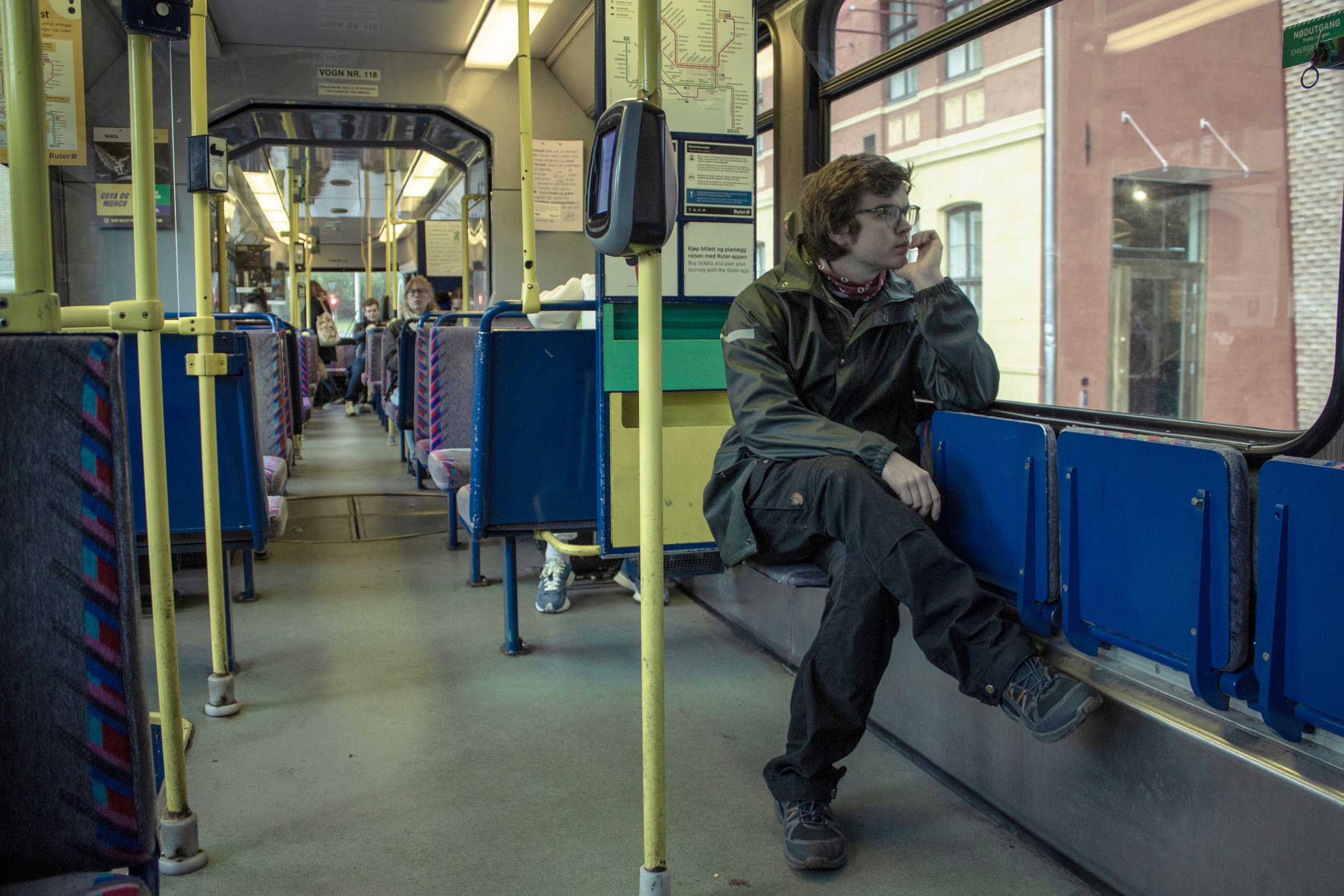
The editors probably had more important things to work with, like writing a review of the new Chardonnay at the Vinmonopol (liquor store) or do an in-depth interview with the jazz-playing, folk musician Per Bertrand Smøttebraathen from Northern Sothern Eastern Hallingdal , and his new record “Rock min verd, du kjære springar” (translated as Rock my world, you dear dancer). This is time consuming and important work, which demands a lot from an editorial office, and it is understandable that electronic mail from the countryside is not their first priority. Tuntréet still wishes to give web editor Anders a shoutout, who we had the most pleasant phone conversation with. Anders, you are the real O.G!
This concluded our visit to Kristiania. On our way home to our dear Ås, I started pondering. I sat and thought about this experience, about the greyness, the asbestos, and the culture clash. Regardless, I still have great respect for this place. What an aura of professionalism, stability, and importance, something that is missing at smaller institutions. Yet, I do not think I could have chosen UiO and their paved squares over my dear NMBU.
For this fantastic piece of deep dive journalism, I expect that my Pulitzer award will arrive via mail. My address is Yourmamaroad 69, 1932 Aas.