More Than Just “Bag?”
More Than Just “Bag?”
Ås may not be the center of the universe. With a town center the size of a backyard in Oslo, where the most exciting shop is a Norli on steroids, no one’s accusing it of being anything else either. But one thing Ås certainly isn’t lacking: grocery stores. Within a 500-meter radius of the train station, you’ll find two Rema 1000s, a Kiwi, and a Coop, and if you walk just a little further, even more pop up. Most people would think opening yet another grocery store in the center would be business suicide, but for Rabee Alojoom, it’s been anything but that.
Journalist: Isabelle Damhaug
Translator: Theodor Kalager
Fotograf: Nicolai Terland
Fotograf: Daniil Apruda

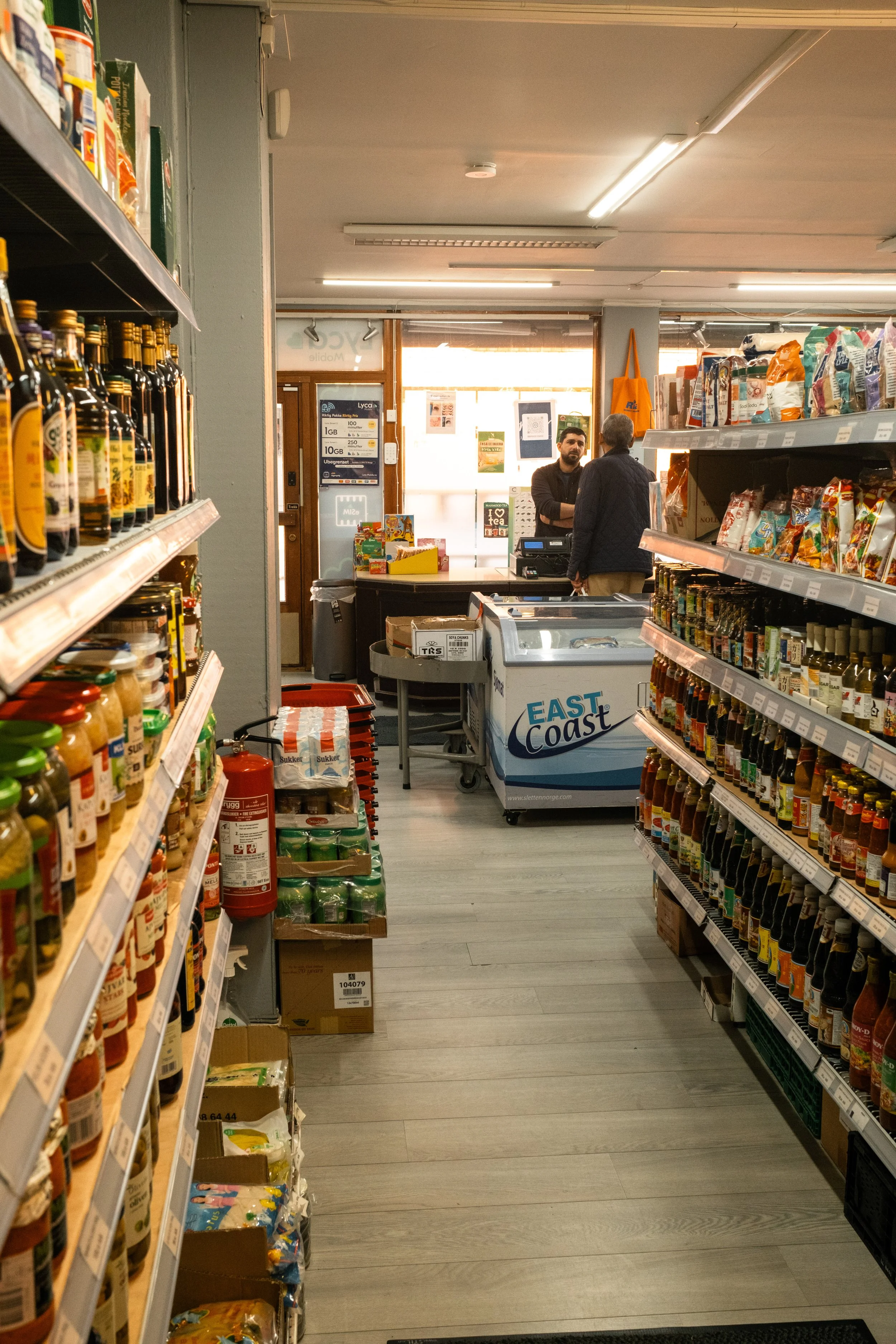
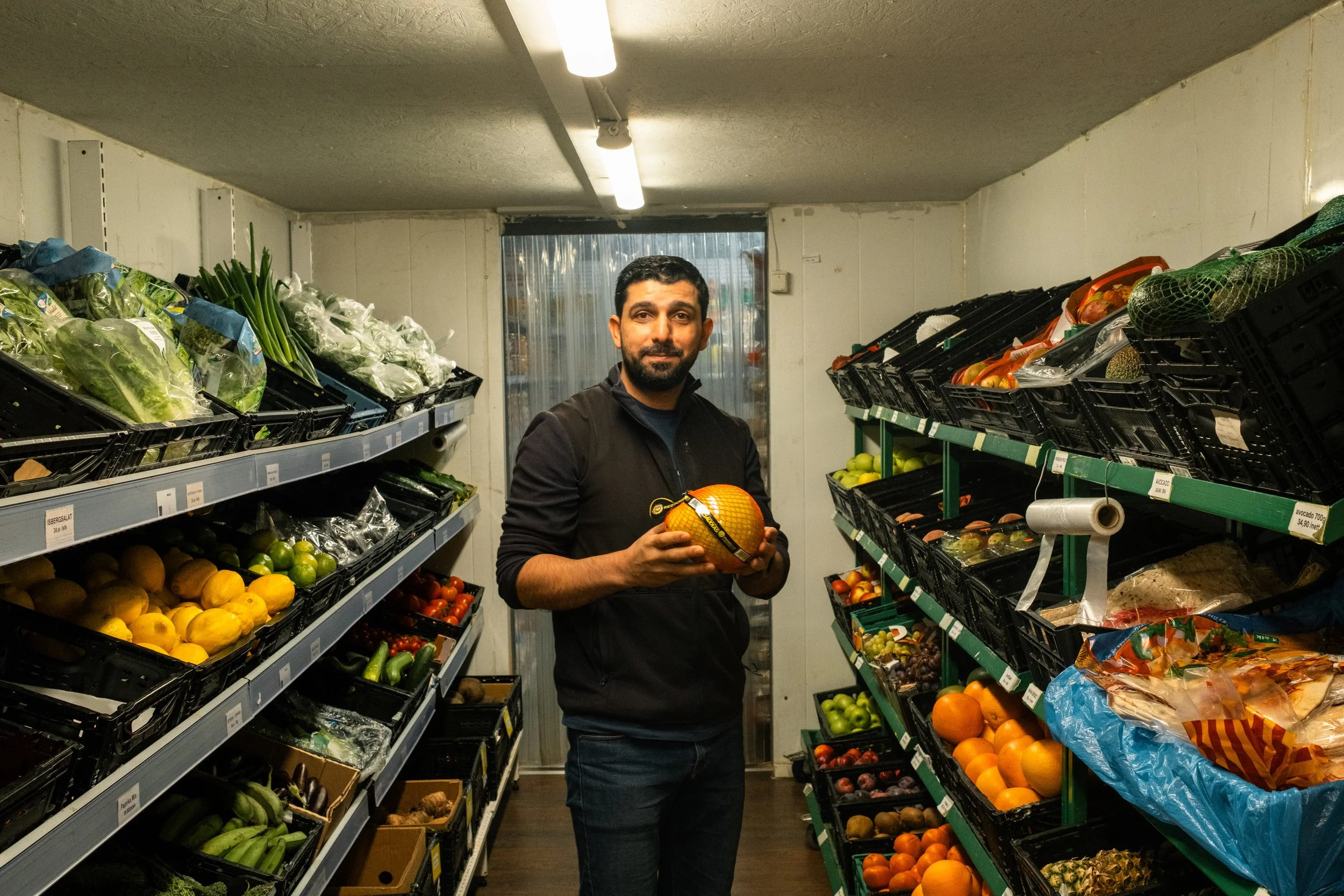
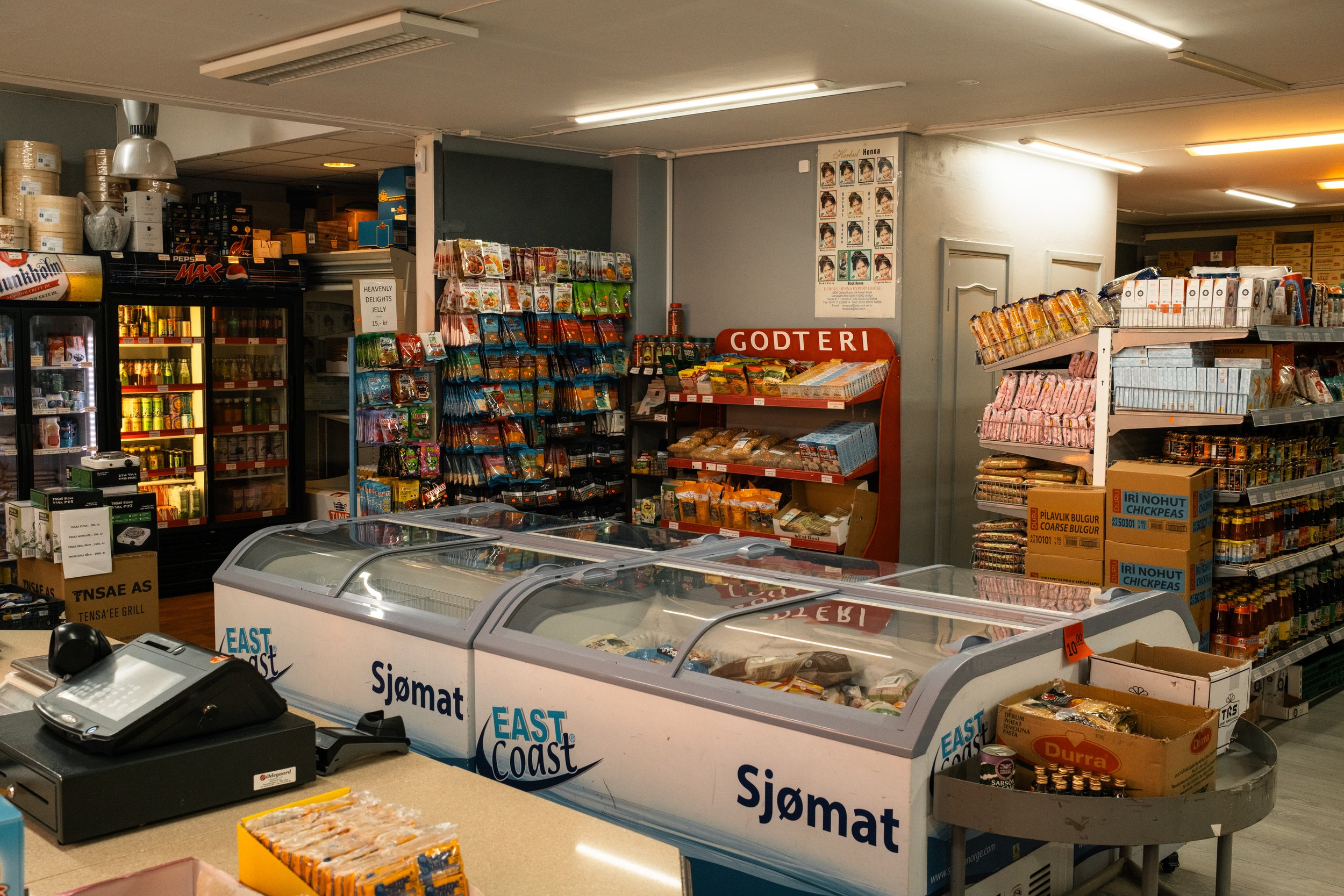
It’s 10 AM when I arrive at Asian Deli, a well-known and beloved spot for many students. Most of us have stopped by the charming little shop in search of cheap vegetables, instant ramen, or ingredients for the latest TikTok food trend. Among shelves packed with spices, sauces, and noodles from around the world, a man with a big smile appears. Rabee Alojoom, the mastermind and owner of Asian Deli, pulls out a chair for me and places it by the register. An interview with Tuntreet doesn’t stop the steady stream of customers. Even outside rush hour, people keep dropping in. “I’d guess we get around 200 to 250 customers a day,” Rabee says while helping a woman pack her groceries. “We’re a different kind of store than the Norwegian ones. We offer products they don’t have, so people come here even if they’ve just shopped at Kiwi.” As the name suggests, Asian Deli imports goods from over 20 countries. Among the top sellers are “exotic” items like dim sum, spring rolls, tofu, and kimchi. They also have an exciting selection of vegetables. “Many customers come in and don’t know what things are, maybe it’s a vegetable they’ve never heard of. Often they’re skeptical,” Rabee says. But he explains that usually, offering a sample is enough. Then they’ll come back again and again to buy the same item. For most students in Ås today, Asian Deli has always been where it is. But in fact, it’s only been six years since the store first opened its doors. So what made Rabee, a father of two from Palestine with a background in IT who commutes across the border from Sweden every day, start a store right here in Ås? Rabee shares that he previously worked in a similar store in Ski, and a regular customer there told him about the lack of such a grocery store in Ås, and suggested he open one himself. “I was very skeptical, and I even heard from a landlord that two stores had tried here before and had to shut down. But I wanted to do better than them.” And better he has done. The store, which in the beginning was just him, now has five permanent employees and a large, loyal customer base.
Still, there’s no doubt it’s tough competing with the grocery giants that dominate the market. Even though Asian Deli offers a different product range, they still feel the pressure. “We have many customers who come in and ask if we can sell typical Norwegian products, but we have no chance of matching the prices the chains offer. We also always avoid seasonal items, when Coop, for example, buys huge quantities of oranges and sells them for 10 kroner per kilo, it’s impossible to compete,” Rabee says. He also shares that the store is feeling the effects of today’s turbulent economy, and they often have no choice but to raise prices. “Many customers come in and complain that an item has gotten more expensive, but there’s nothing we can do about it.”
Customer Love
But aside from the occasional complainer, Rabee has almost exclusively positive things to say about those who visit his store. “The best part of running this place is all the different people I get to meet. In Norwegian stores, you just get a ‘hi’ and ‘bag?’, but here we always have a chat.” And to emphasize the point, my photographer arrives at the store, and Rabee lights up with a big smile right away: “Hey you, how’s it going?” and they chat for a bit. “Like him, I could tell you about his studies and the projects he’s worked on,” Rabee says when they’re done. “You get to know people.” And throughout the interview, I witness many such interactions: no one enters without being greeted with a smile, and no one leaves without one either. “It’s the people who make it worth it, and I want to thank everyone who comes here and shops. Especially you students, you bring so much life to the store and to the town in general!”
So next time you’re feeling a bit lonely, or grocery shopping for dinner feels like a chore, skip Rema 1000 and head to Asian Deli, where friendly conversation comes free with your groceries.