Boards, councils and committees at NMBU

Boards, councils and committees at NMBU
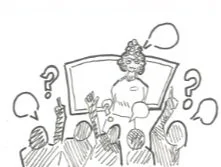
- What do they do really?
At NMBU, there are many different boards and councils. Some boards and councils are for students only, others include both students and employees. The boards and councils have different things they focus on, from overarching general decisions (University Board), to more concrete things like research (Research Committee). Here is a quick introduction to some of the boards and councils relevant to you as a student.
Potato: Helene Sylvarned
Photographer: Tord Kristian F. Andersen
Illustrator: Anna Bjørke
Translator: Eva Szemes
Web distributor: Martha Evensen
BOARDS AND COUNCILS FOR STUDENTS
The Student Board (AU):
The Student Board consists of three people working full-time on bringing up the voice of the students at NMBU, in the student welfare organisation and in the municipality. They are elected via ballots by the whole university in spring, and they are elected for a full university year (July-June).
The Student Parliament:
The Student Parliament is for all students at NMBU. Here, the elected representatives, a total of 25 people, meet three times per semester. Everyone can attend the meetings and voice their opinions, but only representatives elected at the General Assemblies can vote. The Student Parliament is the most important body of power to pass on the voice of the students at NMBU, but they also discuss matters handled nationally, in the municipality and with the student welfare organisation in Ås.

The General Assembly of the faculty:
Once per semester, the General Assemblies are organised. Each faculty has its own General Assembly, and here, you elect representatives for all boards and councils at the faculty. You also elect the Head of the Buddy Week, and the representatives for the Student Parliament.
The Student Councils:
There is a Student Council for every faculty. They consist of all class representatives, students otherwise engaged in the faculty, Student Parliament representatives and more. The Student Council is open to all students of a faculty. A Student Council is led by a Student Council leader and deputy leader. If you have a case concerning the faculty, for example about a course or something about the academic zones, you can bring it to your Student Council.
BOARDS AND COUNCILS FOR STUDENTS AND EMPLOYEES
The Research Committee:
The Research Committee is responsible for the cases concerning research. They should give advice and input to the University Board in all cases concerning research and research distribution. If you have questions about research or cases concerning research at NMBU, you can contact the student representatives in the Research Committee.

The Research Integrity Committee:
The Research Integrity Committee sounds almost the same as the Research Committee, but they are not the same. The Research Integrity Committee is responsible for providing advice and information about ethical issues concerning administration, education and finally, research.
The Faculty Board:
Each faculty has its own board. These make economical and strategical decisions at the faculty. In the Faculty Board, there are academics, external board members and student representatives.
The University Board:
The University Board is the uppermost decision-making body at NMBU. They make strategic decisions (like what NMBU will be doing), economic decisions, and decisions concerning reporting and organisational development. The University Board consists of one external board leader, internal and external board members, and two student representatives.
The Learning Environment Committee (LMU):
The learning environment is the working environment of students, and just like employees have a Working Environment Committee, we have a Learning Environment Committee. It consists of four students and four employees. They are mainly an advisory committee focusing on the learning environment on campus, but at NMBU, they also have some money they decide how to use. In previous years, this money has been spent on better ventilation, outdoor furniture and outdoor Wi-Fi.
You can read an interview with LMU later in this article.
The Education Committee:
The Education Committee is responsible for the cases concerning education. They give advice and input to the University Board and the headmaster in all cases concerning education, such as admission, studies and exams. If you have questions or issues concerning your field of study, you can contact the student representatives in the Education Committee.
Students and the welfare organisation
The Board of SiÅs:
The Board of SiÅs is the top board in the student welfare organisation. They are there to make sure that the welfare organisation preforms its most important task: ensuring good welfare services for the students of Ås. The board consists mostly of students, but there are also members from SiÅs, NMBU and external members.
Facts:
Have you ever wondered whether gender discrimination is happening when we are electing representatives for the University Board and the faculty boards? If you have paid attention for a bit, you might have noticed that each semester, you only elect representatives of one gender. That is because next semester, representatives of the other gender will be elected. This way, you keep the gender balance, but you also always have one representative who is familiar with the work.
Interview about the Learning Environment Committee (LMU):
When the journalist was deciding who should be the interviewee, she did a lot of thinking. Who could it be? Who would be fit to answer any and every question she might have aboutn LMU? The journalist concluded it had to be herself, having experience from multiple boards and committees, and having seen the power of influence.
TT: What’s the best part of being on the board of the Learning Environment Committee?
Sylvarnes: The best part of being part of boards and councils is that you have a real possibility to influence things. In LMU you work with the Director of Studies*, and the Vice-rector for Education**. This means you are in direct contact with the people who can contribute towards solving issues concerning the learning environment, for example better facilitation of education.
There are multiple students in the Learning Enivronment Committee. That means you get many different viewpoints, and this can contribute to the employees having a better understanding of the learning environment.
TT: Whats the most biggest challenge with being a member of a committee or a council like LMU?
Sylvarnes: Being a member of a committee or a council is not very challenging. You have to read the agenda for the meetings, but you often have a pre-meeting with the other representatives, so that you can prepare together. This ensures that you are well-prepared and ready to plead the students’ case.
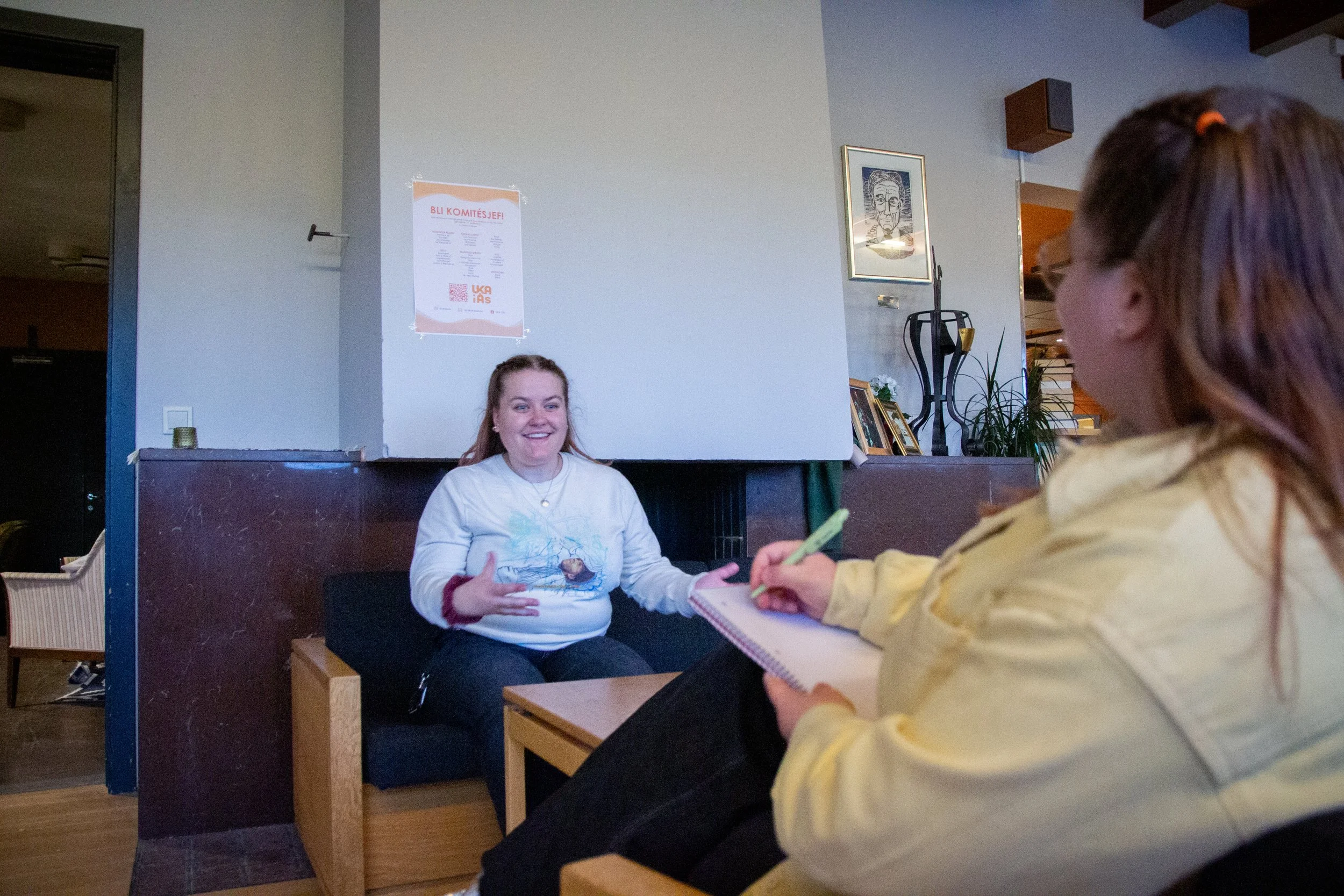
In councils and committees, we all want the same thing: what's best for the university. Sometimes you have different methods to achieve this, but everyone is always open to suggestions so that you can gather all the different views you need to make the best decision possible.
TT: Can you really do something in these councils and committees?
Sylvarnes: Yes, absolutely. Through LMU we have gotten (among other things) outdoor Wi-Fi and better ventilation in the Tower Building. As students, you also have first-hand experience in the most important thing at NMBU - education. Therefore, the students’ voice will be important, and you have real possibilities to influence things.
What’s also nice is that all students are eligible to join the councils and committees. Just check the calendar of the Student Parliament and go to the meetings where elections are held.
TT: What to do if you have a case you want to bring to a council or committee?
Sylvarnes: If you have a case you would like to take up with a council or committee, it’s smart to find out whether it should be done centrally or at the faculty. If it’s at the faculty, you can take the matter up with the Leader of the Student Council, or if you know exactly which council to contact, you can contact a student representative.
If it’s central, you might want to start with contacting the Student Board (AU). The Student Board is also represented in many boards and councils, and they will be able to bring your case forward.
*The Director of Studies is the Head of the Department of Academic Affairs. This department handles the planning of schedules, exams, admissions and exchange, among other things.
**The Vice-rector for Education is the rector’s (headmaster’s) right-hand man.