What’s Going on at Campus East?

What’s Going on at Campus East?
TF, Sørhellinga, NIBIO, Bedehuset, IVARinn, the student dorms in Kajavegen and everyone’s dear shortcut across the lawn. All this is located in the area called Campus East. What’s going to happen to the whopping 200 000 m2 big area stretching from Kirkeveien to Samfunnsveien one way across, and Drøbakveien to Utveien the other way across? Will there be a hotel? What about a new grocery store or more student housing? EIA, the real estate department at NMBU, have now started an opportunity study to see how this area can be developed.
Journalist: Ingvild Lauvstad Sunde
Translator: Sofie Palmstrøm
Photographer: Tuva Hebnes
Illustrator: Anne Trætteberg Reitan
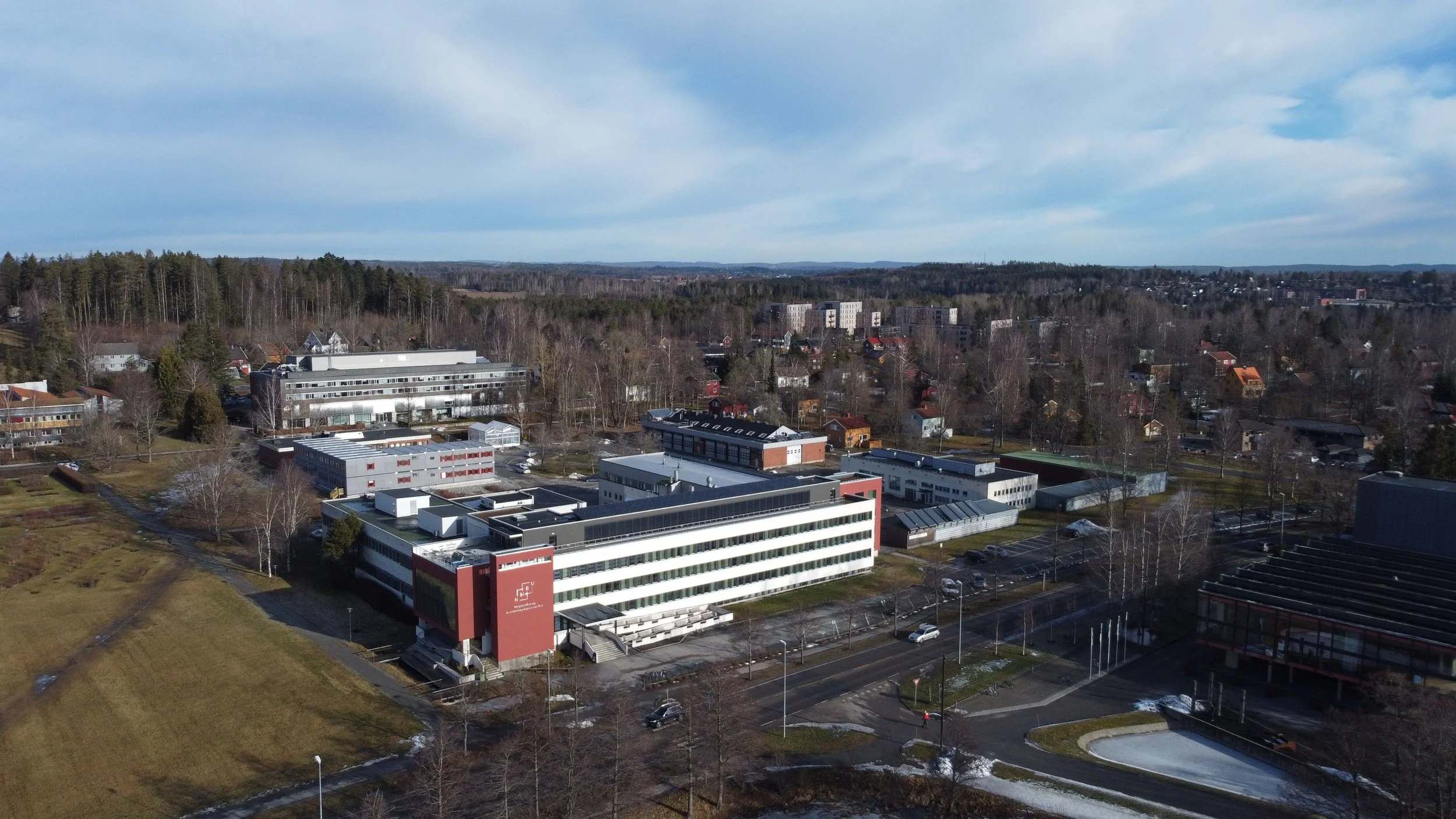
Photo: UrbanLab
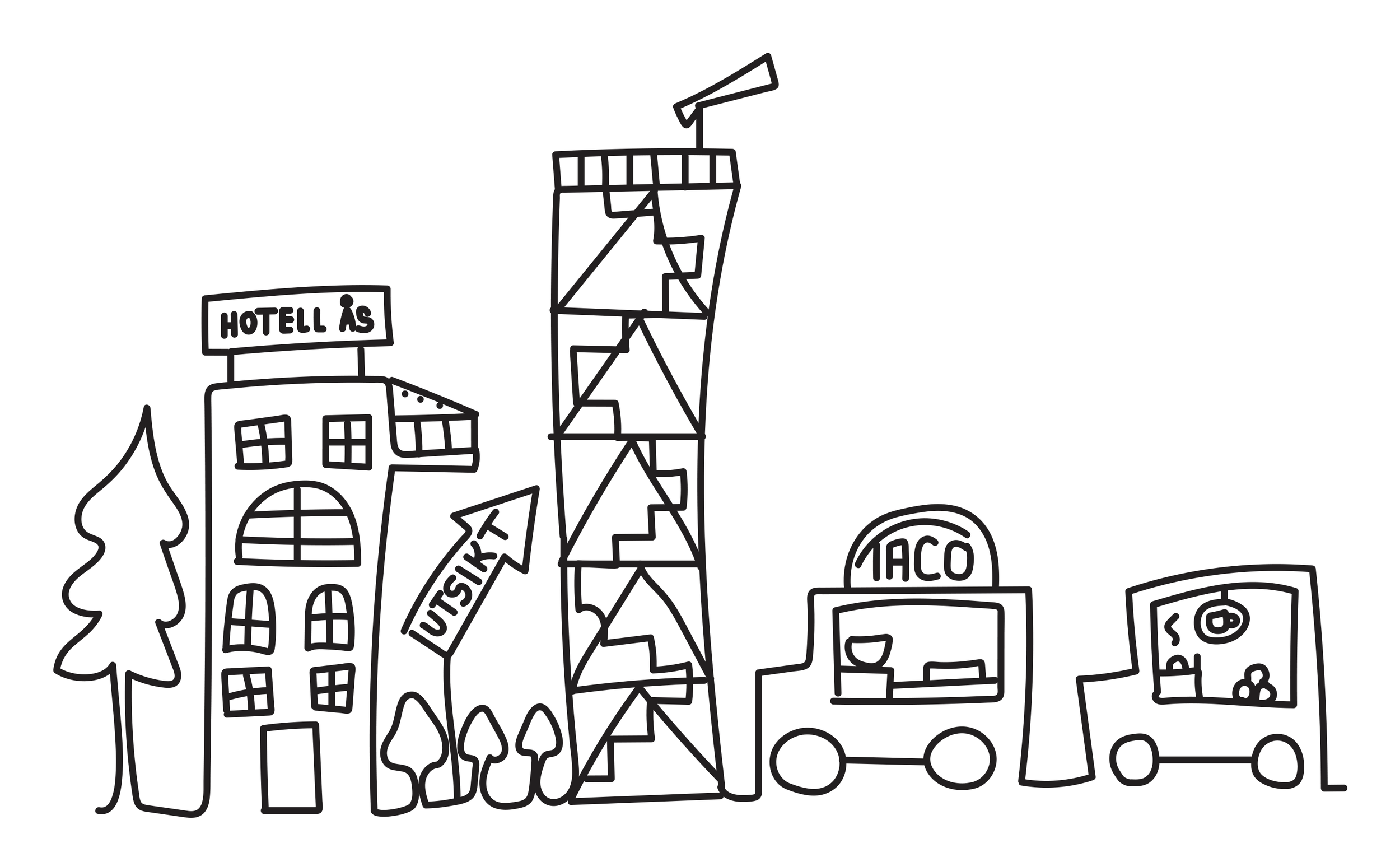
Illustration: Anne Trætteberg Reitan
Campus East – a large area with large potential
“The size of the area actually corresponds to all of today’s NMBU – including the Veterinary Building. It’s even bigger than Barcode in Oslo!”, says an enthusiastic Kristoffer Pinheiro and Helge Mathisen from Urban Lab. “It is therefore a doubling of NMBU’s building area which is “at stake” in this project”, Kristoffer concludes further into the conversation with Tuntreet. The feasibility study is a phase of the project around Campus East run by the real estate department, with project leader and head architect Kristin Kreul at the front. Urban Lab has people with expertise in feasibility studies, and the idea workshop is bought by EIA to implement contribution activities related to the project.
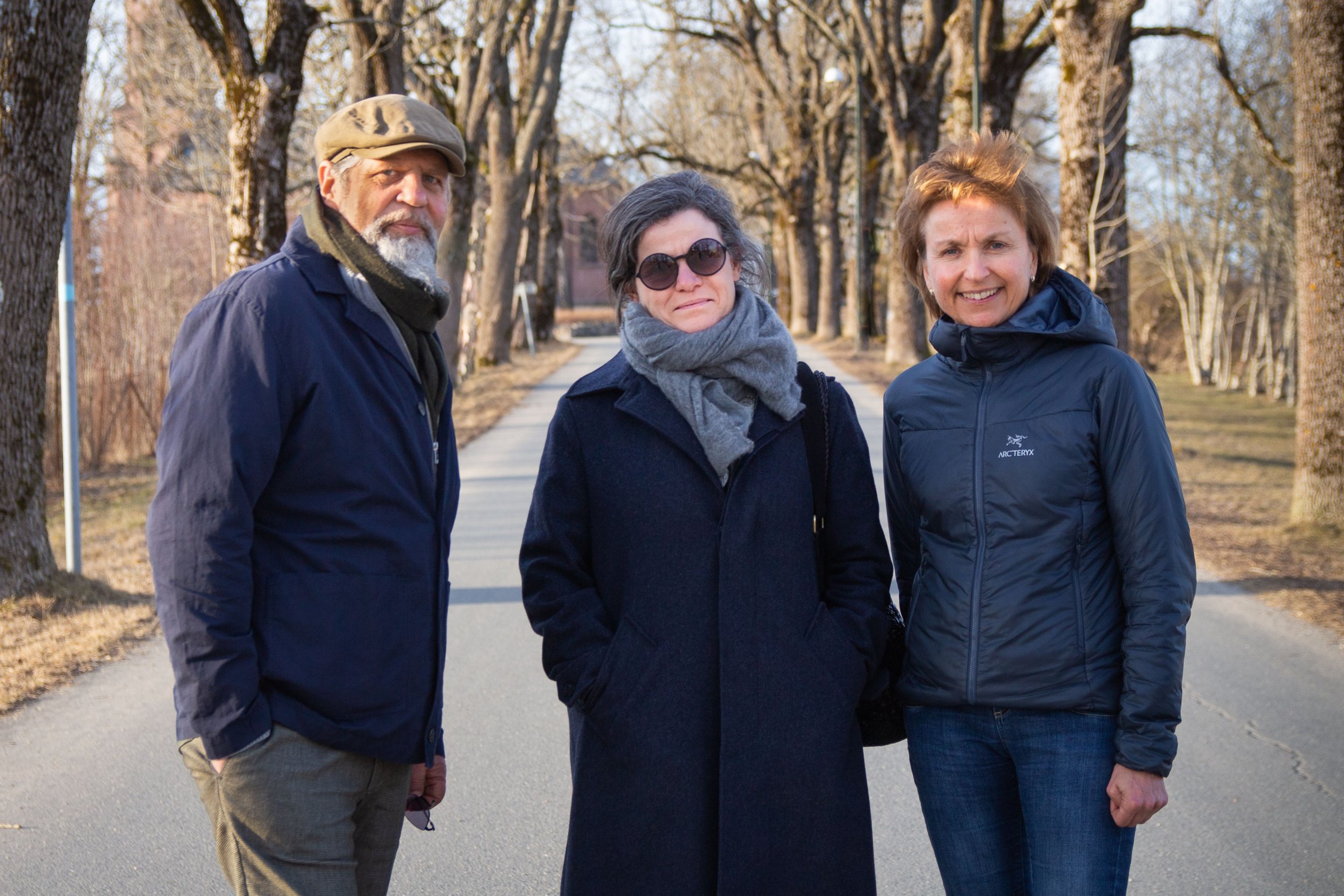
F.l. Terje Holsen, Kristin Kreul and Ellen Grepperud
Tuntreet also talked with EIA and Ås municipality. Kristin Kreul was there for the interview, but also former real estate director at NMBU, Terje Holsen, who back in the day set the premises for the work with Campus East. Ellen Grepperud represented the municipality, as their social development operations manager.
“We have, over a long period of time, looked into how it would be possible to tie Ås centrum and the campus together. The Campus East area is very central to this”, Ellen thinks, and Terje and Kristin completely agree on this being the intent of the project.
“The plans for the project were established around 2008-2010”, Terje tells. “However, there has not been a good development of the area these past few years”, he concludes. Kristin can state that the timeline of the project, and both various considerations, not to mention the pandemic, has postponed the feasibility study since 2018. In the end, it was initiated last spring and is set to finish around the start of the summer.
What about a hotel? The Rector’s opinion on Campus East!
There have already been many statements and wishes about the area. Something a lot of people have noticed is our own rector Curt Rice’s wish about a hotel. Curt comments:
“It worries me that on one side we have a world-leading research community in several fields of study, but that we don’t have a building for large conferences to convey our knowledge. Ås needs a hotel. This needs to be high up among the municipality’s priorities”.
In other words, it has not been decided that a hotel will be put on Campus East, but Curt thinks it’s good that the university kicks off the development project and is looking at the opportunity for a hotel here. He thinks that it’s an ideal area for a better connection between work, education and research.
“I also want food trucks! Varied and international food, early and later in the day! Food is culture and we often gather when we eat. Innovation happens just as often over a cup of coffee or a lunch plate as it does in a lab! The food options on campus are limited and we need to improve this”, he concludes.
Food trucks and hotel – How much can be decided now?
The rector is not alone in having many thoughts about Campus East. How early are we in the project and how much can be decided now? A feasibility study is not a binding plan, but rather an experiment to find out what is possible to do. This is the starting point of a project, to create interest around an area.
“The feasibility study is the starting point for the project, there are no blueprints or previous results. Further along the process, when decisions have been made, it’s often too late for inputs”, Kristoffer points out. He therefore highlights that it is important for the students to get involved!
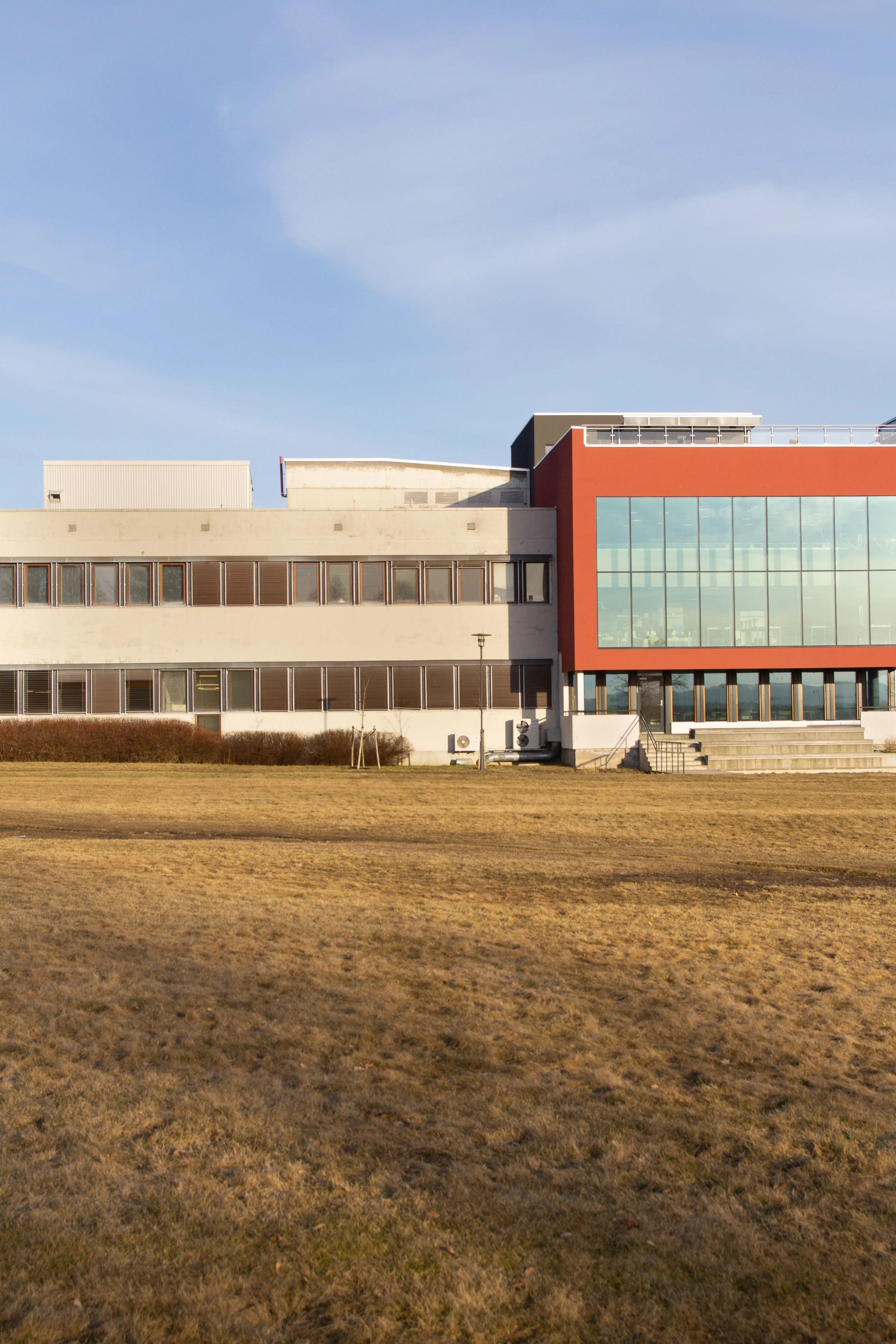
Photo: Tuva Hebnes
What the Dean thinks! What would you do if your faculty got 20 000m2 more space?
LANDSAM w/Eva Falleth: The faculty has a need for space, but on the central campus. For LANDSAM, Campus East is mostly of interest for external meeting and conference facilities with attractive outdoor areas for social and professional activities, as well as common areas for all of NMBU.
REALTEK w/Anne Cathrine Gjærde: Wants to build NMBU Skylab after a model from the Technical University of Denmark who describes it as “a living lab for innovation and entrepreneurship”. In short: a common space for students, researchers and employees to exchange knowledge and solutions for the future. (Source: DTU Skylab’s home pages).
KBM w/ Sigrid Gåseidnes: Agreeing with REALTEK – wants innovation areas where everyone can work together in solving the challenges of the future.
MINA w/Hans Fredrik Hoen: Want to co-locate the faculty, with a good and spacious cafeteria and social areas (7 – 10 000m2). After that, they want to build “The Agro Park” – a flexible demonstration lab of everything MINA and NMBU are working on (5000 m2). They would like the remaining area to be a common innovation centre for all of NMBU, as well as for external actors.
Curt Rice: I don’t want 20 000 new square meters in the shape of new buildings, but improved administration of the space we already have. NMBU has many under-utilized square meters. That is what I want to work on!
Feasibility Study – Too early to let the students’ voice be heard?
But is there really any point in giving your opinion this early on in a project? Will it be heard? “Those who are going to develop the feasibility study is in fact obliged, according to the project’s call, to attend to the students’ opinions, and also show how this is attended to”, Kristoffer ensures us. “EIA is here going above and beyond the legally required demands for contributions”, he highlights.
TF and Sørhellinga are among the university buildings located at Campus East. Even though what is going on at Campus East will affect all the students, it is especially REALTEK and MINA who will notice the future construction taking place “right outside their own house”. Helge highlights that Urban lab wants participants from all the faculties, and that the event is a real opportunity to state your opinion early on.
“All students, unions and organizations can be counted as an individual participant. It’s a good thing that Samfunnet is also included in the project, because they are the closest neighbour to the area”, Kristoffer emphasizes.
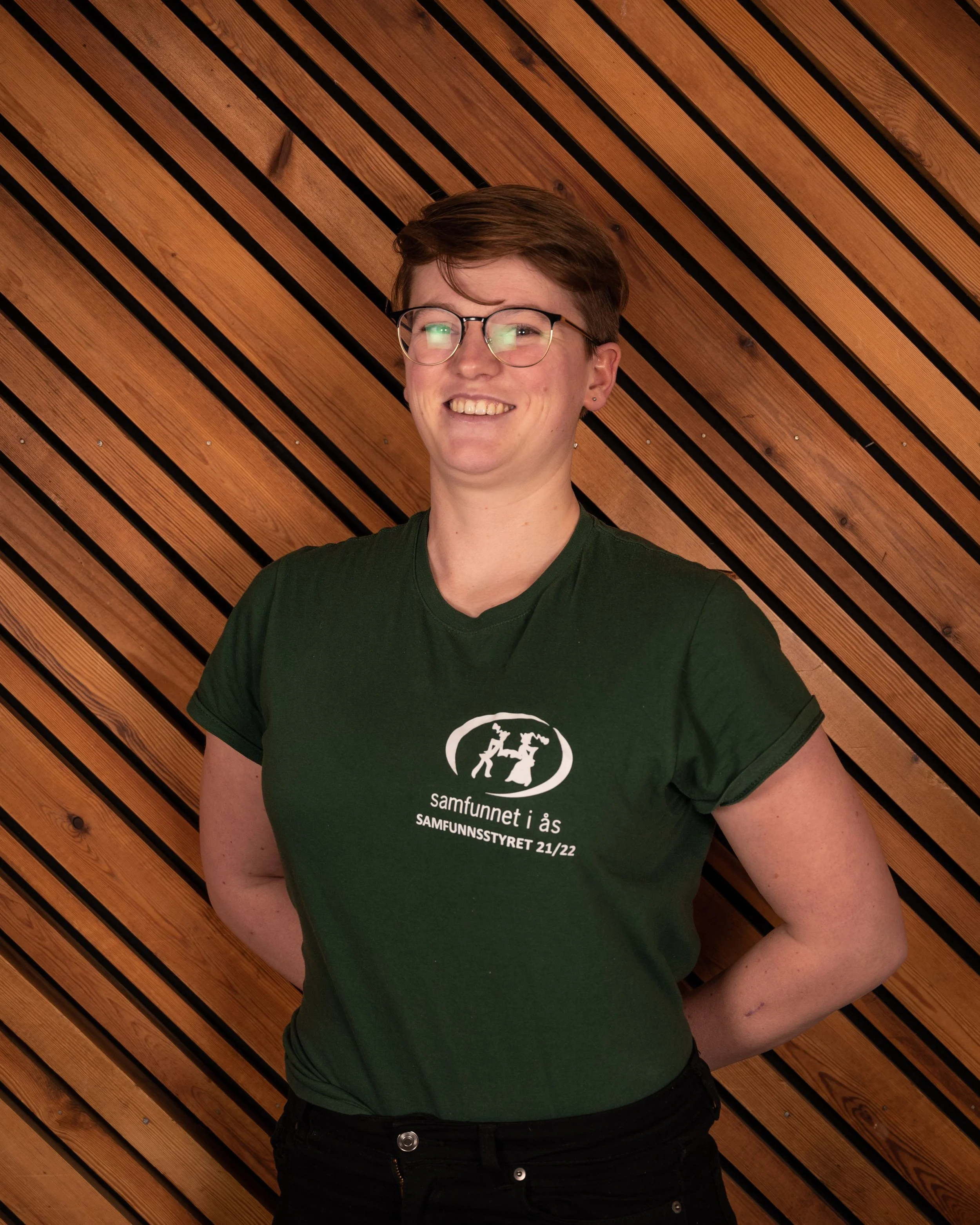
Hedda Mejlænder-Larsen, leader of Studentsamfunnet.
Tuntreet also had the chance to talk with Hedda Mejlænder-Larsen, leader of Studentsamfunnet. “Samfunnet’s building is located on Campus South – not Campus East”, she clarifies, but still highlights that the organization will definitely be affected by what’s going on across the street.
“Samfunnet’s building is too small for a growing student mass in Ås”, she states. With an expansion, a medium-sized concert hall, more bars, and a new social area, could be realized. “Samfunnet is dependent on being completely co-located to transport people and equipment.” Thus, Hedda doesn’t see an immediate possibility of expanding Samfunnet with a separate or connected building across the street.
“Samfunnet is happy to be included in the process, and we see the importance of continually promoting our interests as we are a neighbour of Campus East”, she concludes.
Ås as a 15-Minute Town
Terje, Kristin and Ellen also see the bigger picture and what role Campus East has in the general development in Ås.
“Campus East can be a real opportunity to get more business activity to Ås, and combined with getting more people to move here, this could contribute to making Ås a 15-minute-town over time”, Kristin means. “With the development of the Follo railroad, travel time to Oslo is reduced and then Ås can really become an attractive area to live in”, Ellen points out. She thinks that NMBU is “brave in terms of ambitions” and thinks this is very exciting.
How can you let your voice be heard?
Will there be a hotel and conference centre at Campus East? Are you worried about green areas being cut down or does the shortcut across the lawn have a special place in your heart? State your opinion! Feel free to write a letter to the editor to Tuntreet. Urban Lab round 4 will also be held on March 29th and April 2nd, 2022.