Follo walks
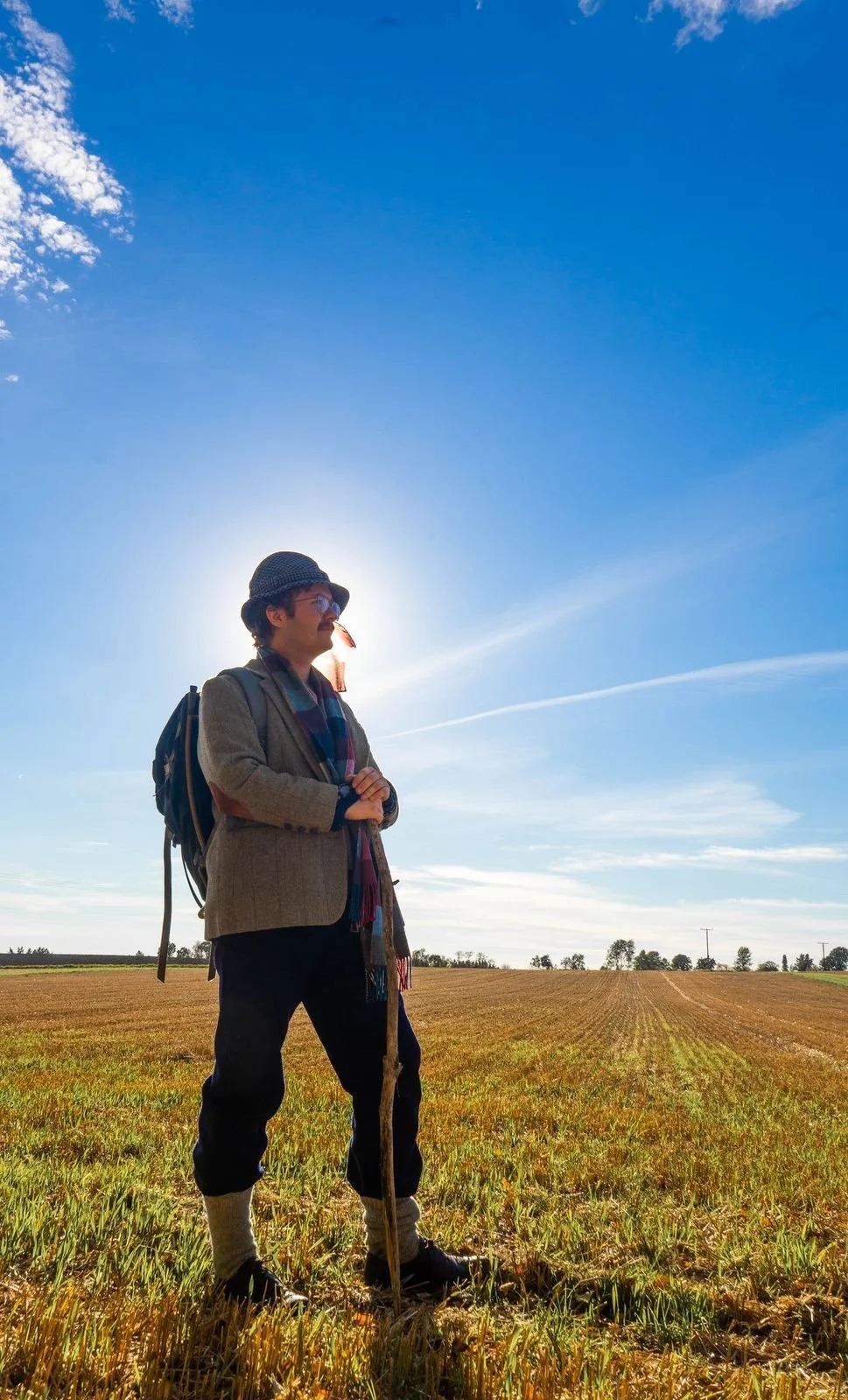
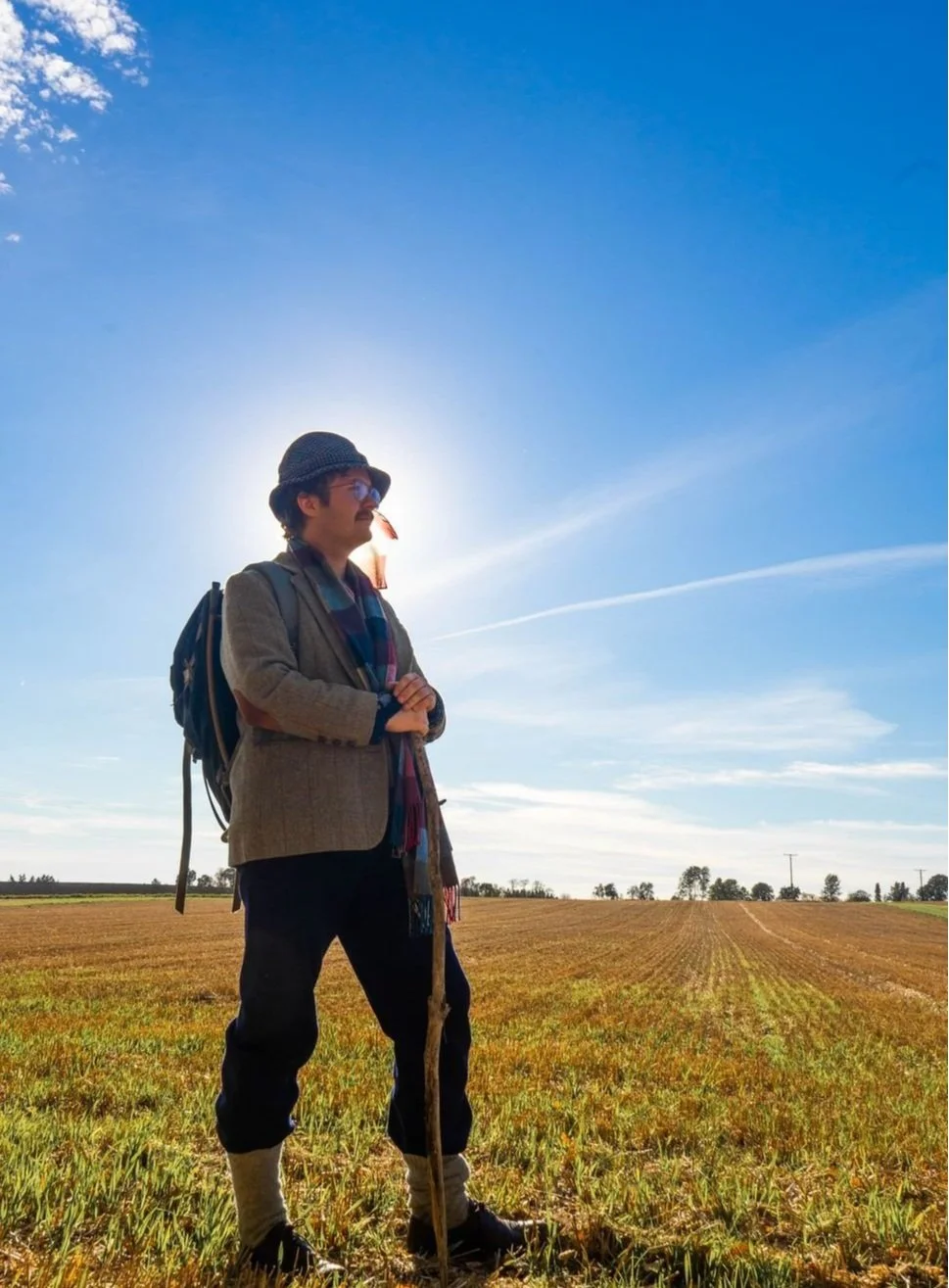
Follo walks
Journalist (and wanderer): Benjamin Alexander Faulkner
Photographer: Ylva Fridenberg
Autumn
Autumn is a majestic season. After a sweet summer, we’ve forgotten that we live in a rather cold country. It is refreshing for body and soul as the northern wind plows its way into your face as you crawl your way to the lectures. The leaves become red, and they dance a mazurka on their way down towards the earth. That which has grown and thrived since the spring, lays down to rest for the winter. And then there are the bouts of cold, flu and fever nights many of us have suffered since Buddy Week. Autumn is the season where we tuck ourselves in rugs and chug Earl Grey in bucketloads – and you are definitely not going out that door today. But are you struggling with school? Or a personal dilemma? Then the solution might actually be out there. Let me explain.
“The gentle wind, a sweet and passionate wooer,
Kisses the blushing leaf, and stirs up life
Within the solemn woods of ash deep-crimsoned,
And silver beech, and maple yellow-leaved,
Where Autumn, like a faint old man, sits down
By the wayside a-weary.
”
- from “Atumn” by Henry Wadswoth Longfellow
Brainwalks
You might have heard of the hypothesis “transient hypofrontality”. During physical activities, our brains become more concerned with coordinating body movements. As a consequence, the prefrontal cortex – the planning and focusing part of the brain – becomes less active. The filter which shuts out many of our unconscious thoughts and ideas is weakened. We then experience more creative thoughts and solutions! Thinkers like Charles Darwin and Ludwig Wittgenstein have told us that walks were the most important intellectual tools in their careers. The poet, Wallace Stevens, wonders: “perhaps the truth depends on a walk around a lake”. Consider that the next time you bash your head into an essay which is going nowhere. Want to go out, but don’t know where? This might help you!
A buffet of experiences
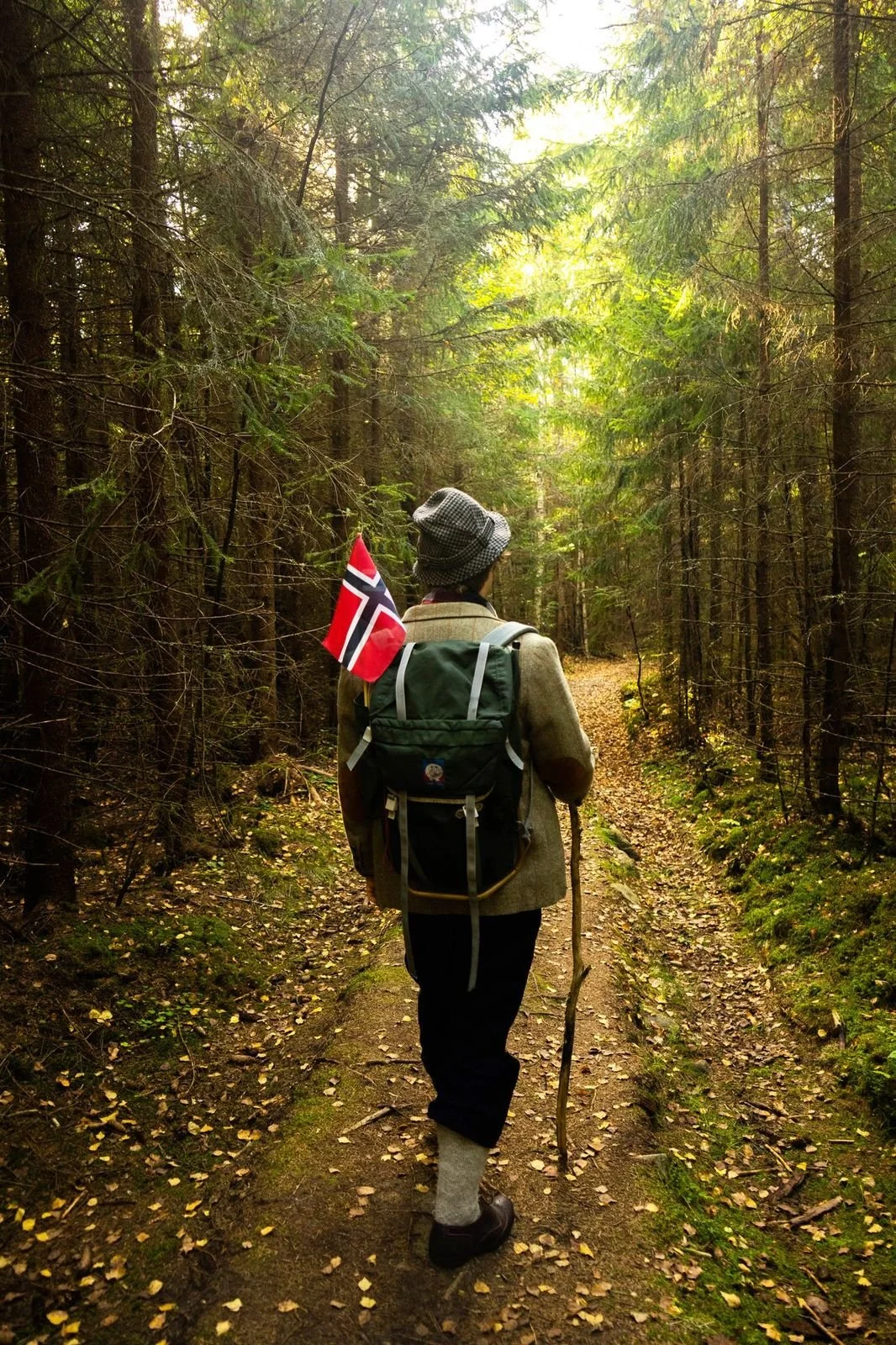
Here at Ås, we’re sitting in the middle of an extraordinary region of Norway. Secret gardens, murky forests, glittering lakes and long country roads. Som students have attended Ås for five whole years without taking a single step inside Vollskogen, also known as Pentagonskogen. This is a quirky little forest which is condemned for the purpose of building single-family homes. Don’t be afraid of treading off the path. Suddenly you might find a little place only you know about. Or not!
Around Ås
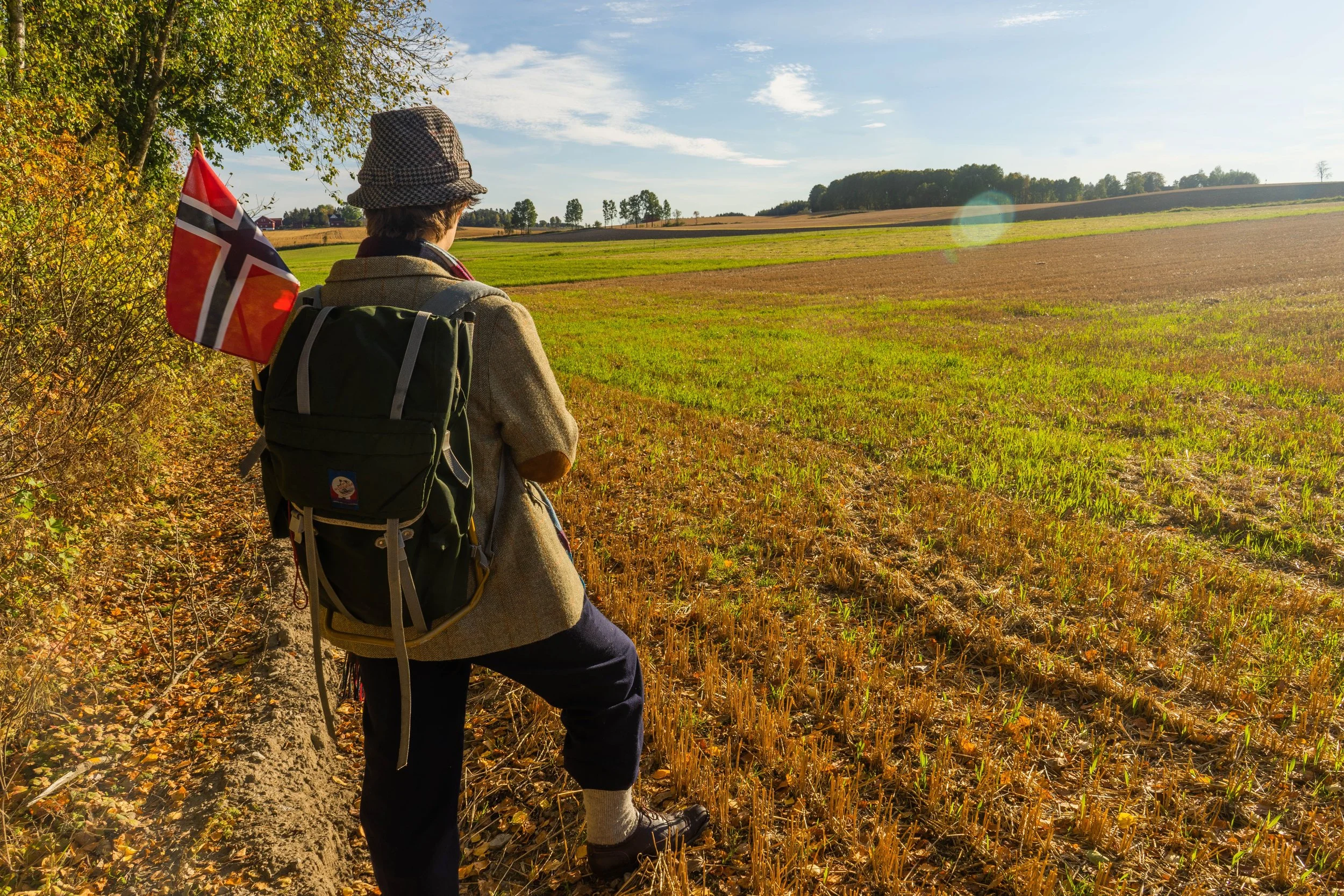
Take a walk to Vardåsen, a forest hill south of Ås sentrum, and see the views over the fields of Børsum, Hogstvet and Tveter. Maybe you will stumble upon the remains of the stone fort, where prehistoric natives of Ås found sanctuary if enemies invaded. You may also walk north from the center, straight into Åsmåsan. Fun fact: the university has extracted peat here for heating for over a hundred years, stopping in the 1950s. Here you will find holloways, paths which have sunk over long periods of time. Continuing into the Åsmåsan, you’ll find a path leading you towards Østby and its broad rural landscapes, with the neo-gothic Ås church in the distance.
The long lake
Heading past Ås gård, you’ll find Årungen. This was once part of the Oslo fjord, but the land rose and it became its own little lake. Excessive fertilization and experimentation have created a unique ecosystem and species which have evolved in the lake. Bathing is not recommended, unless you want to use a kilogram of soap and a whole tank of hot water. When the ice is thick enough, the whole population of Ås comes here to skate!
Towards the fjord
If you are feeling exceptionally fit, take your bike on the road towards Drøbak. Many students bathe here during the summer – but if you are fitter than fit – you can take a bath whenever you want. If you take the left to Klommestein, and left at Grønberg, you’ll arrive at Ramme Gård. Here lies a secret little garden, run by the shipping magnate Petter Olsen. He has spent years collecting art objects and sculptures, which now sit in flower beds and hedges. Here you can also see concerts. From Ramme gård, you’ll find the cultural path: “In Munch’s footsteps”, heading down to Edvard Munch’s country residence by the fjord. Here he sat and worked on his most monumental works.
Cross-country
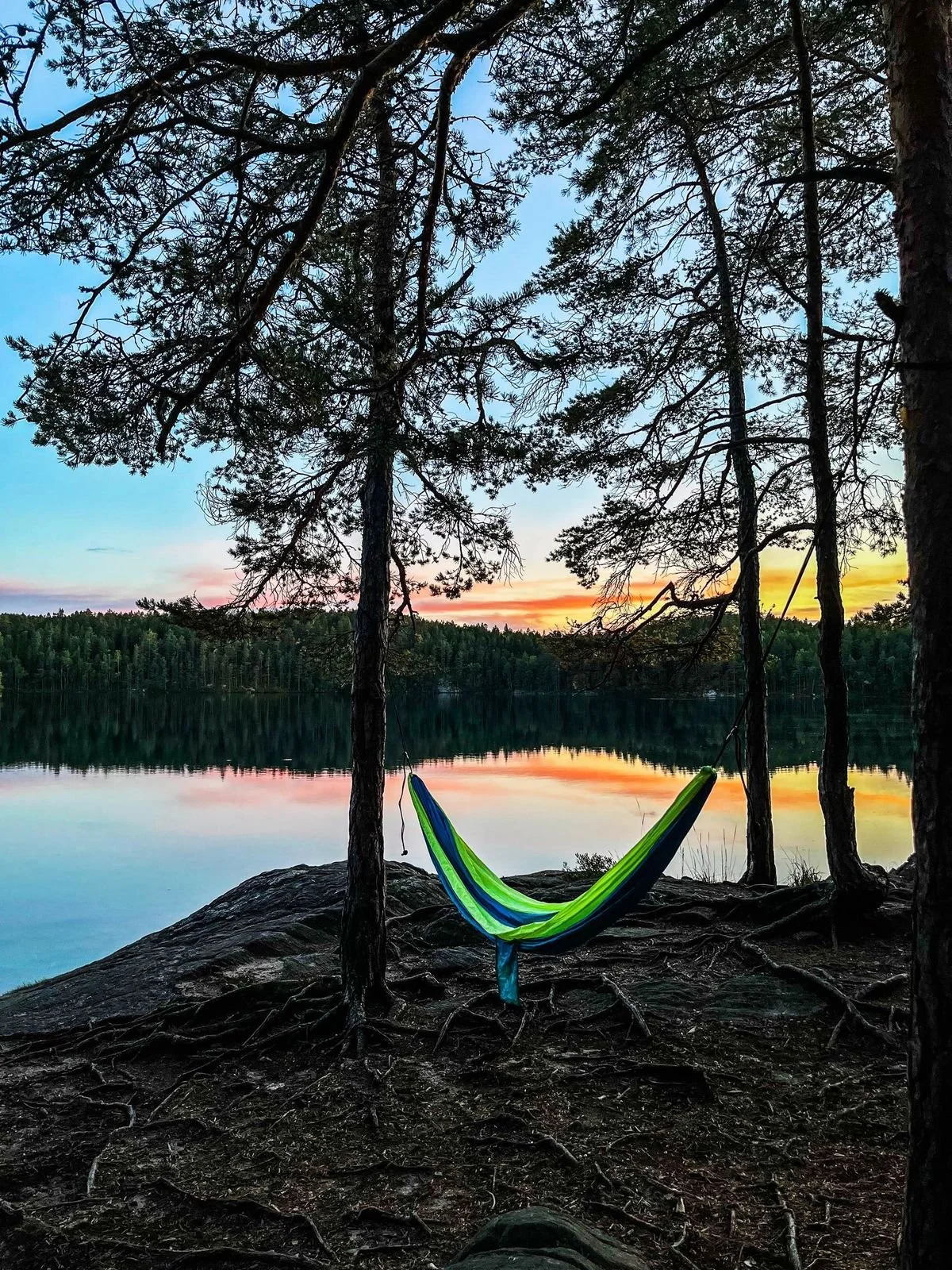
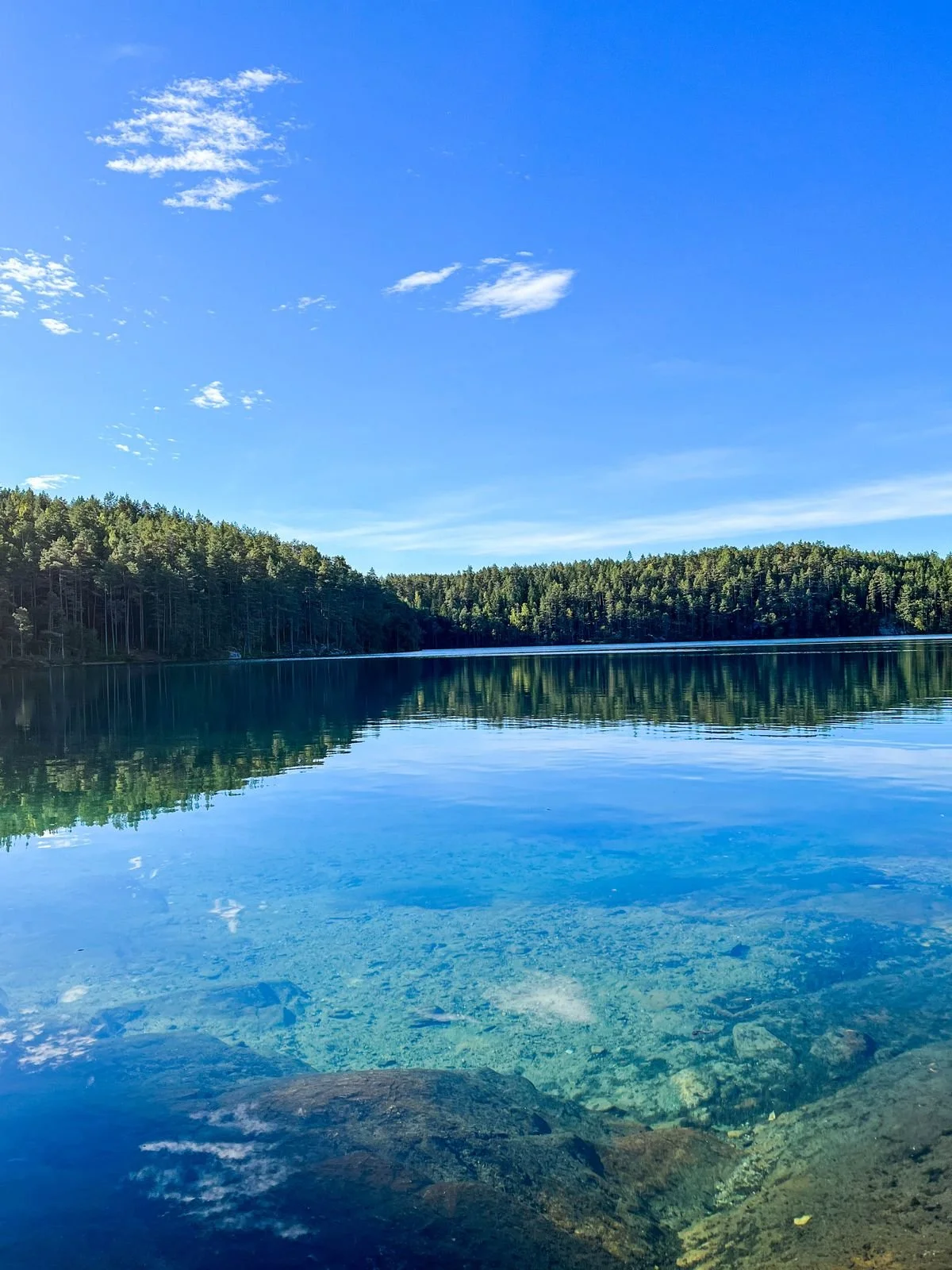
If you don’t find a few hours in nature long enough and feel a calling to wear thirty kilos on your back, there are deep forests to explore! Take a car to Klaretjern, a lake east of Halden. And take your diving goggles, for the water is clearer than most lakes! Enormous amounts of aluminium in the lake have reduced the pH-value so much that it is impossible for life to thrive there. Spend a night in a hammock, or venture further into the forest.
Be curious
This was just a little pointer at a sea of possibilities. The small moments and places are all just waiting to be explored. Instead of sitting in on a Sunday, take your trainers and just -walk-. It is amazing how much you can experience, and perhaps you will get a hint of the feeling of getting lost. Sometimes the world is so small, and getting lost might could be a nice little antidote. The world suddenly gets a lot bigger – even a small place like Ås.